British government rebukes cash incentives issued by Hong Kong authorities for information leading to the arrest of pro-democracy activists abroad
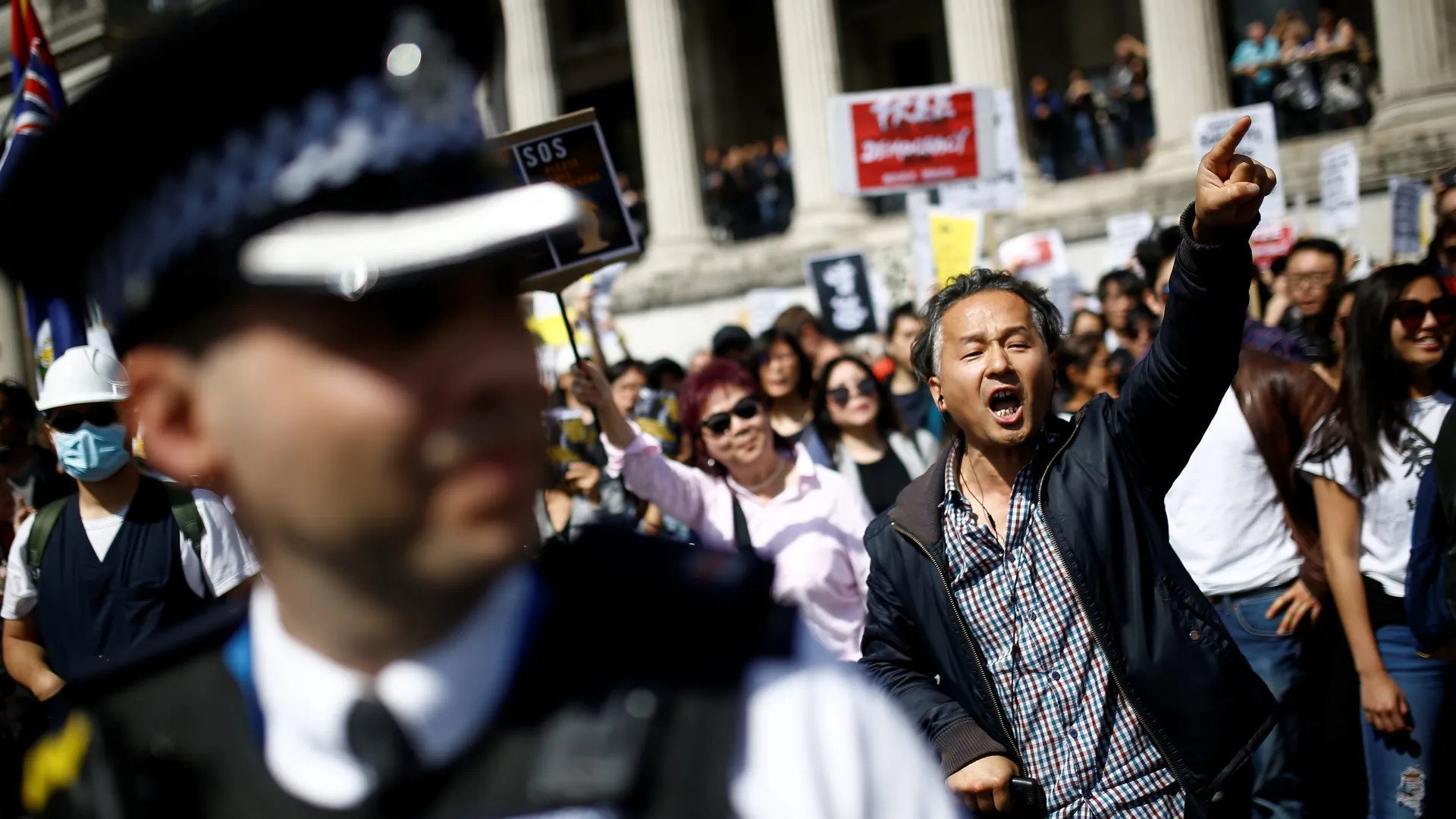
The United Kingdom government has issued a forceful condemnation of recent cash rewards offered by Hong Kong authorities for information that could lead to the arrest of pro-democracy activists residing overseas, framing the initiative as an alarming example of transnational repression and a threat to fundamental freedoms.
British Foreign Secretary David Lammy and Home Secretary Yvette Cooper released a joint statement decrying the financial incentives announced by the Hong Kong Police Force, which range from approximately twenty-five thousand to one hundred and twenty-five thousand U.S. dollars depending on the individual sought.
The authorities in the semi-autonomous city issued warrants for nineteen activists, accusing them of violating a stringent national security law imposed by Beijing in 2020, and have publicly offered rewards for tips that would aid in their apprehension.
The UK officials characterised the move as an attempt to target opposition voices on British soil and urged both Hong Kong and Chinese authorities to cease actions against individuals legally residing in the United Kingdom.
The British statement reaffirmed the UK government’s commitment to uphold the rights, freedoms and safety of those from Hong Kong who have settled in Britain, including under the special visa scheme introduced in 2021 that has seen around one hundred and fifty thousand residents relocate to the UK. Lammy and Cooper’s remarks underscored concern that such bounties set an unwelcome precedent by encouraging activity within the UK that could endanger individuals and erode legal protections.
The announcement came amid broader diplomatic tensions over civil liberties in Hong Kong, particularly in light of the national security law and its extraterritorial reach as asserted by Hong Kong authorities.
London’s response emphasised that it remains resolute in defending democratic principles and in safeguarding dissidents who have established new lives abroad.
Critics of the national security law maintain that the broad scope of its provisions has been used to suppress dissent and curtail freedoms that were promised under the “one country, two systems” framework following Hong Kong’s 1997 handover.
The UK government’s denunciation of the reward offers reflects mounting international unease about the security law’s application beyond Hong Kong’s borders, with Western governments repeatedly accusing Beijing and Hong Kong authorities of undermining the city’s autonomy and legal protections.
British ministers articulated that support for Hong Kong residents in the UK extends to protecting their civil liberties and resisting efforts that, in their view, jeopardise those rights.
Hong Kong and Chinese officials have defended the national security measures as necessary for stability and have labelled foreign criticism as interference in internal affairs.
British Foreign Secretary David Lammy and Home Secretary Yvette Cooper released a joint statement decrying the financial incentives announced by the Hong Kong Police Force, which range from approximately twenty-five thousand to one hundred and twenty-five thousand U.S. dollars depending on the individual sought.
The authorities in the semi-autonomous city issued warrants for nineteen activists, accusing them of violating a stringent national security law imposed by Beijing in 2020, and have publicly offered rewards for tips that would aid in their apprehension.
The UK officials characterised the move as an attempt to target opposition voices on British soil and urged both Hong Kong and Chinese authorities to cease actions against individuals legally residing in the United Kingdom.
The British statement reaffirmed the UK government’s commitment to uphold the rights, freedoms and safety of those from Hong Kong who have settled in Britain, including under the special visa scheme introduced in 2021 that has seen around one hundred and fifty thousand residents relocate to the UK. Lammy and Cooper’s remarks underscored concern that such bounties set an unwelcome precedent by encouraging activity within the UK that could endanger individuals and erode legal protections.
The announcement came amid broader diplomatic tensions over civil liberties in Hong Kong, particularly in light of the national security law and its extraterritorial reach as asserted by Hong Kong authorities.
London’s response emphasised that it remains resolute in defending democratic principles and in safeguarding dissidents who have established new lives abroad.
Critics of the national security law maintain that the broad scope of its provisions has been used to suppress dissent and curtail freedoms that were promised under the “one country, two systems” framework following Hong Kong’s 1997 handover.
The UK government’s denunciation of the reward offers reflects mounting international unease about the security law’s application beyond Hong Kong’s borders, with Western governments repeatedly accusing Beijing and Hong Kong authorities of undermining the city’s autonomy and legal protections.
British ministers articulated that support for Hong Kong residents in the UK extends to protecting their civil liberties and resisting efforts that, in their view, jeopardise those rights.
Hong Kong and Chinese officials have defended the national security measures as necessary for stability and have labelled foreign criticism as interference in internal affairs.