Bipartisan legislation targeting Hong Kong’s economic and trade outposts in America draws sharp rebukes from China and Hong Kong authorities amid rising bilateral tensions
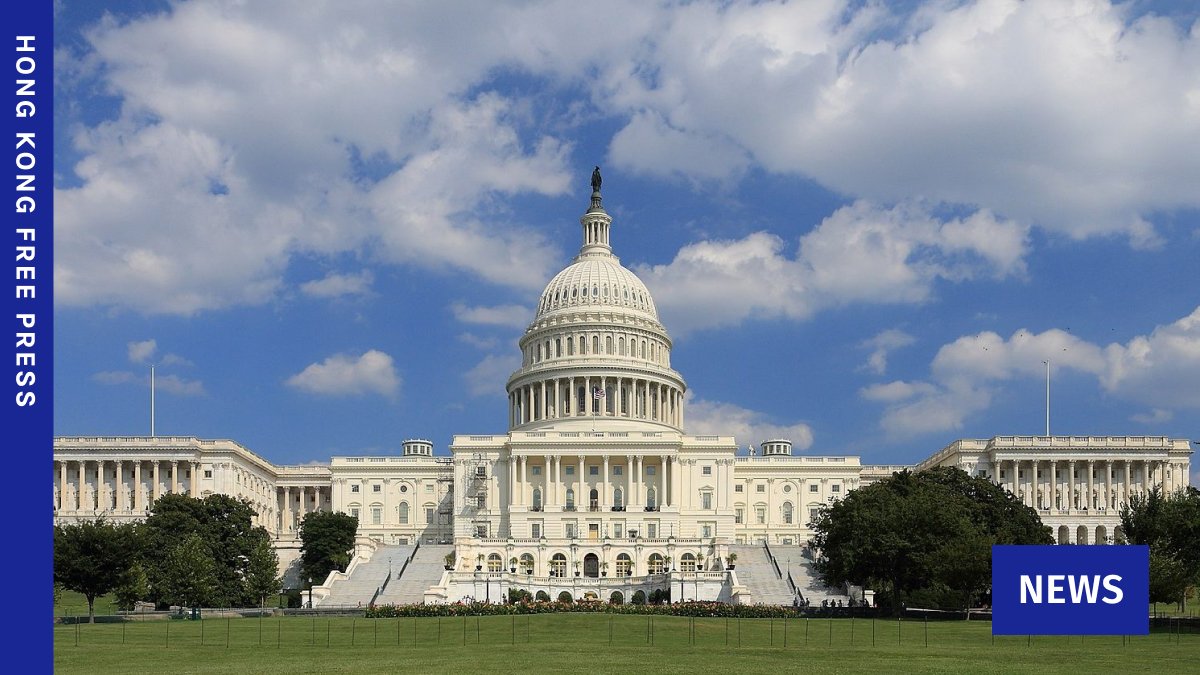
A group of U.S. lawmakers has advanced legislative efforts to shutter Hong Kong’s economic and trade offices in the United States, arguing that the city’s reduced autonomy renders those outposts inappropriate for special privileges.
The measure, known as the Hong Kong Economic and Trade Office Certification Act, passed overwhelmingly in the U.S. House of Representatives and would require the secretary of state to review whether the Hong Kong Economic and Trade Offices in Washington, New York and San Francisco should continue to enjoy diplomatic-style exemptions and immunities.
If they fail the autonomy test, the offices could be closed within 180 days of that determination.
The bill now awaits further consideration in the Senate as part of broader deliberations on U.S.–China policy.
Beijing and the Hong Kong government have responded with fierce criticism, dismissing the legislative push as politically motivated and a distortion of normal economic and trade cooperation.
China’s embassy in Washington said that the proposed action “manipulates Hong Kong-related issues” and threatens to harm U.S. interests, noting that Hong Kong is among the largest sources of U.S. trade surpluses and hosts more than a thousand American firms.
Officials in both Beijing and the Hong Kong Special Administrative Region warned that if the bill proceeds, it could damage the stability of bilateral ties and prompt “resolute and strong countermeasures.”
Hong Kong authorities have further rejected calls to close the offices as unwarranted interference in internal affairs, with spokespeople emphasising that the outposts promote legitimate economic engagement and cooperation.
Activists advocating for closure have described the offices as extensions of Beijing’s influence abroad, but both Chinese and Hong Kong officials have countered that such characterisations are baseless and risk undermining beneficial commercial and cultural links.
As lawmakers in the U.S. Senate consider companion measures addressing similar concerns over autonomy and human rights in the city, the debate highlights deepening geopolitical friction over Hong Kong’s status and the evolving contours of U.S.–China relations.
The measure, known as the Hong Kong Economic and Trade Office Certification Act, passed overwhelmingly in the U.S. House of Representatives and would require the secretary of state to review whether the Hong Kong Economic and Trade Offices in Washington, New York and San Francisco should continue to enjoy diplomatic-style exemptions and immunities.
If they fail the autonomy test, the offices could be closed within 180 days of that determination.
The bill now awaits further consideration in the Senate as part of broader deliberations on U.S.–China policy.
Beijing and the Hong Kong government have responded with fierce criticism, dismissing the legislative push as politically motivated and a distortion of normal economic and trade cooperation.
China’s embassy in Washington said that the proposed action “manipulates Hong Kong-related issues” and threatens to harm U.S. interests, noting that Hong Kong is among the largest sources of U.S. trade surpluses and hosts more than a thousand American firms.
Officials in both Beijing and the Hong Kong Special Administrative Region warned that if the bill proceeds, it could damage the stability of bilateral ties and prompt “resolute and strong countermeasures.”
Hong Kong authorities have further rejected calls to close the offices as unwarranted interference in internal affairs, with spokespeople emphasising that the outposts promote legitimate economic engagement and cooperation.
Activists advocating for closure have described the offices as extensions of Beijing’s influence abroad, but both Chinese and Hong Kong officials have countered that such characterisations are baseless and risk undermining beneficial commercial and cultural links.
As lawmakers in the U.S. Senate consider companion measures addressing similar concerns over autonomy and human rights in the city, the debate highlights deepening geopolitical friction over Hong Kong’s status and the evolving contours of U.S.–China relations.