From commerce and culture to public service, South Asian communities continue to hold a distinctive and influential place in the city’s evolution
South Asian communities occupy a singular and deeply rooted position in Hong Kong, reflecting a presence that predates the city’s modern skyline and continues to shape its identity today.
Families with origins in India, Pakistan, Nepal and Sri Lanka have been part of Hong Kong’s development since the nineteenth century, contributing to trade, policing, logistics and civic life during the colonial era and remaining integral to the city’s global character in the decades since.
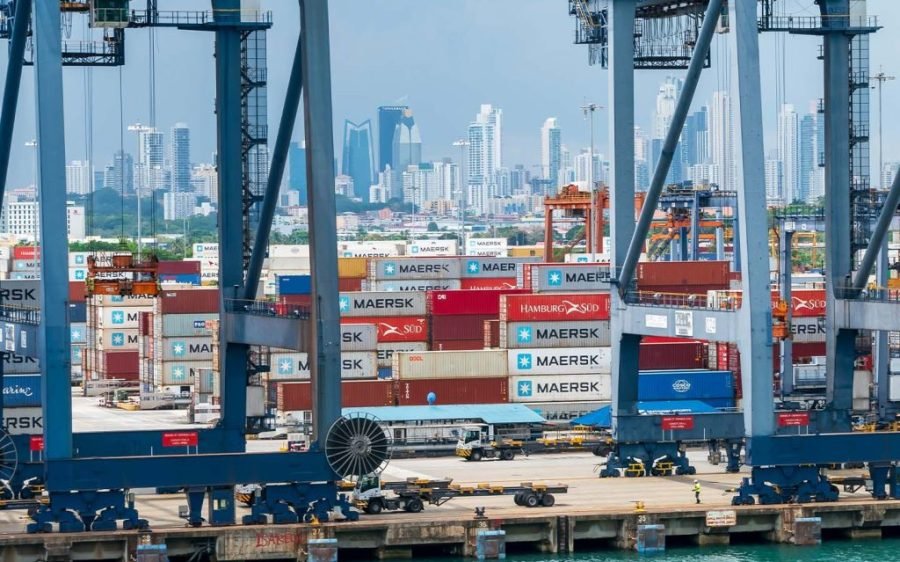
Their historical role laid foundations for Hong Kong’s emergence as an international trading hub, with South Asian merchants, financiers and professionals acting as early connectors between China, Europe and the wider world.
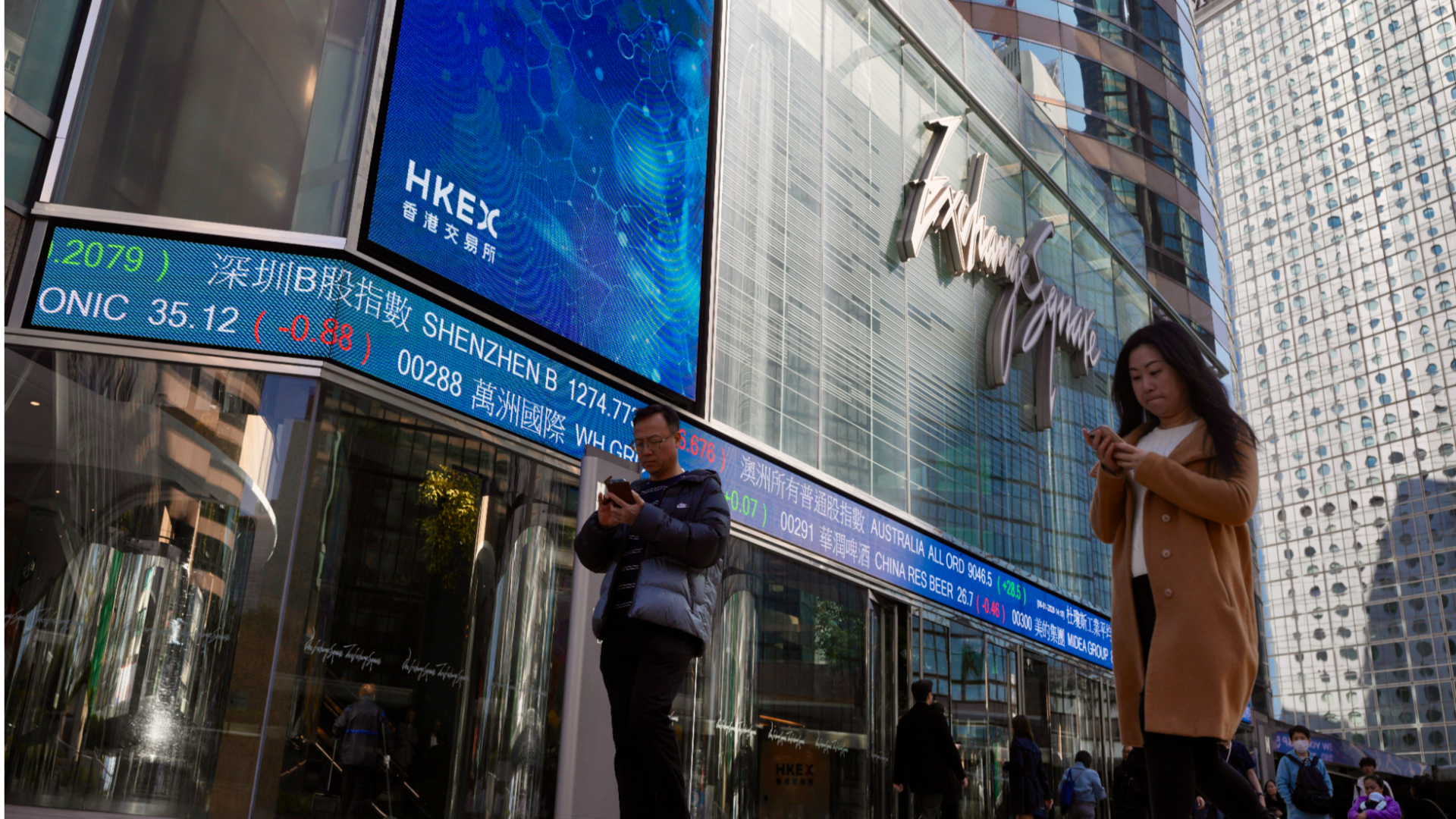
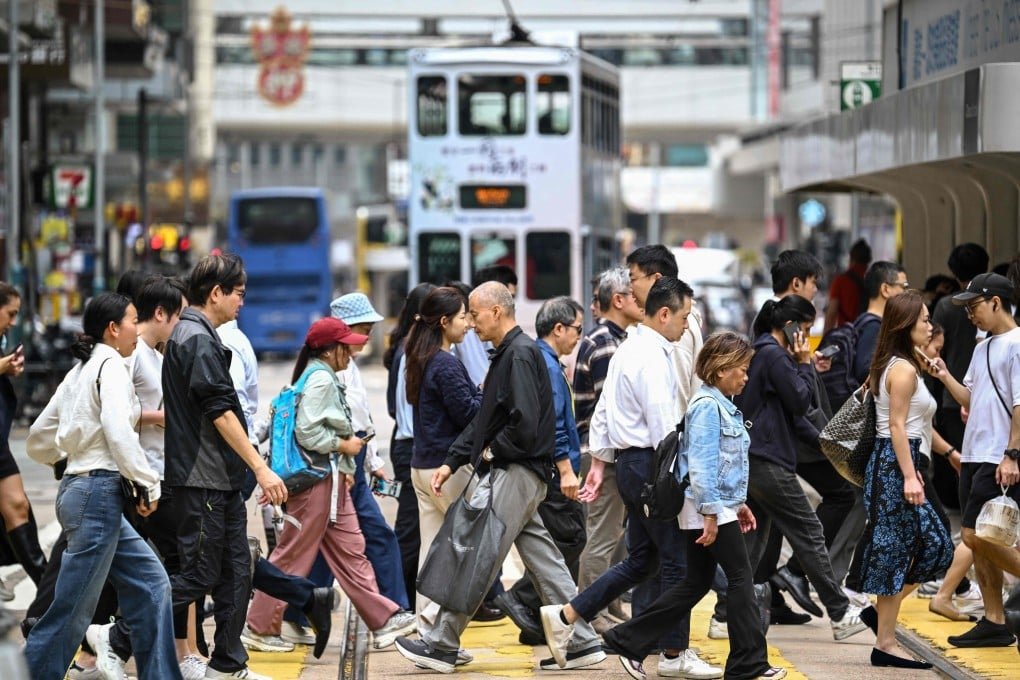
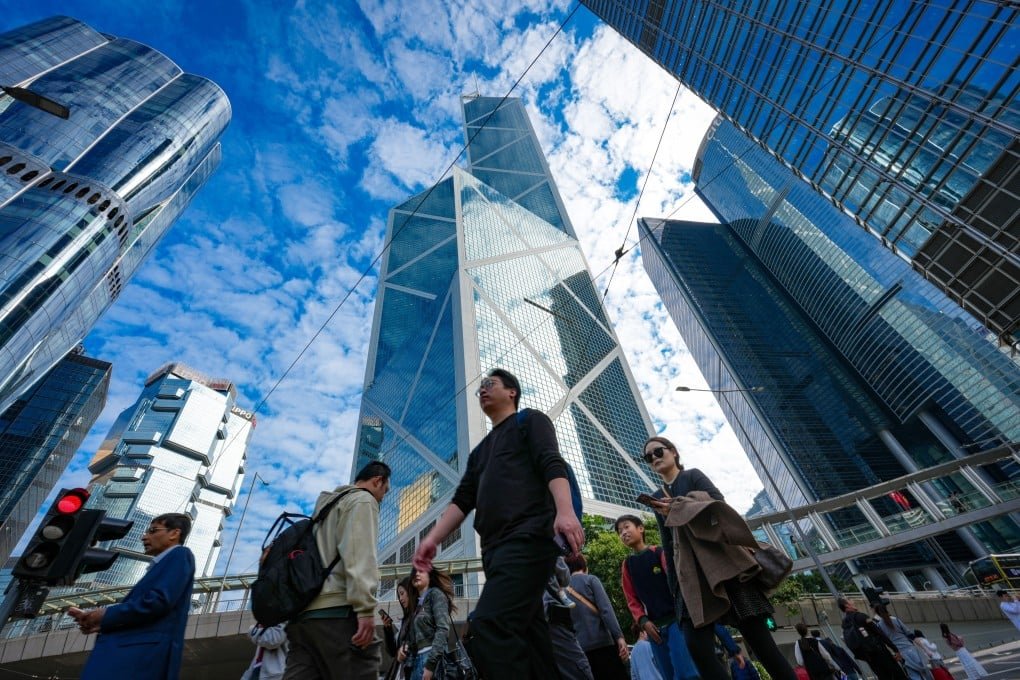
In contemporary Hong Kong, South Asians remain prominent across sectors ranging from finance and entrepreneurship to education, healthcare and the creative industries.
Generations born and raised in the city increasingly identify as both Hongkongers and members of their ancestral cultures, navigating multilingual environments that include English, Cantonese and heritage languages.
This hybrid identity has enriched Hong Kong’s cultural landscape, evident in neighbourhoods, religious institutions, cuisine and festivals that coexist alongside local traditions.
The city’s government has in recent years placed greater emphasis on integration and opportunity, expanding language support, educational pathways and employment initiatives aimed at ethnic minority communities.
These measures reflect recognition that social cohesion and economic competitiveness are strengthened when long-standing minority populations are fully included.
At the same time, challenges persist, particularly in education access and upward mobility, prompting ongoing dialogue between community leaders, policymakers and civil society groups.
South Asians’ unique place in Hong Kong lies not only in their historical contributions but also in their evolving role as a bridge between cultures in a city defined by openness and global exchange.
As Hong Kong continues to position itself as an international hub connecting China with the world, the experiences and talents of its South Asian residents remain a vital part of that story.
Families with origins in India, Pakistan, Nepal and Sri Lanka have been part of Hong Kong’s development since the nineteenth century, contributing to trade, policing, logistics and civic life during the colonial era and remaining integral to the city’s global character in the decades since.
Their historical role laid foundations for Hong Kong’s emergence as an international trading hub, with South Asian merchants, financiers and professionals acting as early connectors between China, Europe and the wider world.
In contemporary Hong Kong, South Asians remain prominent across sectors ranging from finance and entrepreneurship to education, healthcare and the creative industries.
Generations born and raised in the city increasingly identify as both Hongkongers and members of their ancestral cultures, navigating multilingual environments that include English, Cantonese and heritage languages.
This hybrid identity has enriched Hong Kong’s cultural landscape, evident in neighbourhoods, religious institutions, cuisine and festivals that coexist alongside local traditions.
The city’s government has in recent years placed greater emphasis on integration and opportunity, expanding language support, educational pathways and employment initiatives aimed at ethnic minority communities.
These measures reflect recognition that social cohesion and economic competitiveness are strengthened when long-standing minority populations are fully included.
At the same time, challenges persist, particularly in education access and upward mobility, prompting ongoing dialogue between community leaders, policymakers and civil society groups.
South Asians’ unique place in Hong Kong lies not only in their historical contributions but also in their evolving role as a bridge between cultures in a city defined by openness and global exchange.
As Hong Kong continues to position itself as an international hub connecting China with the world, the experiences and talents of its South Asian residents remain a vital part of that story.