Equity markets in Hong Kong retreat ahead of key Chinese macroeconomic figures, with sentiment dampened by signs of slowing growth
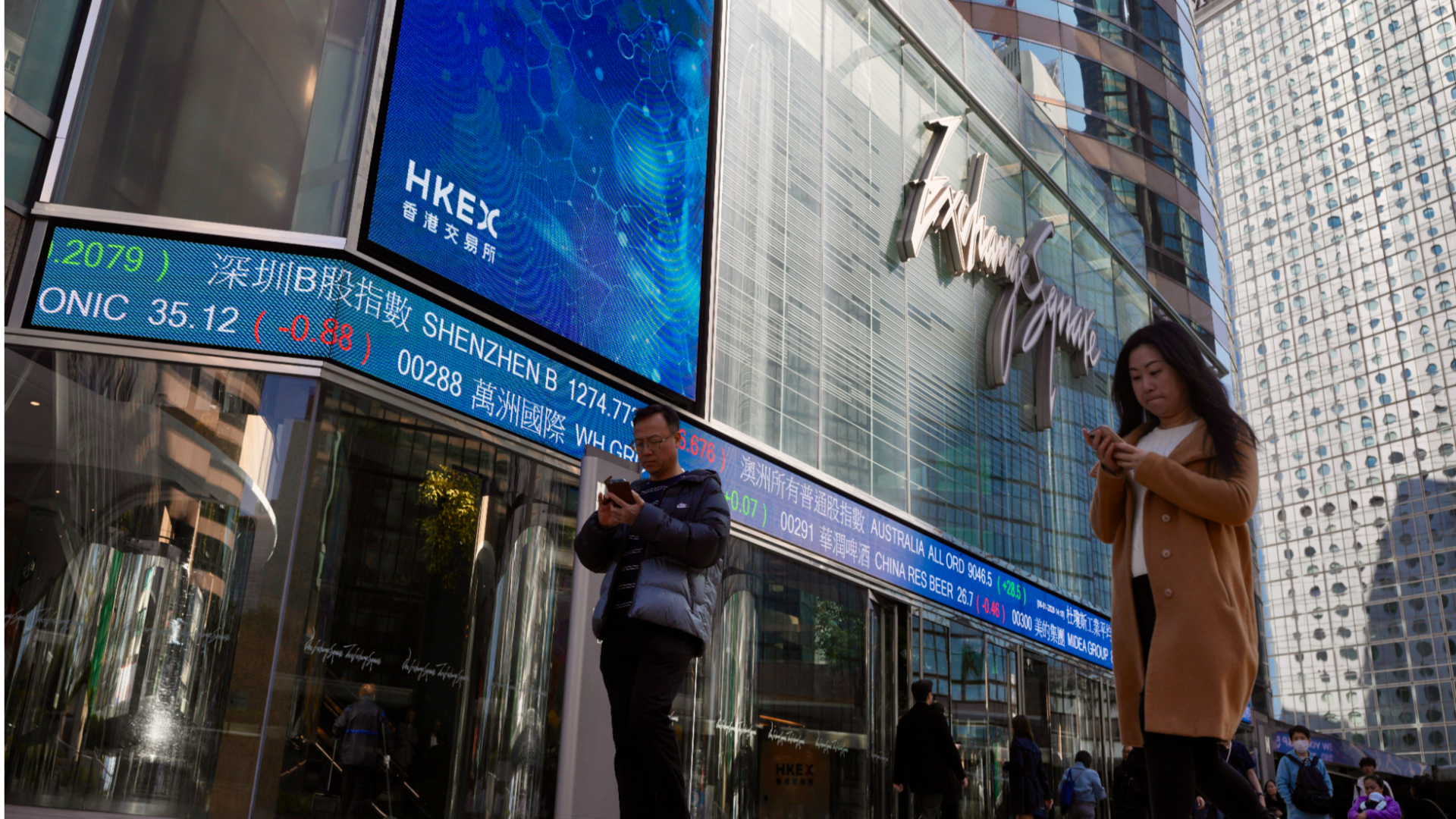
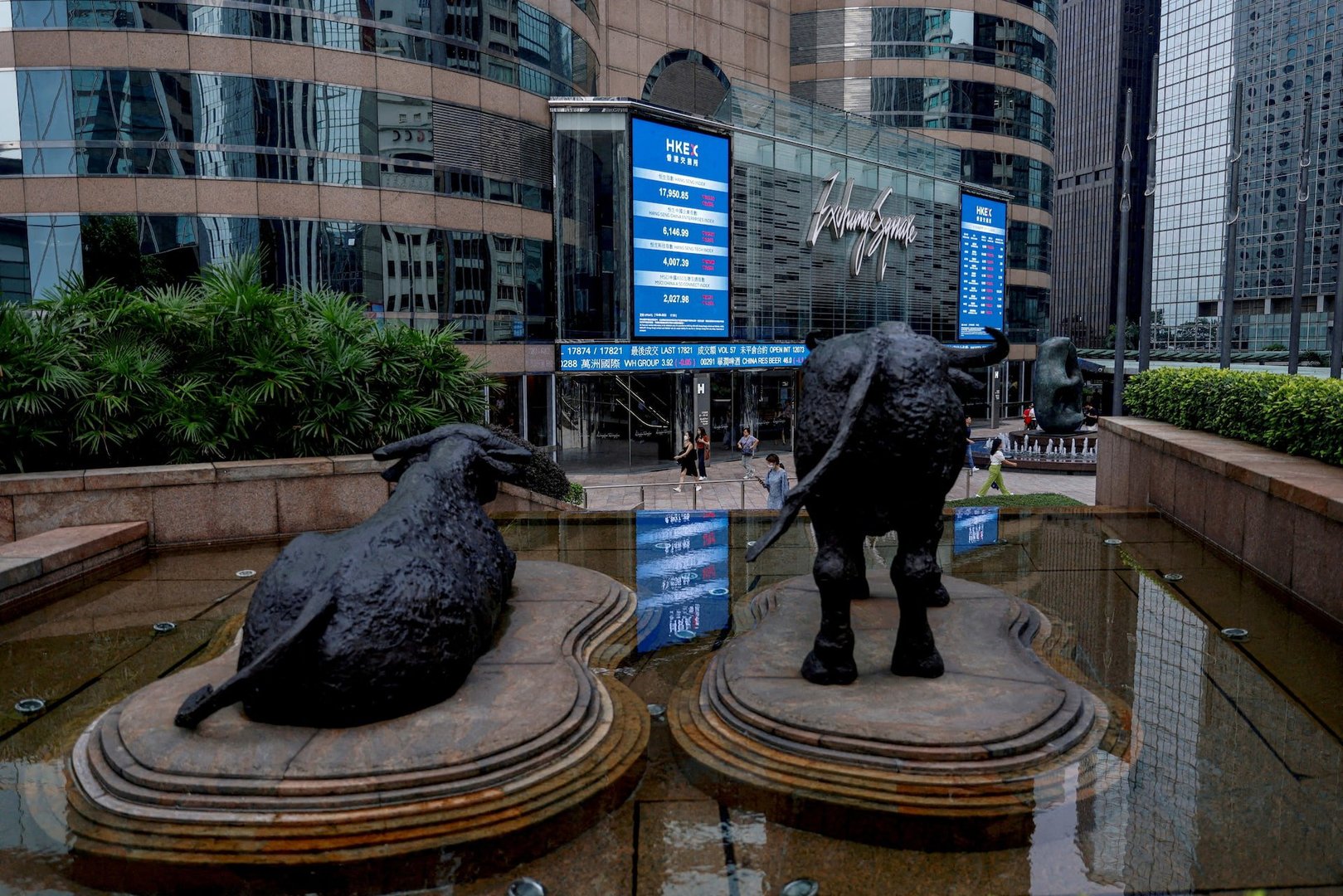
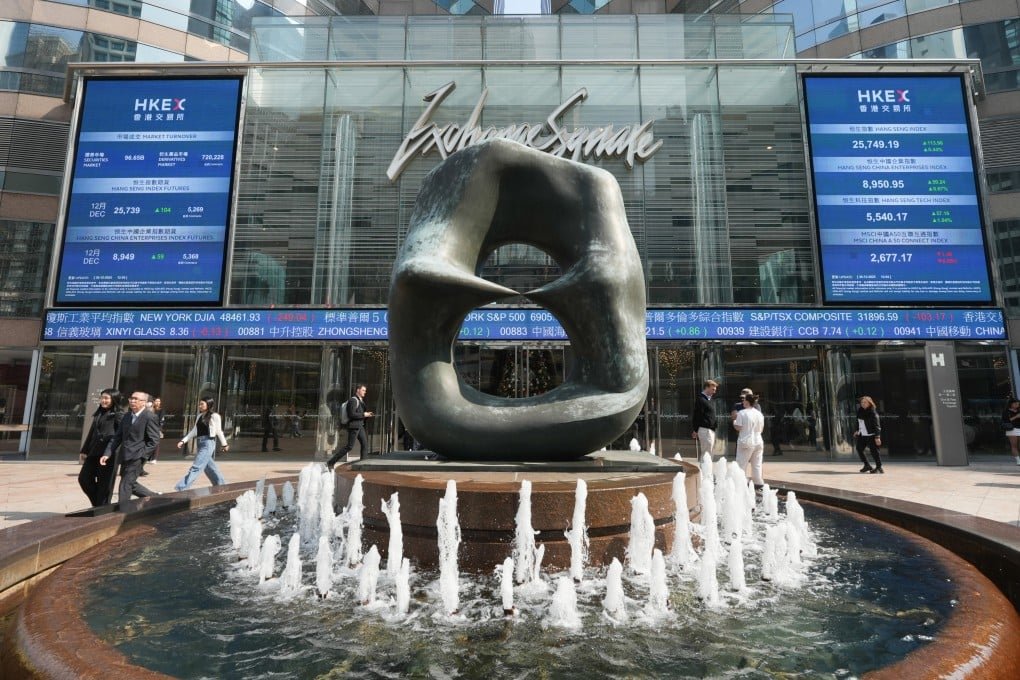
Hong Kong’s stock market weakened as investors adopted a cautious stance ahead of the release of important economic data from China, reflecting growing concern about the trajectory of the world’s second-largest economy.
The benchmark Hang Seng Index retreated, with broad-based selling pressure evident across major sectors including technology and consumer-linked stocks, as market participants awaited fresh indicators that could illuminate China’s growth momentum and influence global market dynamics.
Recent Chinese data have pointed to decelerating retail and investment trends, contributing to investor anxiety over growth prospects and corporate earnings, particularly among equities most sensitive to economic cycles.
The slide in Hong Kong equities underscores the deep integration between the city’s markets and mainland China’s economic performance, as Shanghai and Shenzhen benchmarks also reflected sluggish sentiment.
Some analysts noted that previous rounds of economic figures showing retail sales and property-sector contractions had already tempered optimism about domestic demand, and markets were keenly positioned for upcoming data that could influence policy expectations.
Additionally, fading hopes of near-term interest-rate cuts by major central banks weighed on risk appetite, reinforcing a risk-off mood.
With traders awaiting fresh signals from Beijing’s economic releases, volatility in Hong Kong’s stock market is expected to persist until clearer prospects for growth and policy support come into view.
The benchmark Hang Seng Index retreated, with broad-based selling pressure evident across major sectors including technology and consumer-linked stocks, as market participants awaited fresh indicators that could illuminate China’s growth momentum and influence global market dynamics.
Recent Chinese data have pointed to decelerating retail and investment trends, contributing to investor anxiety over growth prospects and corporate earnings, particularly among equities most sensitive to economic cycles.
The slide in Hong Kong equities underscores the deep integration between the city’s markets and mainland China’s economic performance, as Shanghai and Shenzhen benchmarks also reflected sluggish sentiment.
Some analysts noted that previous rounds of economic figures showing retail sales and property-sector contractions had already tempered optimism about domestic demand, and markets were keenly positioned for upcoming data that could influence policy expectations.
Additionally, fading hopes of near-term interest-rate cuts by major central banks weighed on risk appetite, reinforcing a risk-off mood.
With traders awaiting fresh signals from Beijing’s economic releases, volatility in Hong Kong’s stock market is expected to persist until clearer prospects for growth and policy support come into view.