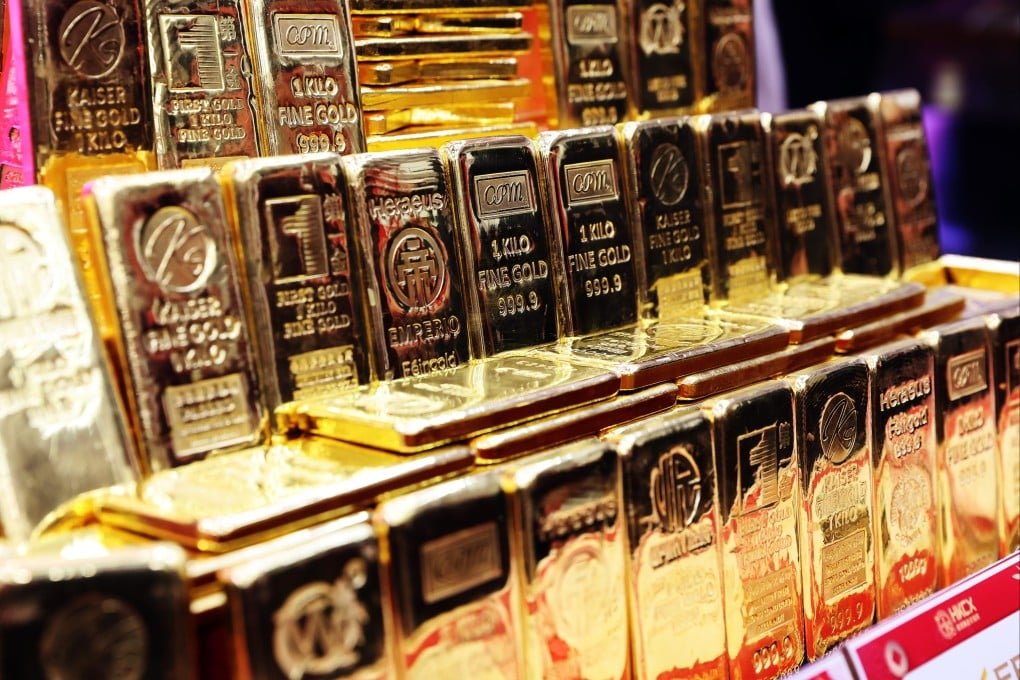
Hong Kong aims to launch a central gold clearing mechanism in 2026, deepening market integration with Shanghai as part of broader efforts to build a global bullion hub
Hong Kong and Shanghai are advancing plans to integrate their gold markets by setting up a central gold clearing system in the city, a key step in developing a cross-border wholesale bullion trading ecosystem that links the mainland with international capital flows.
Under the Hong Kong Special Administrative Region’s evolving strategy to become an international gold trading hub, a government-backed gold clearing platform is scheduled to begin trial operations in 2026, offering efficient and reliable settlement services for gold transactions in compliance with global standards.
The initiative is designed to complement recent infrastructure developments, including the launch of Shanghai Gold Exchange offshore contracts and a certified gold vault in Hong Kong that allow delivery, trading and storage between the two markets.
Officials emphasise that the clearing system will facilitate deeper market cooperation with the Shanghai Gold Exchange and support broader mutual market access over time.
In his 2025 Policy Address, Hong Kong’s chief executive outlined government plans to build robust gold storage capacity of over two thousand tonnes within three years and encourage enhanced collaboration on refining, trading and investment products.
The integration with Shanghai’s gold infrastructure — including yuan-denominated contracts and cross-border settlement mechanics — reflects a targeted effort to establish a seamless bridge between mainland China’s vast physical gold market and global participants who operate through Hong Kong’s free-flowing financial platform.
Industry stakeholders say these developments could bolster Hong Kong’s role as a strategic gateway for bullion trading in Asia, offering investors greater flexibility in trading currencies and delivery options.
The cross-border initiative, supported by expanded storage, refined clearing services and cooperative frameworks with Shanghai, underscores momentum in Asian precious metals markets as institutions seek diversified trading venues and deeper economic linkages.
Market observers note that the move also aligns with broader financial objectives to enhance yuan usage in commodity markets and tap into growing international interest in safe-haven assets.
Under the Hong Kong Special Administrative Region’s evolving strategy to become an international gold trading hub, a government-backed gold clearing platform is scheduled to begin trial operations in 2026, offering efficient and reliable settlement services for gold transactions in compliance with global standards.
The initiative is designed to complement recent infrastructure developments, including the launch of Shanghai Gold Exchange offshore contracts and a certified gold vault in Hong Kong that allow delivery, trading and storage between the two markets.
Officials emphasise that the clearing system will facilitate deeper market cooperation with the Shanghai Gold Exchange and support broader mutual market access over time.
In his 2025 Policy Address, Hong Kong’s chief executive outlined government plans to build robust gold storage capacity of over two thousand tonnes within three years and encourage enhanced collaboration on refining, trading and investment products.
The integration with Shanghai’s gold infrastructure — including yuan-denominated contracts and cross-border settlement mechanics — reflects a targeted effort to establish a seamless bridge between mainland China’s vast physical gold market and global participants who operate through Hong Kong’s free-flowing financial platform.
Industry stakeholders say these developments could bolster Hong Kong’s role as a strategic gateway for bullion trading in Asia, offering investors greater flexibility in trading currencies and delivery options.
The cross-border initiative, supported by expanded storage, refined clearing services and cooperative frameworks with Shanghai, underscores momentum in Asian precious metals markets as institutions seek diversified trading venues and deeper economic linkages.
Market observers note that the move also aligns with broader financial objectives to enhance yuan usage in commodity markets and tap into growing international interest in safe-haven assets.