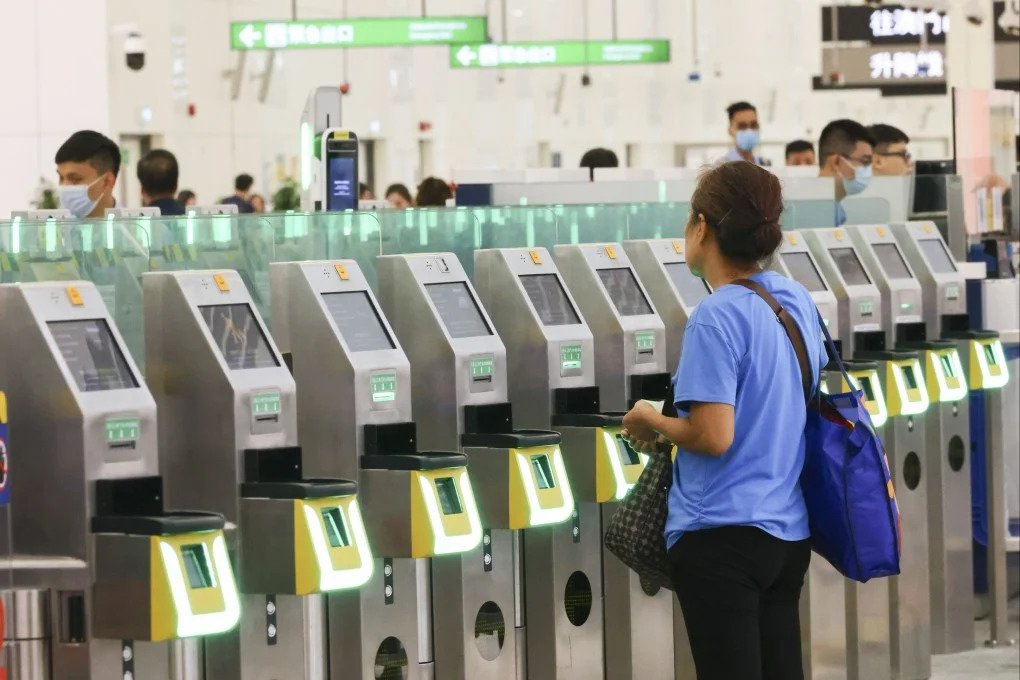
New arrangements allow children aged seven and above from both special administrative regions to use each other’s e-Channel and automated gates from January nineteenth
Hong Kong and Macao have jointly introduced new immigration clearance measures that significantly expand access to automated border channels for residents of both special administrative regions.
Effective January nineteenth, the minimum age for permanent residents of Hong Kong and Macao to use each other’s automated immigration clearance systems — including Hong Kong’s e-Channels and Macao’s two-gate automated channels — has been lowered from eleven to seven years old.
The measure, agreed by the Hong Kong Immigration Department, Macao’s Public Security Police Force, Identification Services Bureau and the Public Security Forces Affairs Bureau, aims to streamline cross-border travel and enhance convenience for families, commuters and students who regularly traverse the Pearl River Delta.
Under the new regime, eligible children aged seven to ten may enrol at designated enrolment offices with a parent or guardian and, following successful registration, use the automated border-clearance facilities of the other jurisdiction within about thirty minutes.
The enhancements also relax enrolment requirements for non-permanent residents aged eighteen or above, who may complete self-service enrolment for the other side’s automated systems at newly accessible kiosks or designated control points, then begin using the channels within approximately three hours.
To align with the expanded eligibility, Macao will extend its “joint inspection automated channels” and iris recognition services to Hong Kong permanent residents aged seven to ten, further improving the border-crossing experience for younger travellers.
Authorities highlighted that these reforms support broader regional integration under the Guangdong-Hong Kong-Macao Greater Bay Area development plan and reflect ongoing cooperation to modernise immigration procedures.
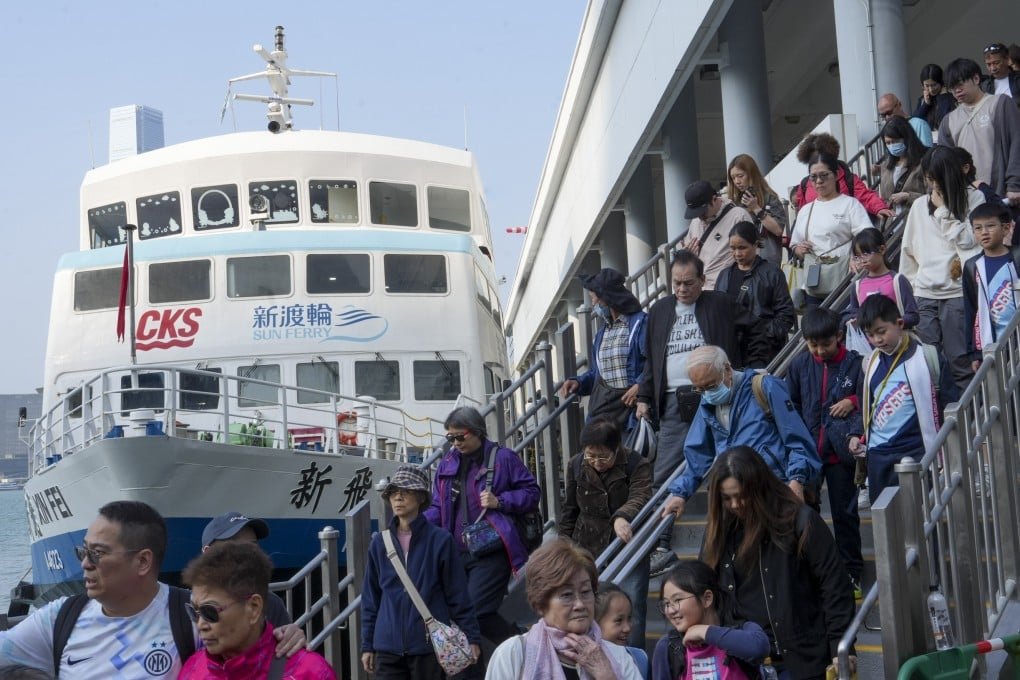
The streamlined access to automated clearance is expected to reduce queuing times, especially at busy control points such as the Hong Kong-Zhuhai-Macao Bridge and other major land and ferry crossings, enhancing mobility between the two cities for millions of residents annually.
Effective January nineteenth, the minimum age for permanent residents of Hong Kong and Macao to use each other’s automated immigration clearance systems — including Hong Kong’s e-Channels and Macao’s two-gate automated channels — has been lowered from eleven to seven years old.
The measure, agreed by the Hong Kong Immigration Department, Macao’s Public Security Police Force, Identification Services Bureau and the Public Security Forces Affairs Bureau, aims to streamline cross-border travel and enhance convenience for families, commuters and students who regularly traverse the Pearl River Delta.
Under the new regime, eligible children aged seven to ten may enrol at designated enrolment offices with a parent or guardian and, following successful registration, use the automated border-clearance facilities of the other jurisdiction within about thirty minutes.
The enhancements also relax enrolment requirements for non-permanent residents aged eighteen or above, who may complete self-service enrolment for the other side’s automated systems at newly accessible kiosks or designated control points, then begin using the channels within approximately three hours.
To align with the expanded eligibility, Macao will extend its “joint inspection automated channels” and iris recognition services to Hong Kong permanent residents aged seven to ten, further improving the border-crossing experience for younger travellers.
Authorities highlighted that these reforms support broader regional integration under the Guangdong-Hong Kong-Macao Greater Bay Area development plan and reflect ongoing cooperation to modernise immigration procedures.
The streamlined access to automated clearance is expected to reduce queuing times, especially at busy control points such as the Hong Kong-Zhuhai-Macao Bridge and other major land and ferry crossings, enhancing mobility between the two cities for millions of residents annually.