With Washington allowing controlled H200 exports, Chinese tech firms are poised to capitalise on advanced AI processors even as Beijing eyes longer-term domestic alternatives
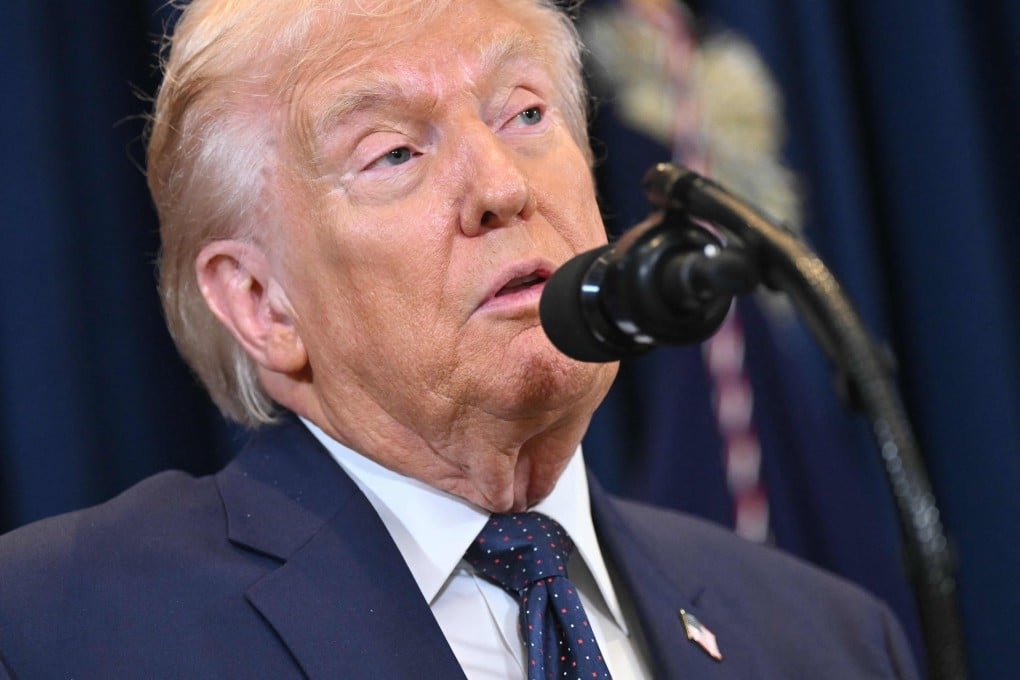
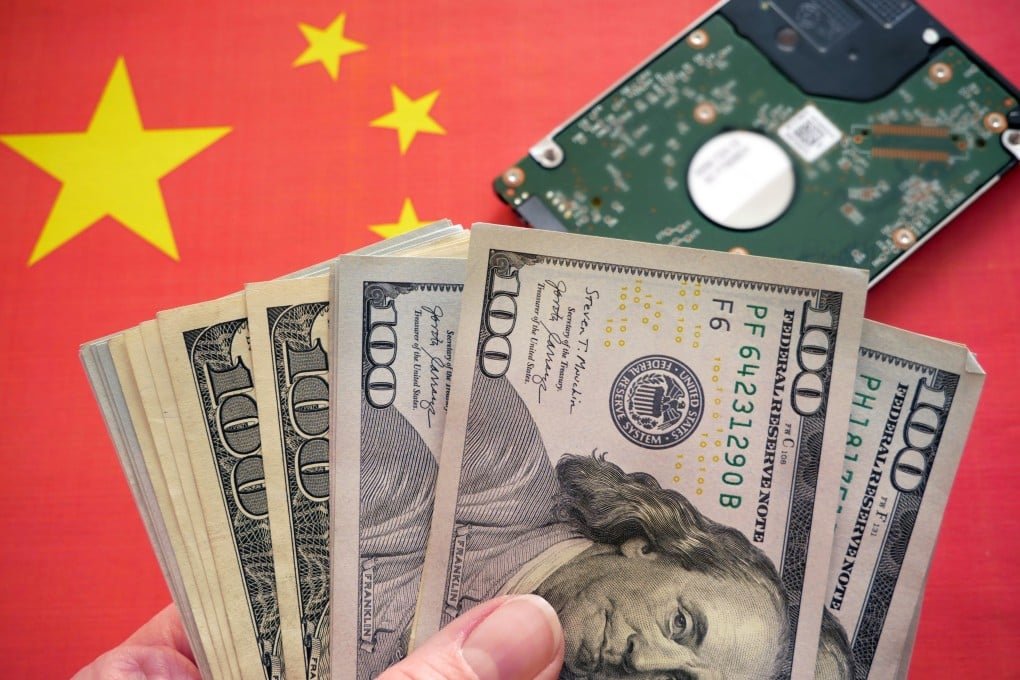
China is expected to import Nvidia’s H200 artificial intelligence chips following recent changes to U.S. export policy that permit the high-performance processors to be sold to approved Chinese buyers under strict conditions.

The U.S. Department of Commerce’s Bureau of Industry and Security has authorised exports of the H200 — Nvidia’s second-most-advanced AI GPU — provided that total shipments to China do not exceed fifty per cent of the volume sold to U.S. customers and that the chips are not used for military purposes.

The decision reflects a strategic recalibration by the Trump administration aimed at balancing national security considerations with the commercial interests of American technology firms and their global market share.

Analysts say Chinese artificial intelligence developers are likely to embrace the lifted curbs because the country’s domestic semiconductor industry currently lacks equivalent advanced processors.

The H200’s capabilities support demanding AI model training and computation tasks, making it attractive to companies already using compatible Nvidia architectures.

“China is behind, so the market is going to want these chips,” observed a finance professor in Shanghai, noting that the ready integration with existing frameworks makes adoption relatively straightforward.

Officials in Washington also require export compliance checks and prioritisation of U.S. supply to safeguard fit with broader security goals.

Despite the U.S. clearance, Beijing has signalled a cautious approach to actual H200 purchases.

Local authorities have reportedly instructed major technology companies to delay or restrict chip orders unless for specific research or necessary commercial use.

Some sources suggest that access may initially be limited to university research and development labs under “special circumstances,” reflecting domestic priorities to support homegrown semiconductor development and mitigate reliance on foreign hardware.

This approach highlights Beijing’s dual objective of meeting immediate computational needs while nurturing its indigenous AI chip ecosystem.

The resumption of controlled sales comes after prior export restrictions blocked Nvidia’s H200 from entering the Chinese market under national security rules, a policy set during the Biden administration and now recalibrated by President Trump’s government.

Nvidia has welcomed the policy shift, emphasising potential benefits for U.S. industry competitiveness and job creation, even as Chinese firms weigh the cost and regulatory requirements.

The move underscores the evolving technological and geopolitical dynamics shaping AI hardware trade between the United States and China, and sets the stage for how advanced semiconductor flows may interact with wider efforts to bolster domestic innovation in both countries.
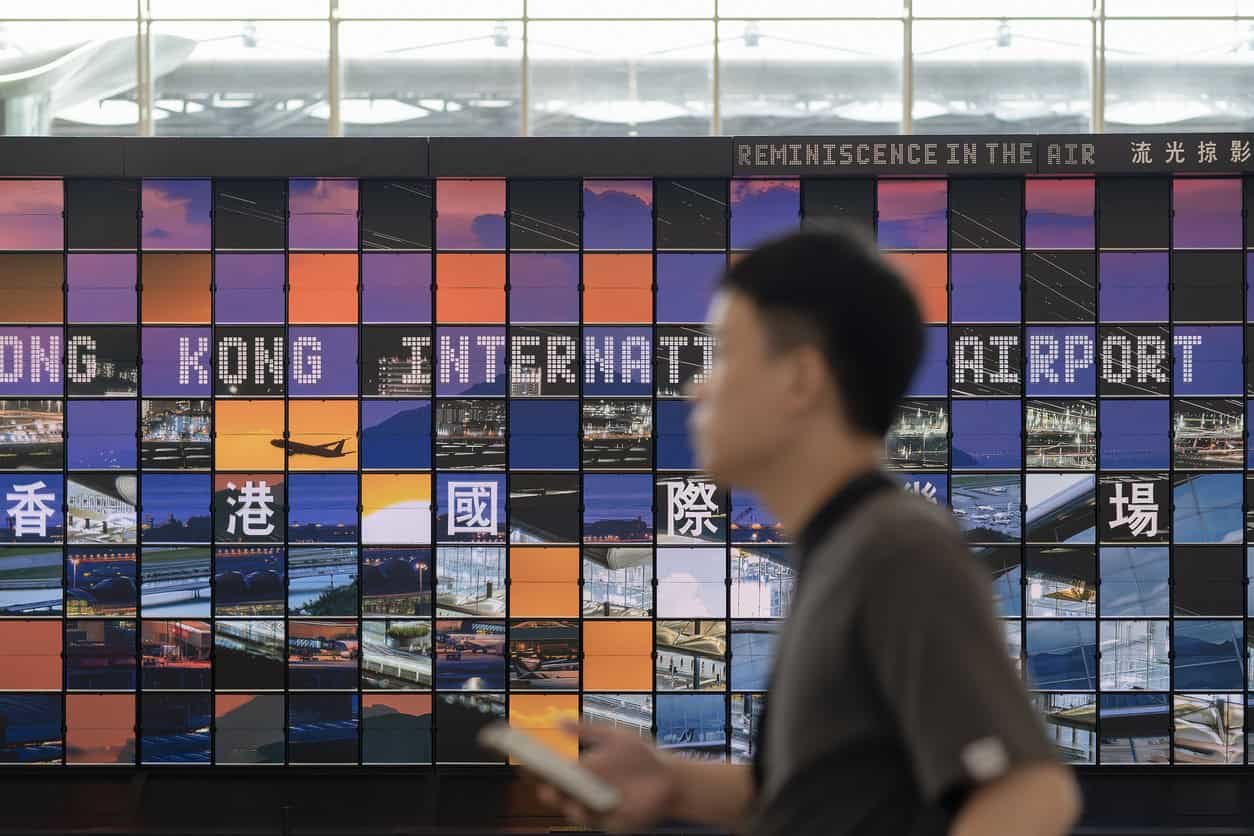
Slower-than-expected economic signals weigh on e-commerce giant’s stock as investors reassess outlook for retail growth
Alibaba Group’s share price fell in Hong Kong trading following the release of Chinese economic data that renewed investor anxiety about domestic consumer demand and its implications for the company’s core e-commerce business.

On Monday, Alibaba’s Hong Kong-listed stock dropped approximately three to four percent, retreating from recent highs after official figures showed China’s fourth-quarter gross domestic product grew at a more modest pace and December retail sales expanded only marginally year-on-year, pointing to persistent weakness in consumer spending.

The slower growth trajectory dampened optimism that had supported the company’s substantial stock rally over the past year and raised questions about the sustainability of revenue gains from Alibaba’s traditional commerce segments.

Investor concern was compounded by data indicating that retail sales growth had slowed to its weakest pace since 2022, suggesting that households may be tightening budgets amid broader economic headwinds.

Alibaba’s e-commerce platforms, which account for a significant share of its total revenue, are particularly sensitive to shifts in consumer confidence and spending patterns.

The pullback in the stock also reflected broader market caution, as traders weighed the company’s valuation following a strong advance and scrutinised whether its strategic investments, including ambitious artificial intelligence initiatives, can offset slowing demand in its core markets.

While Alibaba continues to invest heavily in next-generation technologies, the immediate market reaction underscores how macroeconomic indicators can swiftly influence sentiment toward leading Chinese technology and consumer stocks.
Professional bodies urge refinement of tax reporting requirements as the city advances comprehensive crypto licensing plans
Hong Kong’s leading crypto and financial professionals have called for modifications to proposed digital-asset reporting rules that would accompany a broader new licensing framework for cryptocurrency dealers, custodians and related service providers.

The push from industry groups comes as the city accelerates plans to implement mandatory licences for virtual asset dealers and custodians in 2026, part of a larger strategy to strengthen oversight while positioning Hong Kong as a global digital asset hub.

Experts and trade associations have expressed concern that certain reporting obligations under the Organisation for Economic Co-operation and Development’s Crypto-Asset Reporting Framework could impose heavy administrative burdens on firms, potentially stifling innovation and competitiveness in the local market.

They argue that lighter reporting procedures, especially for smaller entities or those with minimal cross-border activity, could strike a better balance between regulatory compliance and business viability.

The debate over reporting rules is unfolding against the backdrop of the city’s rapid expansion of digital asset regulation.

Hong Kong authorities have finalised consultations on licensing regimes for virtual-asset dealing and custody services, and are now seeking feedback on proposals to regulate advisory and management services involving digital assets, alongside existing frameworks for stablecoin issuers and licensed exchanges.

These moves are aimed at bringing the full spectrum of crypto-related activities under a coherent regulatory regime and enhancing investor protection while preserving market dynamism.

Critics of strict reporting requirements have welcomed elements such as mandatory registration and penalties for non-compliance but advocate for safeguards including clear privacy protections and caps on liabilities for unintentional errors.

They also propose simplified processes for firms with limited reporting obligations to reduce operational complexity and cost.


Government officials have emphasised Hong Kong’s commitment to international tax transparency and the necessity of aligning with global standards such as the Crypto-Asset Reporting Framework and Common Reporting Standard.

A public consultation on the implementation of these frameworks was launched in December, with the aim of commencing automatic exchange of crypto tax information with partner jurisdictions by 2028. While industry participants broadly support enhanced compliance and regulatory clarity, they continue to advocate adjustments to ensure that reporting obligations remain proportionate and do not undermine the city’s attractiveness as a digital asset centre.
Beijing-aligned government rejects proposed U.S. sanctions on judiciary as interference and vows to uphold legal independence
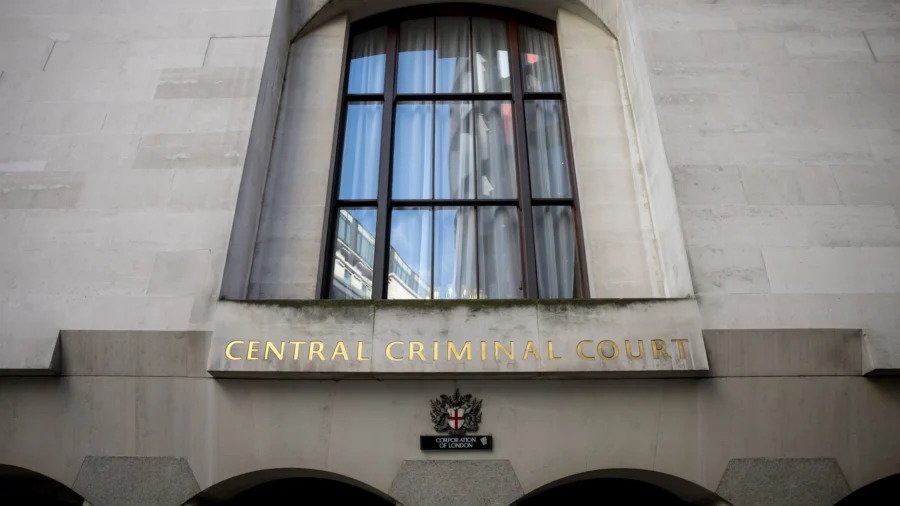
Hong Kong’s justice minister has strongly denounced recent proposals by some United States lawmakers to impose sanctions on Hong Kong judges, prosecutors and senior legal officials, characterising the move as an attempt to intimidate personnel who uphold national security and judicial independence.

The government statement labelled any effort to include members of the judiciary and Department of Justice prosecutors on a sanctions list as a dangerous intervention in the city’s legal affairs and emphasised that such actions would not deter officials from executing their duties.

The minister reiterated that the judicial system operates independently under the rule of law and that legal actions are based strictly on evidence and applicable legislation without regard to political background.

Officials in the Hong Kong Special Administrative Region stressed that safeguarding national security falls within the jurisdiction of the city’s sovereign legal system and is not subject to external interference.

The government urged foreign lawmakers to respect international law and the basic principles of international relations, calling on them to cease attempts to influence internal affairs.

It also reaffirmed that defendants enjoy the right to a fair trial and that the courts adjudicate cases in accordance with evidence and legal standards, with no differentiation based on the individual’s political views or occupation.

The justice minister’s remarks underscore persistent tension between Hong Kong authorities and foreign legislators over the application of the National Security Law and the appropriate scope of external scrutiny of the judiciary.
Diversified issuance and regulatory initiatives underpin forecasts for continued expansion of Hong Kong dollar and renminbi bonds next year
Hong Kong’s bond markets are expected to maintain robust growth momentum in 2026 on the back of record issuance levels in both Hong Kong dollar and yuan-denominated debt and new regulatory initiatives aimed at deepening and broadening investor participation.

The city’s local-currency bond issuance reached historic highs in 2025, with Hong Kong dollar bonds surpassing HK$331 billion and strong interest from issuers looking for cost-effective funding amid easing local interest rates.

Analysts say this trend is likely to continue into 2026 as more corporations and public entities tap the market and global investors seek alternatives to U.S. dollar-denominated assets.

Alongside the surge in Hong Kong dollar issuance, yuan-denominated bonds — often referred to as dim sum bonds — are set for continued expansion.

Data from 2025 showed offshore yuan issuance climbing sharply, with forecasts suggesting issuance could approach unprecedented levels next year as China’s efforts to internationalise the renminbi and improve access for international investors bear fruit.

The Hong Kong Monetary Authority and Securities and Futures Commission have unveiled a comprehensive blueprint to support multi-currency bond issuance, widen the investor base and introduce enhancements such as electronic trading platforms and streamlined regulatory frameworks to facilitate growth.

Industry participants also point to structural factors supporting the momentum, including Hong Kong’s deep liquidity, its long-standing U.S. dollar peg that attracts issuers seeking stable funding, and a growing pipeline of sustainable and infrastructure bond projects that appeal to global investors.

Bond Connect schemes and initiatives to attract Middle Eastern and Asian capital are further strengthening Hong Kong’s position as a premier international fixed-income hub.

With these dynamics in place, bond market growth in Hong Kong — encompassing both Hong Kong dollar and yuan instruments — is forecast to remain strong through 2026, reinforcing the city’s financial leadership in Asia’s debt markets.
Singapore-listed Hongkong Land retires cancelled shares as part of ongoing capital management strategy and investor support measures
Hongkong Land Holdings Limited has cancelled 180,000 of its own shares that it repurchased on the open market, signalling continued focus on returning capital to shareholders and enhancing financial metrics.

The company executed the share buybacks on January 16, acquiring the ordinary shares at an average price of approximately US$8.24 before formally cancelling them, thereby reducing the total number of shares in issue.

This cancellation follows earlier repurchases and is part of a broader, authorised buyback programme that the board has extended through the end of this year.

The move is designed to improve earnings per share and demonstrate confidence in the company’s valuation amid ongoing volatility in Asian property markets.

Hongkong Land’s buyback and cancellation activity comes against a backdrop of strategic capital management, including divestments and balance-sheet optimisation aimed at supporting long-term shareholder value.

Recent filings indicate that additional market purchases will continue under the expanded buyback mandate, reflecting the board’s commitment to deploying excess capital judiciously while bolstering investor confidence.

The cancellation of repurchased stock permanently removes these shares from circulation, reducing overall share count and potentially enhancing per-share metrics for remaining investors.
Hong Kong emerges as a strategic stepping stone for Chinese art graduates seeking broader opportunities and ‘career passports’ abroad
Art graduates from mainland China are increasingly choosing to pursue postgraduate study and professional experience in Hong Kong as a way to enhance their career prospects and access international opportunities.

Faced with a highly competitive job market at home and a perception that a Hong Kong academic credential or work experience amounts to a valuable ‘career passport,’ many graduates are enrolling in local universities or vocational programmes to refine their artistic skills and expand their professional networks.

Attendance at Hong Kong’s art institutions is seen as a way to bridge the gap between creative training and employment, particularly in fields such as visual arts, design and cultural management.

mainland students – buoyed by Hong Kong’s unique position at the nexus of East Asian and global cultural circuits – hope that time spent in the city will improve their attractiveness to employers across Asia and beyond.

Drivers behind this trend include the reputation of Hong Kong’s art schools, the presence of an active gallery scene and cultural institutions, and the city’s proximity to major markets and exhibitions.

Graduates have noted that Hong Kong’s internationalised environment allows them to build portfolios that resonate both regionally and globally while being exposed to diverse artistic influences.

They also mention the practical benefit of tapping into cross-border migration and employment schemes, such as the Immigration Arrangements for Non-local Graduates and other talent pass schemes that can facilitate stays and work opportunities following graduation.

Hong Kong’s visa frameworks for non-local graduates and professionals are designed to attract skilled talent and provide a platform for long-term career development in the city’s creative industries.

Nevertheless, this migration pattern comes with challenges.

Graduates must navigate high living costs and competitive studio and gallery environments, and some find securing employment remains difficult despite strong credentials because employers often prioritise Cantonese language skills or local experience.

Even so, many continue to view a Hong Kong connection as a strategic asset that enhances their résumé and opens doors to opportunities in Asia’s dynamic arts and cultural sectors.

As this cohort grows, Hong Kong’s role as a cultural and educational hub is being reinforced, blending mainland talent with international influences to shape new artistic careers across borders.
Executives and investors at CES showcase accelerating investment and real-world applications, brushing aside fears of an artificial intelligence slowdown
Artificial intelligence optimism dominated the world’s largest technology exhibition this week, with little evidence on the show floor that concerns over an AI investment bubble are dampening industry momentum.

At the annual Consumer Electronics Show in Las Vegas, companies unveiled a wide range of AI-powered products and systems, from humanoid robots designed for industrial work to consumer appliances and next-generation computing platforms, underscoring confidence that AI adoption is still in its early stages.

Executives from major technology groups emphasised that their focus remains on building practical products and infrastructure rather than reacting to short-term market anxieties.

Leaders from companies including Amazon, Intel, Qualcomm and Samsung expressed the view that AI represents a long-term technological shift rather than a passing trend, pointing to growing demand across manufacturing, healthcare, logistics and consumer electronics.

Investment figures reflect that conviction, with tens of billions of dollars flowing into data centres and AI infrastructure in the past year alone and capital spending expected to rise further as companies race to secure computing capacity.

While some analysts have warned that spending may be running ahead of immediate demand, executives at the event argued that progress in areas such as on-device processing, energy efficiency and specialised chips is broadening AI’s reach beyond power-hungry cloud systems.

Nvidia, whose hardware sits at the centre of the AI build-out, used the show to outline updates to its data-centre computing platform scheduled for release later this year, reinforcing its role as a key supplier to the sector.

Meanwhile, chipmakers highlighted efforts to process AI tasks locally on laptops, smartphones and embedded systems, reducing dependence on centralised infrastructure.

Beyond computing hardware, exhibitors also pointed to emerging consumer and industrial use cases, including robots capable of complex physical tasks and new wearable devices that rely on AI to organise and interpret daily activity.

While a minority of industry voices acknowledged that parts of the market may be overheated, there was broad agreement that artificial intelligence has already become embedded in everyday technology and business operations.

The atmosphere at the exhibition suggested that, regardless of debate over valuation and investment cycles, companies are pressing ahead with AI development as a foundational pillar of future growth.
Hong Kong aims to launch a central gold clearing mechanism in 2026, deepening market integration with Shanghai as part of broader efforts to build a global bullion hub
Hong Kong and Shanghai are advancing plans to integrate their gold markets by setting up a central gold clearing system in the city, a key step in developing a cross-border wholesale bullion trading ecosystem that links the mainland with international capital flows.

Under the Hong Kong Special Administrative Region’s evolving strategy to become an international gold trading hub, a government-backed gold clearing platform is scheduled to begin trial operations in 2026, offering efficient and reliable settlement services for gold transactions in compliance with global standards.

The initiative is designed to complement recent infrastructure developments, including the launch of Shanghai Gold Exchange offshore contracts and a certified gold vault in Hong Kong that allow delivery, trading and storage between the two markets.

Officials emphasise that the clearing system will facilitate deeper market cooperation with the Shanghai Gold Exchange and support broader mutual market access over time.

In his 2025 Policy Address, Hong Kong’s chief executive outlined government plans to build robust gold storage capacity of over two thousand tonnes within three years and encourage enhanced collaboration on refining, trading and investment products.

The integration with Shanghai’s gold infrastructure — including yuan-denominated contracts and cross-border settlement mechanics — reflects a targeted effort to establish a seamless bridge between mainland China’s vast physical gold market and global participants who operate through Hong Kong’s free-flowing financial platform.

Industry stakeholders say these developments could bolster Hong Kong’s role as a strategic gateway for bullion trading in Asia, offering investors greater flexibility in trading currencies and delivery options.

The cross-border initiative, supported by expanded storage, refined clearing services and cooperative frameworks with Shanghai, underscores momentum in Asian precious metals markets as institutions seek diversified trading venues and deeper economic linkages.

Market observers note that the move also aligns with broader financial objectives to enhance yuan usage in commodity markets and tap into growing international interest in safe-haven assets.
One of the world’s largest pig breeders explores a major secondary listing in Hong Kong as part of global expansion and capital-raising strategy
Chinese agribusiness powerhouse Muyuan Foods is in preliminary discussions with investors ahead of a potential secondary listing on the Hong Kong Stock Exchange that could raise up to $1.5 billion.

The world’s largest pig breeder and pork producer — already listed on China’s Shenzhen bourse — has begun gauging interest from institutional investors for an offering that would deepen its access to international capital and advance its global growth ambitions.

The timing and structure of the offering remain subject to market conditions and regulatory approvals, and the company’s efforts follow earlier moves to align governance and operations with Hong Kong listing requirements.

Muyuan’s potential foray into Hong Kong’s markets comes as part of a broader strategy to diversify its investor base and support longer-term expansion beyond China’s domestic sector.

The company has previously filed a prospectus with Hong Kong regulators and is undertaking corporate governance adjustments — including board restructuring and enhanced disclosure protocols — in preparation for a Hong Kong share issuance.

Stakeholders view the secondary listing as a way to attract global capital while enhancing corporate visibility on a major international exchange.

Market analysts say the livestock producer’s move to tap Hong Kong’s IPO market reflects both confidence in its business model and the city’s resurgence as a fundraising hub for large mainland issuers.

Investors will be watching closely how demand unfolds, particularly given broader volatility in China’s agricultural sectors and global pork prices.

Should it proceed, Muyuan’s offering would mark one of the largest secondary listings by a Chinese consumer sector company in Hong Kong in recent years, underscoring the city’s role as a gateway for Chinese firms seeking diversified financing and enhanced liquidity.
Record fundraising levels, regulatory changes and a deep IPO backlog underpin forecasts that Hong Kong will remain a global capital-raising leader next year
Hong Kong’s initial public offering (IPO) market is widely expected to maintain its strong momentum into 2026, with forecasts suggesting continued high fundraising volumes supported by a robust pipeline of listings and ongoing capital-market reforms.

After a resurgent 2025 that saw Hong Kong reclaim its position as one of the world’s top venues for IPO proceeds — driven by mega deals and a rebound in investor interest — financial institutions predict that next year will see total funds raised of around HK$300 billion to HK$350 billion, underpinned by substantial demand from both domestic and international investors.

This outlook reflects confidence in the city’s ability to attract large-scale offerings and sustain its appeal as a pre-eminent global fundraising hub.

Market analysts point to several factors that support the forecasted continuation of strong IPO activity.

A significant backlog of more than 300 potential listings, including a large number of A+H share candidates that allow firms to list both in Hong Kong and on mainland exchanges, suggests that deal flow will remain robust.

Structural changes to listing rules — such as expedited review channels for technology and biotech firms and lowered float requirements — have also facilitated greater supply, broadening the types of issuers able to enter the market and encouraging companies with strong growth narratives to pursue public offerings.

The anticipated growth in 2026 is further supported by favourable macroeconomic conditions.

Expectations of interest rate cuts by major central banks could boost liquidity and risk appetite, while China’s broader policies to stimulate innovation and domestic consumption are expected to reinforce confidence among issuers and investors alike.

Although some observers warn that market exuberance may not return to the levels seen in Hong Kong’s 2021 peak, the consensus among financial institutions is that the city’s IPO ecosystem is now underpinned by deeper structural foundations and a diversified base of prospective listings, positioning it to remain a central node of global capital markets next year.
Record issuance and structural reforms position Hong Kong’s multi-currency bond sector for continued growth and deeper international participation
Hong Kong’s bond markets are forecast to maintain robust growth in 2026, building on record issuance in both Hong Kong dollar and yuan-denominated bonds as the city strengthens its role as a premier international financing hub.

After Hong Kong dollar issuance reached a historic high of around HK$331 billion this year — significantly surpassing the full-year total for 2024 — analysts and market participants expect the momentum to continue next year, supported by structural shifts in investor preferences and easing local interest rates that enhance the appeal of HKD-denominated debt.

The trend reflects issuers’ desire for lower funding costs and investors’ appetite for diversified exposure beyond U.S. dollar assets.

Alongside the local-currency market, issuance in dim sum bonds and other yuan-linked products is also anticipated to sustain its rapid ascent.

Industry figures report yuan-denominated issuance hitting several hundred billion yuan this year and poised to surpass previous records as issuers and international investors alike tap into Hong Kong’s mature financial infrastructure and Bond Connect channels, which facilitate southbound and northbound participation.

The Hong Kong Monetary Authority and the Securities and Futures Commission have unveiled a strategic roadmap to broaden the investor base for yuan-linked products and enhance market liquidity, with initiatives including automated collateral-management systems and electronic trading platforms aimed at supporting future growth.

Market observers say that diversification of currency issuance and policy support for green and tokenised bonds further underpin confidence in the city’s fixed-income landscape.

With global capital increasingly seeking non-U.S. dollar assets amid shifting monetary conditions and geopolitical considerations, Hong Kong’s multi-currency bond markets are expected to attract broader participation from Asian, Middle Eastern and international investors in 2026 and beyond, reinforcing the city’s strategic role in linking offshore financing with China’s growing onshore markets.
City’s leaders and experts outline plans to capitalise on rapid global growth in space-related industries by leveraging finance, legal and insurance strengths
Hong Kong is positioning itself to capture a significant role in the expanding global “NewSpace” economy by developing specialised professional services and business infrastructure to support space-related ventures.

Officials and industry stakeholders have convened high-level discussions to explore how the city’s strengths in finance, legal arbitration, insurance, materials science and related sectors can make it a regional hub amid accelerating commercial space activity.

This strategy aligns with broader national development goals under China’s 15th Five-Year Plan, which emphasises space innovation and positions the mainland to deepen cooperation with Hong Kong in space commercialisation.

The term “NewSpace” refers to the rapidly growing private space economy focused on low Earth orbit activities — including satellite manufacturing, launch services, space law, tourism and other commercial ventures — which experts describe as poised for “explosive industrial expansion.” Hong Kong’s Chief Executive’s Policy Unit hosted a roundtable bringing together academics, investors and overseas specialists to assess opportunities and chart how the city might expand beyond traditional roles to become a professional services nexus for the sector.

Participants noted that the city’s established international financial markets and legal regime give it distinct advantages in providing capital, governance and dispute resolution services for space enterprises.

Stakeholders have also pointed to the potential for Hong Kong’s institutions to contribute to space sustainability, insurance, data analytics and satellite-related services, while emerging academic-industry collaborations indicate growing domestic interest.

Observers suggest that if effectively coordinated with policy support and cross-border cooperation, particularly with Greater Bay Area partners, Hong Kong could secure a prominent niche within the global space industry rather than merely playing a supporting role.
Veteran Hong Kong billionaire boosts holdings in precious metals as gold hits highs and wealthy Asian family offices increase allocations
Hong Kong investor and billionaire Cheah Cheng Hye has placed roughly a quarter of his personal wealth into gold and other precious metals, reflecting a marked shift in strategy among some ultra-high-net-worth individuals as bullion prices rise.

Cheah, a co-founder of Value Partners and now managing his own family office, says he has consistently bought gold over many years and views physical holdings as core to his lifetime savings.

His allocation — well above the typical allocation of around two per cent seen among global family offices — spans physical bars and coins, gold-related exchange-traded funds and gold mining stocks, and benefits from storage in a government-backed vault in Hong Kong.

This positions him as an outlier among wealthy investors who often maintain smaller exposures to the precious metal.

Gold has recently surged to record levels as investors grapple with geopolitical tensions, inflation concerns and expectations of easing U.S. monetary policy.

Asian family offices more broadly have increased their allocations to gold, with some doubling their exposure in response to market uncertainty.

Cheah says holding physical metal offers security because it does not rely on counterparty claims, and he notes growing interest among wealthy Asian investors in gold as a hedge and store of wealth.

His bullish stance highlights broader trends among affluent investors in the region who are diversifying portfolios in response to economic volatility and asset-price shifts.
Bipartisan legislation targeting Hong Kong’s economic and trade outposts in America draws sharp rebukes from China and Hong Kong authorities amid rising bilateral tensions
A group of U.S. lawmakers has advanced legislative efforts to shutter Hong Kong’s economic and trade offices in the United States, arguing that the city’s reduced autonomy renders those outposts inappropriate for special privileges.

The measure, known as the Hong Kong Economic and Trade Office Certification Act, passed overwhelmingly in the U.S. House of Representatives and would require the secretary of state to review whether the Hong Kong Economic and Trade Offices in Washington, New York and San Francisco should continue to enjoy diplomatic-style exemptions and immunities.

If they fail the autonomy test, the offices could be closed within 180 days of that determination.

The bill now awaits further consideration in the Senate as part of broader deliberations on U.S.–China policy.

Beijing and the Hong Kong government have responded with fierce criticism, dismissing the legislative push as politically motivated and a distortion of normal economic and trade cooperation.

China’s embassy in Washington said that the proposed action “manipulates Hong Kong-related issues” and threatens to harm U.S. interests, noting that Hong Kong is among the largest sources of U.S. trade surpluses and hosts more than a thousand American firms.

Officials in both Beijing and the Hong Kong Special Administrative Region warned that if the bill proceeds, it could damage the stability of bilateral ties and prompt “resolute and strong countermeasures.” 

Hong Kong authorities have further rejected calls to close the offices as unwarranted interference in internal affairs, with spokespeople emphasising that the outposts promote legitimate economic engagement and cooperation.

Activists advocating for closure have described the offices as extensions of Beijing’s influence abroad, but both Chinese and Hong Kong officials have countered that such characterisations are baseless and risk undermining beneficial commercial and cultural links.

As lawmakers in the U.S. Senate consider companion measures addressing similar concerns over autonomy and human rights in the city, the debate highlights deepening geopolitical friction over Hong Kong’s status and the evolving contours of U.S.–China relations.
New insights show young Hongkongers as goal-oriented, socially engaged and managing stress through purposeful consumption and savings
Emerging research into the attitudes and behaviours of Generation Z in Hong Kong challenges the notion that the cohort is embracing a passive “lying flat” lifestyle.

According to a recent insights report, the majority of young people in the city are ambitious and purpose-driven, with over six in ten expressing a desire to make a positive impact on society and a strong focus on financial goals and long-term wealth building.

The data show that this generation, which makes up around twenty-two per cent of Hong Kong’s population and commands significant spending power, combines disciplined saving habits with intentional expenditure on experiences such as travel, leisure and cultural engagement, countering perceptions of disengagement.

Despite their ambition, Hong Kong’s Gen Z also reports notable levels of stress, with nearly four in ten indicating that they experience anxiety at rates well above global youth averages.

Many young people cited shopping, travel and social outings as ways to alleviate pressure, while music and social engagement also feature prominently in their coping strategies.

Travel, in particular, is a recurring theme in their spending patterns, with a substantial share of respondents reporting frequent short-term trips that reflect a prioritisation of meaningful experiences alongside fiscal responsibility.

Financial savvy is another hallmark of this generation’s outlook.

Most Gen Z individuals prioritise saving while enjoying life and a sizeable proportion are focused on early investing and long-term wealth accumulation.

This blend of prudent financial management and purposeful spending highlights a nuanced approach to economic participation, driven by cultural trends and personal values rather than simplistic stereotypes of youth withdrawal from work and ambition.

The findings suggest that Hong Kong’s Gen Z is reshaping consumer norms and career priorities while navigating the pressures of modern urban life, underlining their role as an influential demographic for future social and economic developments.
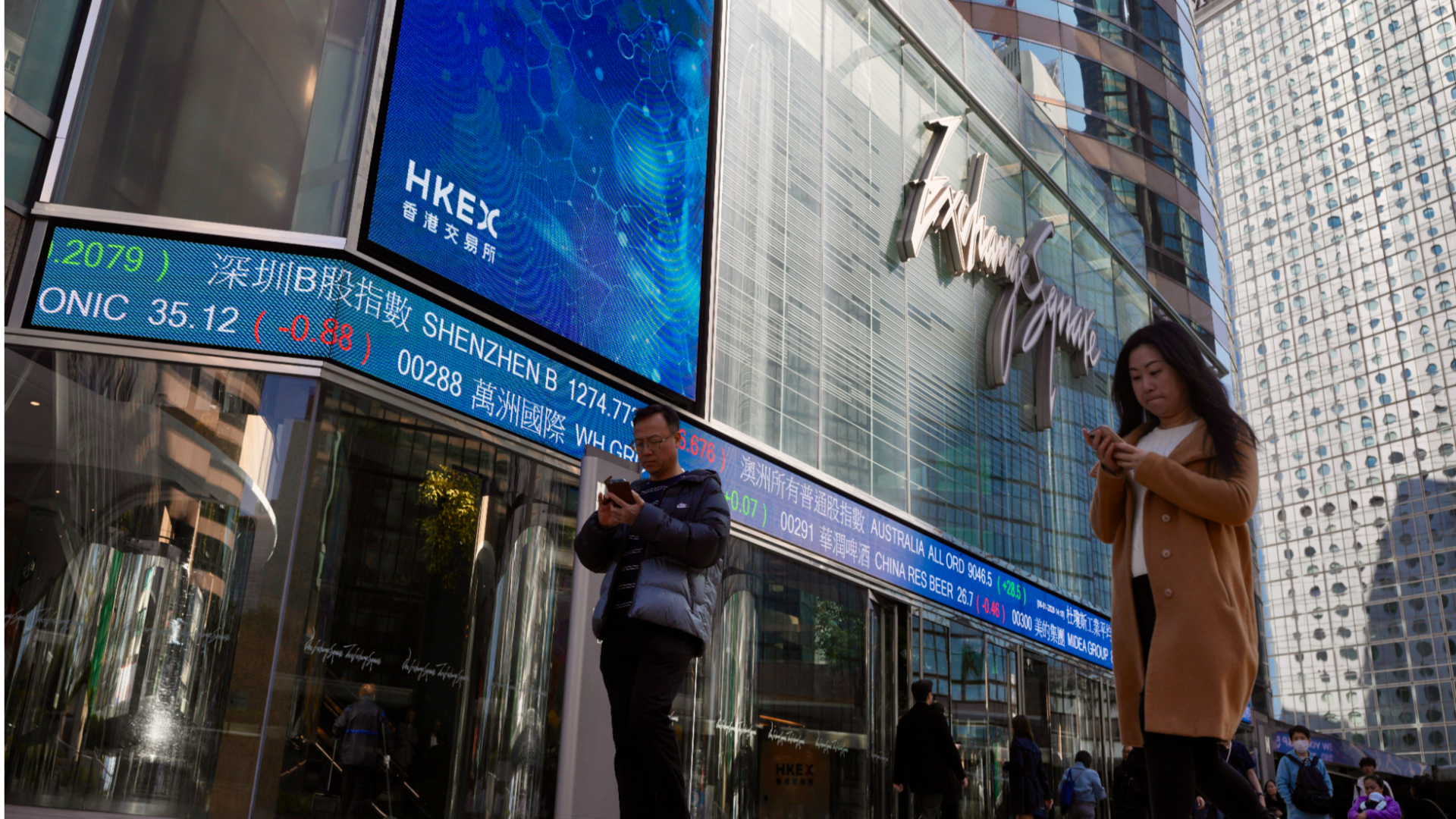
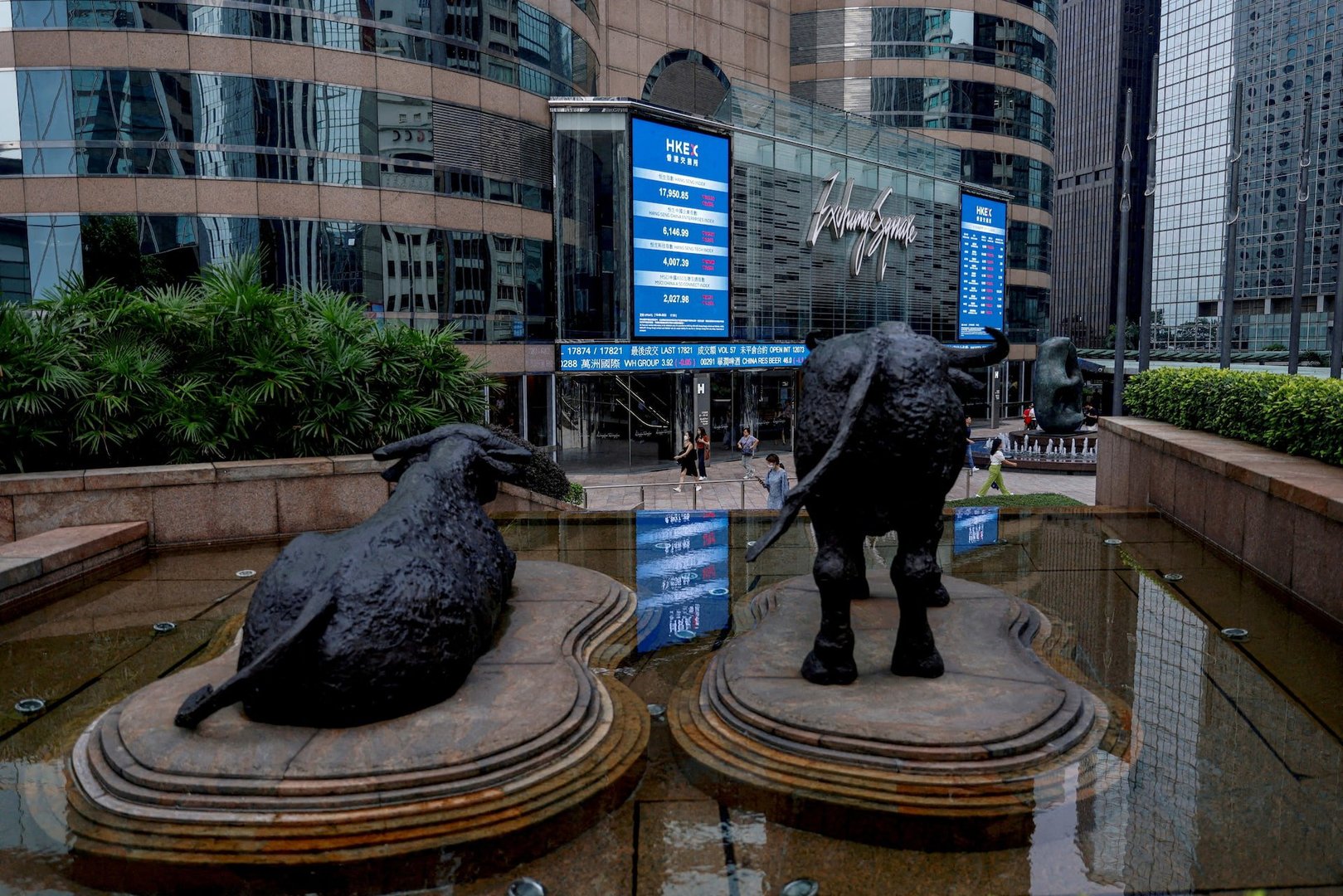
Equity markets in Hong Kong retreat ahead of key Chinese macroeconomic figures, with sentiment dampened by signs of slowing growth
Hong Kong’s stock market weakened as investors adopted a cautious stance ahead of the release of important economic data from China, reflecting growing concern about the trajectory of the world’s second-largest economy.

The benchmark Hang Seng Index retreated, with broad-based selling pressure evident across major sectors including technology and consumer-linked stocks, as market participants awaited fresh indicators that could illuminate China’s growth momentum and influence global market dynamics.

Recent Chinese data have pointed to decelerating retail and investment trends, contributing to investor anxiety over growth prospects and corporate earnings, particularly among equities most sensitive to economic cycles.

The slide in Hong Kong equities underscores the deep integration between the city’s markets and mainland China’s economic performance, as Shanghai and Shenzhen benchmarks also reflected sluggish sentiment.

Some analysts noted that previous rounds of economic figures showing retail sales and property-sector contractions had already tempered optimism about domestic demand, and markets were keenly positioned for upcoming data that could influence policy expectations.

Additionally, fading hopes of near-term interest-rate cuts by major central banks weighed on risk appetite, reinforcing a risk-off mood.

With traders awaiting fresh signals from Beijing’s economic releases, volatility in Hong Kong’s stock market is expected to persist until clearer prospects for growth and policy support come into view.
U.S. hedge fund Point72 significantly increases its Hong Kong footprint with a major lease in a prime Central skyscraper
U.S. hedge fund firm Point72 Asset Management has significantly expanded its office space in Hong Kong, leasing substantial floor area in The Henderson, a new landmark commercial tower in the city’s Central business district.

According to property and registry data, Point72’s Hong Kong subsidiary has taken multiple units on higher floors of The Henderson, increasing the firm’s footprint as part of its regional growth strategy.

The expansion follows an earlier lease of around 55,000 square feet across several floors of the building, marking a major upgrade from its previous headquarters space in another Central office tower.

The additional space comes as Hong Kong’s office market shows signs of recovery, with The Henderson nearing high occupancy rates and attracting global financial and professional services tenants.

The tower, developed by Henderson Land Development, has emerged as a key destination for international firms seeking modern, Grade-A office space, reflecting renewed confidence in the city’s commercial property sector.

Point72’s larger presence underscores its long-standing commitment to Asia, where its Hong Kong office serves as a key hub for investment operations across the region.

Market observers say the expansion signals optimism about Hong Kong’s role as a financial centre, even as the broader office market remains competitive.

By securing additional space in one of the city’s most prominent new buildings, Point72 is positioning itself to accommodate future growth and enhance its operational capabilities in Asia Pacific’s dynamic investment landscape.
OpenAI will test advertising in ChatGPT for free and low-cost users, marking a major shift in how the AI platform is funded and experienced
OpenAI has announced that advertising will soon appear inside ChatGPT conversations, a significant change to one of the world’s most widely used artificial intelligence platforms.

The company said it will begin testing ads for logged-in adult users in the United States who use the free version of ChatGPT, as well as a new lower-priced subscription tier called ChatGPT Go. The move marks OpenAI’s first formal step into advertising within conversational AI and reflects growing pressure to generate revenue at scale.

Ads will appear at the bottom of ChatGPT responses and will be labelled as sponsored content.

OpenAI stated that advertisements will not influence the answers ChatGPT provides and that users will be able to disable ad personalization based on their conversations.

The company also said it will not sell user conversations or personal data to advertisers.

The newly announced ChatGPT Go plan, priced at eight dollars per month, will include ads despite being a paid product, while higher-priced Plus, Pro, Business and Enterprise tiers will remain ad-free.

OpenAI said Go subscribers will receive additional features compared with free users, including longer memory and increased image generation.

Advertising will not be shown to users under eighteen or within conversations involving regulated topics such as health, mental health or politics.

The decision represents a notable reversal in tone from OpenAI leadership.

Chief executive Sam Altman has previously expressed discomfort with advertising in AI products, describing the combination as unsettling, but acknowledged that monetisation pressures could eventually require it.

OpenAI is seeking to support rapidly growing operating costs as it invests heavily in computing infrastructure and expands ChatGPT’s role in shopping, learning and everyday decision-making.

The company already allows users to purchase products through ChatGPT using integrated checkout tools, and advertising is expected to deepen its commercial capabilities.

While OpenAI emphasises that ads will be kept separate from model outputs, the change introduces new questions about how conversational AI platforms balance trust, intimacy and commercial incentives as they become embedded in daily life.
Major distillers confront record stockpiles of unsold whisky, cognac and tequila amid weakening consumer demand and economic headwinds
The global spirits industry is confronting an historic inventory glut as demand for key categories including Scotch whisky, cognac and tequila has declined sharply, leaving producers with an unprecedented volume of ageing stock on their books.

Major listed companies, among them Diageo, Pernod Ricard, Campari, Brown-Forman and Rémy Cointreau, now hold roughly twenty-two billion dollars worth of unsold spirits, the highest recorded in over a decade as producers struggle to rebalance supply and demand.

Diageo’s stockpile, centred on Scotch and American whiskey, has risen markedly, reaching eight point six billion dollars as of mid-2025, while Rémy Cointreau’s inventory of maturing cognac approaches its full market capitalisation and nearly doubles its annual revenue.

The root of the oversupply stems from pandemic-era expansion, when distillers substantially boosted production to meet surging global demand, only to see consumption slow as inflation squeezed disposable incomes, trend shifts toward moderation gained traction and consumer behaviour evolved.

The tequila segment, which experienced rapid growth over the past decade, also shows signs of strain, with inventory in Mexico exceeding half a billion litres, roughly equal to annual production levels, and much of it ageing without ready buyers.

Across the United States and Europe, recent sales data indicate further weakening: US spirits volumes declined more steeply toward the end of 2025, while French cognac exports reported double-digit year-on-year falls early in the downturn.

Producers have responded by cutting production, mothballing distilleries and reducing prices in an effort to clear stock, but these measures have heightened financial pressures, elevated debt levels and sparked concerns about potential price wars.

Debt ratios at some companies have risen above internal targets, reflecting the strain of carrying large inventories while revenue growth lags.

Analysts caution that sharply cutting production to reduce excess stock carries risks of future shortages if demand unexpectedly rebounds, given the long lead times required to mature aged spirits.

The slump has also been compounded by external factors such as tariffs on European cognac exports to key markets and weak holiday season demand in the United States.

While some categories of spirits and alternative beverages show pockets of resilience, the sector as a whole must navigate a complex mix of economic headwinds and structural shifts in consumption patterns, highlighting the challenges of long-term planning in a market with inherently delayed supply dynamics.
Authorities in Hong Kong freeze billions in assets tied to alleged Prince Group syndicate amid international crackdown on transnational fraud and money-laundering networks.
Hong Kong law enforcement has frozen assets worth approximately HK$2.75 billion, or roughly US$354 million, believed to be linked to an alleged international scam network connected to Chinese-Cambodian businessman Chen Zhi, police announced in early November as part of a widening cross-border enforcement effort.

The move follows coordinated actions by authorities in the United States and the United Kingdom to sanction and dismantle what they describe as extensive online scam operations and associated financial crimes that spanned multiple jurisdictions.

The frozen assets comprise cash, stocks and other financial holdings in Hong Kong identified through a wealth investigation targeting a syndicate alleged to have engaged in large-scale online “scam centres,” telecom fraud and money-laundering.

Local police said they analysed financial flows and information from multiple companies and bank accounts before determining that the assets were likely derived from criminal activity.

As of the announcement, no arrests in Hong Kong had been publicly confirmed.

The action against these assets adds to a series of global measures targeting Chen Zhi and the so-called Prince Group, which has been sanctioned by the United States and Britain over allegations of sophisticated investment scams, forced labour, illegal gambling and extensive money-laundering operations.

Authorities in Singapore and Taiwan also seized substantial financial holdings and properties earlier in the campaign.

The United States Department of Justice has pursued indictments and asset seizures as part of a broader effort to disrupt the syndicate’s international reach, including a landmark forfeiture of digital assets tied to the network.

In Hong Kong, regulators have also acted against companies associated with the group, with licences for certain related financial intermediaries temporarily revoked, and listed firms linked to Chen’s network seeing leadership changes amid regulatory scrutiny.

Police indicated they will continue collaborating with international partners, the banking sector and other stakeholders to combat the types of cross-border fraud and money-laundering schemes allegedly connected to the network’s operations.
Hong Kong real estate titan’s Shui On Land acquires Minhang district land rights in a strategic bet on Shanghai’s resilience and long-term growth.
Hong Kong real estate billionaire Vincent Lo has reaffirmed his long-standing strategic commitment to Shanghai with a fresh land acquisition in one of the city’s key suburban districts, underscoring confidence in the future of China’s property market.

In a filing to the Hong Kong Stock Exchange, Shui On Land, the flagship property company chaired by Lo, disclosed that a non-wholly owned subsidiary, Shanghai Zhaolou, agreed to pay 664.3 million yuan (about ninety-five million U.S. dollars) for land use rights in the Minhang district of Shanghai.

This move marks a new phase of investment in the city where Lo’s firm established its most iconic project, Xintiandi, a globally recognised urban renewal success.

The acquisition in Minhang, an established residential and commercial hub southwest of downtown Shanghai, reflects Shui On Land’s continued quest to balance legacy urban regeneration with forward-looking development opportunities.

Experienced investors and analysts alike view the commitment as part of a broader strategy to deepen presence in China’s highest-tier markets, even as the mainland property sector navigates a period of adjustment following regulatory tightening and slowing sales across the industry.

Prior investments in Shanghai — including landmark mixed-use and heritage-oriented developments — have contributed significantly to the group’s recurrent income streams and helped sustain performance through periods of economic volatility.

Lo, who has built his reputation on transformative projects that blend commercial success with cultural preservation, has emphasised a long-term view toward Shanghai’s evolution as a global city.

Under his leadership, Shui On Land has sought to expand its urban regeneration portfolio, adapt to changing consumer and investor preferences, and pursue selective land banking in targeted districts.

The Minhang acquisition is consistent with these aims and signals renewed confidence from one of Hong Kong’s most seasoned developers at a time when many competitors have retrenched.

The latest investment also follows Shui On Land’s broader asset-light and capital management strategies, which include selective disposals and joint ventures designed to optimise liquidity and strengthen financial resilience.

While the property sector in China continues to confront uneven demand, strategic land rights purchases in core and emerging sub-markets like Minhang suggest that Lo and his team see enduring opportunity in Shanghai’s urban trajectory.

The acquisition is expected to support future mixed-use projects that align with the city’s evolving economic and lifestyle landscape.
Kazakh tech companies and specialists demonstrate advancing AI-driven security solutions amid rising global digital demand
Delegations from Kazakhstan’s rapidly expanding artificial intelligence sector presented their latest AI-driven security technologies at a major cybersecurity forum in Hong Kong, underscoring the country’s growing role in global digital security and innovation.

The presentations featured cutting-edge solutions for cyber threat detection, network defense, and secure digital communication tailored to enterprise and government needs, reinforcing Kazakhstan’s ambition to be recognised as a competitive contributor to international cyber resilience.

The Hong Kong event convened regional leaders in cybersecurity — including government officials, private sector executives and technology innovators — to explore how artificial intelligence can strengthen digital infrastructure against increasingly sophisticated attacks.

Discussions emphasised collaboration between AI research and cyber defense to counter emerging threats in network and cloud environments, and Kazakhstan’s specialists showcased their home-grown approaches within this context.

Kazakhstan’s broader digital strategy includes legislative and infrastructure initiatives designed to accelerate AI adoption across sectors, enhance national cybersecurity capacity, and promote innovation ecosystems that support local developers and startups.

In recent years, the government has adopted a comprehensive AI law and established institutions such as the International Center for Artificial Intelligence (Alem.ai) to foster research, talent development and international partnerships.

These developments have positioned the country as a rising hub for technology solutions spanning secure communications, financial security, smart city infrastructure and public services.

Participants at the Hong Kong forum welcomed the Kazakh contributions, noting that robust AI-driven security tools are increasingly vital for safeguarding economic and digital assets in an era of rapid technological change.

Kazakhstan’s engagement in such global industry events reflects the country’s proactive approach to integrating advanced AI and cybersecurity expertise with international markets.
China’s representative in Hong Kong decries U.S. legislative efforts targeting Hong Kong Economic and Trade Offices as interference in internal affairs
A senior spokesperson for the Office of the Commissioner of China’s Ministry of Foreign Affairs in the Hong Kong Special Administrative Region has issued a forceful denunciation of recent actions by United States lawmakers seeking to strip Hong Kong’s Economic and Trade Offices of their privileges and immunities in the United States.

The statement criticised the reintroduction of legislation that would require the U.S. State Department to review and potentially revoke the diplomatic status of the Hong Kong Economic and Trade Offices — permanent representative bodies promoting Hong Kong’s commercial and cultural ties in cities including Washington, New York and San Francisco — as unfounded and politically motivated.

U.S. representatives, led by a bipartisan group in Congress, have advanced a version of the Hong Kong Economic and Trade Office Certification Act that would obligate the U.S. president to determine whether the offices merit the special treatment historically afforded under U.S. law and could lead to the termination of their operations if they fail to meet criteria linked to Hong Kong’s autonomy.

Beijing’s liaison office responded that these efforts “smear” the city’s governance framework, undermine normal bilateral exchanges, and constitute unwarranted interference in China’s internal affairs.

The statement asserted that the Hong Kong Economic and Trade Offices play a constructive role in fostering economic, trade and cultural cooperation between Hong Kong and the United States and that questioning their legitimacy runs counter to the principles of international law and established norms governing interstate relations.

A spokesperson warned that continued pursuit of this legislative agenda would elicit “resolute countermeasures” and urged U.S. politicians to reconsider what Beijing described as their “political self-interest” in targeting Hong Kong’s status.

The controversy unfolds against a backdrop of longstanding U.S. scrutiny of Hong Kong’s governance since the implementation of the national security law, with critics in Washington arguing that Beijing’s influence has eroded the city’s autonomy and justified reevaluation of its institutions.

Supporters of the bill in the U.S. Congress contend that reassessing the privileges of the trade offices is necessary given changes in Hong Kong’s political landscape, though these arguments have been emphatically rejected by Chinese and Hong Kong authorities.
Hong Kong Monetary Authority transitions Project Ensemble into live real-value transactions with banks and asset managers, marking a milestone in digital finance development
The Hong Kong Monetary Authority has launched the pilot phase of Project Ensemble, enabling live, real-value transactions using tokenized deposits and digital assets in a controlled environment.

The initiative, known as EnsembleTX, represents a critical shift from experimental sandbox testing to operational financial activities, with the pilot scheduled to run through 2026. EnsembleTX builds upon the Ensemble Sandbox, which since August 2024 allowed participating banks and industry partners to experiment with end-to-end digital asset settlement using experimental tokenized deposits.

Under the new pilot, commercial banks and other financial institutions can effect actual transactions that carry commercial value, with initial use cases focusing on tokenized money-market fund trades and real-time liquidity and treasury management.

Interbank settlement will be facilitated initially by Hong Kong’s existing Hong Kong dollar Real Time Gross Settlement system, with a planned upgrade toward 24/7 settlement using tokenized central bank money.

HSBC has completed one of the first live transactions on the platform, processing a cross-bank transfer of tokenized deposits valued at approximately HK$3.8 million for its client Ant International.

Standard Chartered Bank (Hong Kong) has also executed real-value use cases, including interbank tokenized deposit transfers and the use of tokenized deposits to subscribe to a tokenized money-market fund.

Seven commercial banks, asset managers, payment networks and fintech firms are participating in EnsembleTX, underscoring broad industry engagement.

The HKMA has emphasized that the concepts and frameworks tested in the sandbox are now being applied in tangible real-value settings, delivering practical benefits for market participants and reinforcing Hong Kong’s role as a leader in digital finance innovation.

The Securities and Futures Commission is collaborating with the HKMA to advance interoperability and broaden applications of tokenization across diverse asset classes and financial sectors, further positioning Hong Kong as a regional hub for next-generation financial infrastructure.
Young Hong Kong fencers maintain strong international form with historic podium finishes and continued competitive results at global junior and cadet events.
Hong Kong’s young fencing contingent has continued to shine on the global stage, maintaining its strong medal presence at recent Fédération Internationale d’Escrime (FIE) Junior and Cadet World Cup competitions.

Hong Kong athletes have delivered standout performances, achieving historic podium finishes and demonstrating the depth and progress of the city’s developing fencing programme.

At the World Junior and Cadet Fencing Championships held in Wuxi, China in April, the Hong Kong men’s junior epee team captured a landmark bronze medal, marking the first time the city’s team reached the podium in that category at the championships.

This achievement underscores the rising level of Hong Kong’s junior epee squad and adds to its growing list of international successes.

In addition, Hong Kong’s cadet women’s epee competitor Wu Haidi secured a third-place finish in the individual event, further contributing to the team’s overall medal tally.

Earlier in the season, Hong Kong fencers also upheld the city’s tradition of strong results at FIE Junior World Cup stages.

Seventeen-year-old foil talent Lam Ho-long delivered a notable performance by advancing to the semifinals at a Junior World Cup stop in Croatia and ultimately earning a bronze medal, becoming one of the few Hong Kong male foilists to reach the podium at such an event.

In the sabre discipline, Hong Kong’s young sabreurs, including Hsu Jia-huan Kenton, Lee Chun-lin, Tse Kwong-wan and Wong Chi-ho, produced an inspiring run in the team event at a Bulgarian Junior World Cup, ultimately capturing the team bronze by overturning a deficit against the United States in a dramatic comeback.

These results continue a broader pattern of international success for Hong Kong’s junior and cadet fencers, who have consistently contributed multiple medal performances across major regional and global competitions in recent seasons.

While in some events Hong Kong competitors faced strong opposition and narrowly missed further medals, their overall progression and podium consistency reflect the effectiveness of ongoing youth training and development efforts.

The sustained medal presence in FIE-sanctioned junior and cadet events highlights Hong Kong’s emerging strength in fencing and its potential to cultivate future world-class athletes.
Sporadic incidents in which officers have fired on duty underscore strict firearm protocols and exceptional threat scenarios in Hong Kong
Hong Kong police officers discharge firearms only in highly unusual and extreme situations, under strict protocols governing the use of lethal force when there are imminent threats to life.

Shootings by police have been infrequent in the city’s recent history, reflecting both rigorous training and stringent rules on firearm deployment.

Most incidents that have drawn attention involve a lone suspect armed with a weapon who ignored repeated warnings and presented a clear danger to officers or civilians, prompting an officer to open fire as a last resort.

One notable case occurred in September 2024 when a man in North Point attacked family members with bladed weapons and charged at officers.

After issuing repeated warnings, the responding officer discharged his service weapon, fatally wounding the assailant.

Police defended the decision as consistent with departmental policy, which permits firearm use only when there is no viable alternative and there is an immediate threat to life.

That episode was widely cited in public discussion of the force’s firearm guidelines and training standards.

The Hong Kong Police Force emphasises that officers receive extensive preparation in de-escalation and firearms discipline, and that the use of lethal force is always subject to internal review and potential legal scrutiny.

Historical records show that such use of firearms by Hong Kong police remains extremely rare relative to the volume of law enforcement operations in the city.

Decades-past events include instances where officers fired in self-defence against violent suspects, but these are notable precisely for their scarcity and the serious circumstances in which they occurred, such as violent confrontations or imminent threats.

The city’s policing policies are designed to prioritise preservation of life, with live fire deployed only when other means cannot neutralise an immediate danger.

The rarity of shootings illustrates both the restraint exercised by the force and the unique conditions that must be met for an officer to justify the discharge of a firearm while on duty.
China and Hong Kong authorities strongly condemn U.S. legislative efforts to revoke privileges of Hong Kong’s trade representation in the United States
Chinese and Hong Kong authorities have issued emphatic denunciations of a recently advanced United States Senate bill that seeks to subject Hong Kong’s Economic and Trade Offices in the United States to review and potential closure, framing the proposal as malicious interference in sovereign affairs and an affront to international norms.

The legislation, introduced by a bipartisan group of U.S. senators, would require the President of the United States to determine whether Hong Kong’s representative offices in Washington, New York and San Francisco should retain their diplomatic privileges and immunities.

If the White House determines the offices do not merit continued status, they could be forced to cease operations within six months.

Beijing’s Commissioner's Office of the Chinese Foreign Ministry in the Hong Kong Special Administrative Region issued a forceful statement criticising the bill as an unreasonable and politically driven attempt to undermine Hong Kong’s legitimate external engagement and to smear the city’s status as an international trade and economic hub, urging United States lawmakers to “stop maliciously interfering in the affairs of the Hong Kong Special Administrative Region” and respect basic norms governing international relations.

Officials reiterated that the Hong Kong Economic and Trade Offices play a constructive role in fostering economic cooperation and cultural exchange between Hong Kong and the United States and that their lawful operation under the “one country, two systems” principle should not be subject to unilateral disruption.

Hong Kong’s government echoed these objections, emphasising that the proposed legislation mischaracterises the offices’ functions and could harm bilateral commercial ties.

SAR government representatives stressed that Hong Kong continues to uphold the rule of law and protect the rights and freedoms of residents in accordance with its legal framework, and that the trade offices serve vital economic and diplomatic purposes within that context.

Analysts noted that critics of the bill argue it reflects broader geopolitical tensions and that any action to curtail the offices’ privileges could have adverse repercussions for U.S.–Hong Kong economic relations.

The Senate measure follows earlier efforts in the U.S. House of Representatives to legislate enhanced scrutiny over Hong Kong’s representation and must still clear both chambers of Congress before it can be enacted.
British government rebukes cash incentives issued by Hong Kong authorities for information leading to the arrest of pro-democracy activists abroad
The United Kingdom government has issued a forceful condemnation of recent cash rewards offered by Hong Kong authorities for information that could lead to the arrest of pro-democracy activists residing overseas, framing the initiative as an alarming example of transnational repression and a threat to fundamental freedoms.

British Foreign Secretary David Lammy and Home Secretary Yvette Cooper released a joint statement decrying the financial incentives announced by the Hong Kong Police Force, which range from approximately twenty-five thousand to one hundred and twenty-five thousand U.S. dollars depending on the individual sought.

The authorities in the semi-autonomous city issued warrants for nineteen activists, accusing them of violating a stringent national security law imposed by Beijing in 2020, and have publicly offered rewards for tips that would aid in their apprehension.

The UK officials characterised the move as an attempt to target opposition voices on British soil and urged both Hong Kong and Chinese authorities to cease actions against individuals legally residing in the United Kingdom.

The British statement reaffirmed the UK government’s commitment to uphold the rights, freedoms and safety of those from Hong Kong who have settled in Britain, including under the special visa scheme introduced in 2021 that has seen around one hundred and fifty thousand residents relocate to the UK. Lammy and Cooper’s remarks underscored concern that such bounties set an unwelcome precedent by encouraging activity within the UK that could endanger individuals and erode legal protections.

The announcement came amid broader diplomatic tensions over civil liberties in Hong Kong, particularly in light of the national security law and its extraterritorial reach as asserted by Hong Kong authorities.

London’s response emphasised that it remains resolute in defending democratic principles and in safeguarding dissidents who have established new lives abroad.

Critics of the national security law maintain that the broad scope of its provisions has been used to suppress dissent and curtail freedoms that were promised under the “one country, two systems” framework following Hong Kong’s 1997 handover.

The UK government’s denunciation of the reward offers reflects mounting international unease about the security law’s application beyond Hong Kong’s borders, with Western governments repeatedly accusing Beijing and Hong Kong authorities of undermining the city’s autonomy and legal protections.

British ministers articulated that support for Hong Kong residents in the UK extends to protecting their civil liberties and resisting efforts that, in their view, jeopardise those rights.

Hong Kong and Chinese officials have defended the national security measures as necessary for stability and have labelled foreign criticism as interference in internal affairs.
The Hong Kong flag carrier celebrates eight decades of operations with strategic growth, new routes and a modernised fleet as it strengthens its role in international aviation
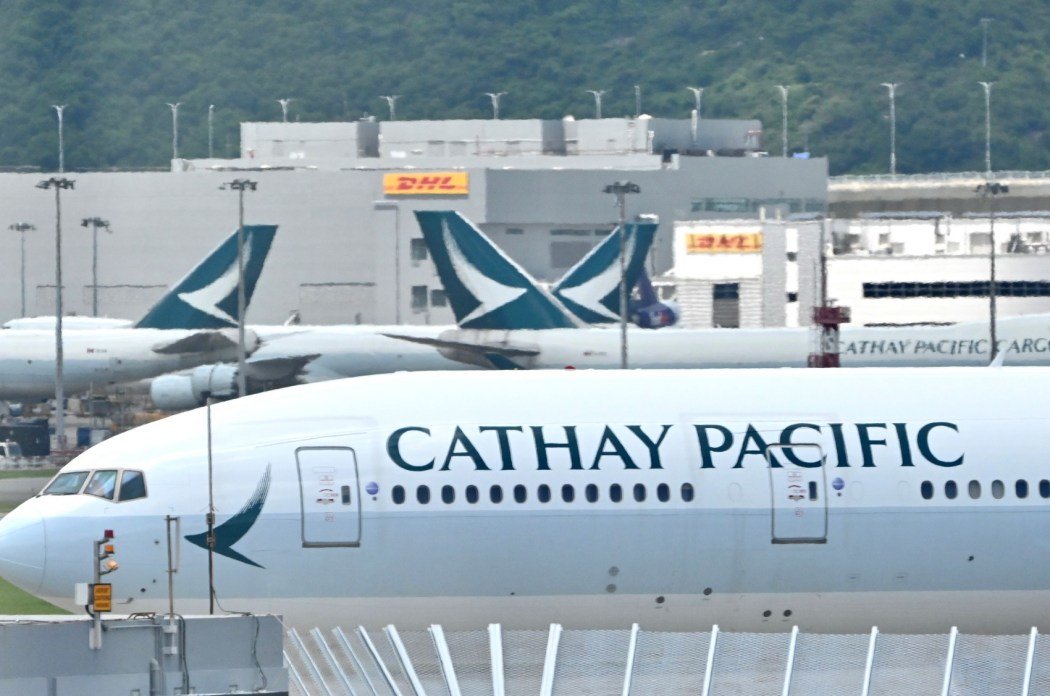
Cathay Pacific Airways is celebrating the eightieth anniversary of its founding this year, marking eight decades of continuous service from its base in Hong Kong to destinations across Asia, Europe, North America and beyond.

Since its inaugural flight in 1946, the airline has grown from a boutique regional carrier to one of the world’s most respected international airlines, known for its service quality, operational resilience and strategic position at the heart of global air travel.

In recent years the airline has navigated unprecedented challenges posed by the global pandemic and regional travel restrictions, emerging with an updated fleet and renewed strategic focus.

Cathay Pacific has accelerated plans to modernise its aircraft with new, fuel-efficient wide-body jets and has added a number of long-haul services aimed at reconnecting Hong Kong with key business and leisure markets.

At the same time, the carrier has reaffirmed its commitment to Hong Kong’s status as a leading international aviation hub, expanding partnerships with airlines and cargo operators to capture growing demand for passenger and freight services.

The company’s leadership has emphasised that the eightieth anniversary is not just a moment of reflection but a launchpad for future growth.

Executives highlighted investments in digital customer experiences, enhanced loyalty schemes and sustainability initiatives that align with broader industry goals to reduce carbon emissions and improve operational efficiency.

Cathay Pacific’s passenger network has been steadily restored to pre-pandemic levels, with increasing frequencies to North America and Europe and the introduction of services to new Asian destinations, reflecting the carrier’s strategic balance of heritage and innovation.

As the airline looks ahead, it faces evolving competitive dynamics in the Asia-Pacific region, including the rise of low-cost carriers and expanded offerings from Gulf and mainland Chinese airlines.

Cathay Pacific’s response has emphasised its full-service positioning, premium amenities and deep integration with the Hong Kong travel market.

The eighty-year milestone offers a timely reaffirmation of the airline’s historical legacy while setting a course for sustained relevance and leadership in the global aviation industry.
Beijing’s unmanned aircraft briefly entered Taiwanese sovereign airspace over Pratas Island, highlighting rising tensions and defence challenges
A Chinese high-altitude surveillance drone penetrated Taiwan’s sovereign airspace over the strategic Pratas Islands in the South China Sea on January 17, 2026, marking the first publicly confirmed incursion by an unmanned aerial vehicle of this type, according to Taiwanese defence officials.

The Chinese military’s Guizhou WZ-7 “Soaring Dragon,” a long-endurance reconnaissance drone, entered the airspace for approximately four minutes before departing after warnings were broadcast via international radio channels by Taipei’s authorities.

Taiwan’s defence ministry stated the drone flew at an altitude beyond the reach of its current surface-to-air defences, underscoring gaps in the island’s ability to counter advanced unmanned systems.

The incursion occurred in the vicinity of Pratas Island, known locally as Dongsha, an area of disputed control in international waters that is administered by Taiwan but claimed by Beijing as part of its broader territorial assertions.

Analysts observed that the operation could be intended to demonstrate China’s capacity to challenge Taiwan’s airspace and probe defensive limitations without triggering a broader kinetic response.

Pratas has limited air defences, and the featured WZ-7 drone’s high-altitude capability places it beyond the effective engagement envelope of Taiwan’s systems stationed there.

Taipei’s military refrained from engaging the drone, instead relying on radio warnings and surveillance tracking to monitor the flight.

Officials reiterated their commitment to de-escalation but emphasised that any unauthorised entry of Chinese military aircraft or drones into Taiwan’s territorial airspace could be treated as a hostile act.

The incident has drawn attention to the increasing frequency and sophistication of People’s Liberation Army activities near Taiwan, which have included drone sorties and aircraft patrols in adjacent airspace.

The United States, bound by domestic law to support Taiwan’s self-defence, has underscored its commitment to supplying defensive capabilities to Taipei, though it has also urged restraint from both sides to avoid unintended escalation.

As tensions persist, defence planners in Taipei are evaluating additional measures to strengthen airspace monitoring and response capabilities against unmanned threats.

The Chinese government’s Southern Theatre Command described the flight as part of “normal drone flight exercises” around what Beijing calls its Dongsha territory, asserting the legality of the operation.

Beijing continues to frame such activities as routine exercises, even as they raise strategic and diplomatic concerns in Taipei and among regional partners about the trajectory of cross-strait relations and the risk of encroachments upon Taiwanese sovereignty.
The S2000, the world's first megawatt-scale airborne wind power system, rose 2000 meters above Yibin, Sichuan, generating electricity and connecting to the power grid for the first time.


The low-speed self-driving vehicles carry passengers short distances and are powered by hydrogen fuel cells, producing only water as emissions


Government strategy links global benchmarks with local regulation to support growth in artificial intelligence, fintech and advanced digital services
Hong Kong is positioning international standards at the centre of its strategy to accelerate the adoption of emerging technologies, as the government seeks to strengthen trust, interoperability and market readiness across fast-growing digital sectors.

Officials say aligning local frameworks with globally recognised benchmarks will help businesses deploy new technologies more quickly while ensuring safety, reliability and international acceptance.

The approach is being advanced as Hong Kong pushes to expand applications of artificial intelligence, blockchain, smart manufacturing and advanced data services across both the public and private sectors.

Authorities have emphasised that internationally recognised standards provide a common technical and ethical foundation, reducing uncertainty for developers and investors while facilitating cross-border collaboration and trade.

By referencing established global norms rather than creating fragmented local rules, Hong Kong aims to shorten development cycles and lower compliance barriers for companies operating in multiple jurisdictions.

The government has highlighted ongoing cooperation with international standards bodies and industry groups to incorporate best practices into local guidelines, testing frameworks and certification schemes.

These efforts are being paired with investment in infrastructure, talent attraction and regulatory sandboxes that allow firms to trial new technologies under supervised conditions.

Officials argue that standards-driven adoption is particularly important for technologies such as artificial intelligence, where issues of data governance, transparency and system reliability directly affect public confidence and commercial scalability.

Industry representatives have broadly welcomed the strategy, noting that clear alignment with international standards makes Hong Kong a more attractive base for regional and global technology deployment.

As emerging technologies continue to evolve rapidly, policymakers see standards not as constraints but as enablers that allow innovation to move from pilot projects to widespread, trusted use.

The government has signalled that further initiatives will be rolled out to deepen standards adoption and reinforce Hong Kong’s role as a regional hub for responsible and commercially viable technology innovation.
The Henderson’s 90% occupancy underscores improving demand even as broader vacancy rates remain elevated amid continuing structural shifts
The latest evidence of an improving office property market in Hong Kong has emerged with The Henderson, a newly completed landmark tower in the city’s Central business district, reporting approximately 90 per cent occupancy only one and a half years after welcoming tenants.

Developed by Henderson Land, the 36-storey building has attracted a range of high-profile occupants, including auction house Christie’s, investment firms such as Point72 and General Atlantic, and international law practices, signalling growing interest in premium workspace even as overall market conditions remain mixed.

The strong leasing performance at The Henderson suggests that demand for prime office space is gathering pace, aligning with data showing elevated net take-up of office properties across the market that reached about 1.73 million square feet in 2025 — the highest level since 2018 — particularly in Central-Admiralty and Kowloon West.

At the same time, broader vacancy rates in the city’s office sector have remained high, with overall vacancy rising to roughly 17.5 per cent due to an influx of new supply and ongoing structural adjustments in post-pandemic demand patterns.

Rents for Grade A office space, which had declined significantly in recent years, showed signs of stabilising, with declines slowing markedly in the second half of 2025 and continuing into 2026. Industry observers say this dynamic reflects a “flight to quality,” with tenants favouring modern, well-located buildings over older stock, contributing to more robust performance at new developments like The Henderson.

Market analysts further note that while oversupply and rent pressures persist, leasing activity — particularly from financial, professional and emerging sector firms — is improving, and landlords are increasingly offering flexible leasing terms to attract and retain tenants amid evolving workplace strategies.

The contrast between strong occupancy at select premium assets and ongoing challenges elsewhere highlights a nuanced recovery, in which high-specification office space in core locations leads the upturn even as the rest of the market continues its recalibration under the influence of new supply additions and shifting occupier preferences.
Bipartisan legislation would require annual review of Hong Kong Economic and Trade Offices’ status and could lead to closure if autonomy benchmarks are not met
U.S. lawmakers have reintroduced legislation that could significantly alter how Hong Kong’s representative economic and trade offices operate across the United States.

The Hong Kong Economic and Trade Office (HKETO) Certification Act — now reintroduced in the 119th Congress and previously passed in the House of Representatives — would obligate the U.S. State Department to regularly assess whether the three Hong Kong Economic and Trade Offices in Washington, New York and San Francisco continue to merit diplomatic-like privileges, exemptions and immunities granted under U.S. law.

Under the bill’s terms, if the president, relying on an annual certification of Hong Kong’s autonomy from Beijing, determines that such privileges are no longer justified, the offices would be required to terminate operations within 180 days of the certification.

The legislation reflects congressional concern that diminished judicial independence and expanded control by the central government in Beijing undermine the premise on which such benefits were originally extended.

Proponents from both parties argue the measure ensures U.S. foreign policy is aligned with current realities in Hong Kong and would prevent representative offices that act as proxies for the Chinese Communist Party from enjoying special status on U.S. soil.

The bill’s House version has attracted strong bipartisan support, passing with an overwhelming majority, and its reintroduction signals renewed momentum this session.

Critics of the bill, including the Hong Kong Special Administrative Region government, have condemned the initiative as political interference that could harm bilateral economic and trade ties, noting longstanding commercial relations and significant American business interests in Hong Kong.

They warn that stripping privileges or closing the HKETOs could disrupt cooperation that has been mutually beneficial.

The outcome will depend on further congressional action and, ultimately, the president’s certification process, as well as how both the U.S. and Hong Kong governments respond to evolving legislative scrutiny of these offices’ operations and affiliations.
New Port Community System harnesses AI and blockchain to provide real-time tracking and streamline logistics across sea, land and air
The Hong Kong government has officially launched a digital Port Community System designed to provide comprehensive, real-time cargo tracking and enhance the efficiency and transparency of logistics operations, with more than 2,300 firms already registered to use the platform.

The system, unveiled by Secretary for Transport and Logistics Mable Chan at a ceremony on January 16, integrates logistics data across maritime, land and air transport and applies artificial intelligence and blockchain technologies to enable instantaneous tracking services and value-added capabilities.

Chan said the platform is a foundational element of Hong Kong’s ambition to strengthen its position as a global trade, maritime and logistics hub, and reflects close collaboration between government and industry stakeholders.

Under the new regime, registered logistics operators, freight forwarders and shippers can access unified information on cargo movement and alerts, which authorities say will reduce data fragmentation and improve supply-chain visibility.

The system also forms part of the Hong Kong Monetary Authority’s “Project CargoX,” which aims to use logistics data to enhance trade finance, offering small and medium-sized enterprises new avenues to secure financing by linking logistics data with financial services.

In addition to tracking functions, the Transport and Logistics Bureau plans to work with the Customs and Excise Department on digitalising inspection and detention notifications to further boost customs clearance efficiency.

Industry representatives have welcomed the initiative as an important step in modernising logistics operations and facilitating faster, more transparent cargo handling.

Officials said future plans include expanding offshore tracking to connect Hong Kong’s ports more closely with international shipping networks, further reinforcing the city’s integrated logistics infrastructure and global connectivity.
H shares held by the public stand at roughly 22.6%, undercutting the Exchange’s ongoing minimum requirement of 25%
Beijing Saimo Technology Co., Ltd. has disclosed that its public float — the proportion of H shares held by public investors — currently sits at approximately 22.58 per cent, falling short of the Hong Kong Stock Exchange’s ongoing minimum threshold of 25 per cent.

The company’s stock, listed under code 2571.HK following its January 2025 initial public offering on the main board, recorded this level of public shareholding in a regulatory filing issued on January 16. The shortfall stems from roughly 3.226 million shares, accounting for about 2.42 per cent of the company’s issued share capital, being held by Bank of China International Trust (Hong Kong) Limited in trust under the firm’s 2025 H-share award trust for non-core connected persons.

Because these shares have not yet been granted to participants under the incentive plan, they are not considered part of the public float for regulatory purposes.

Under the Stock Exchange’s Listing Rules, at least 25 per cent of a listed company’s issued shares must be held by the public to ensure an open market, although alternative thresholds may apply in some cases where market value conditions are met.

Saimo’s disclosure of its public holding below the prescribed level triggers heightened scrutiny and may require remedial measures within a specified timeframe, including seeking to increase the proportion of freely tradable shares.

The company, which specialises in simulation and testing technologies for intelligent connected vehicles and marked its listing success last year with substantial capital raised, is monitoring its share register and engaging with advisors to address the public float gap.

Investors and market watchers will be attentive to how Saimo navigates the ongoing requirements and any actions it may take to restore compliance with the Exchange’s public float standards, which are designed to underpin liquidity and market integrity.
Inaugural AI summit at Science Park underscores the city’s accelerated push to lead in artificial intelligence, research, and international technology collaboration
Hong Kong has significantly reinforced its ambition to become a leading global technology and artificial intelligence hub by hosting a major AI summit and highlighting ambitious policy and infrastructure commitments.

On January 16, the city launched the inaugural 2026 WAIC Up! Global Summit at the Hong Kong Science Park, drawing government officials, industry experts and international delegates to explore the role of AI in economic growth, social inclusion and technological progress.

Chief Executive John Lee emphasised that artificial intelligence must underpin both innovation and sustainable development, stressing government investment, strategic infrastructure and an open market as core pillars of Hong Kong’s tech strategy.

Secretary for Innovation, Technology and Industry Sun Dong outlined ongoing enhancements to the city’s computing power — now reaching a combined capacity of five thousand petaflops — and pointed to the expansion of advanced data facilities designed to support AI and data industries.

These developments dovetail with broader efforts to cultivate talent by including AI specialists on official talent lists, simplifying pathways for global experts to work in Hong Kong.

Additional events and initiatives have reinforced this trajectory.

Earlier summits, such as the inaugural Semiconductor Innovation and Intelligent Application Summit co-hosted by the Hong Kong University of Science and Technology and SEMI, brought together more than six hundred leaders from research, industry and government to drive collaboration on semiconductor breakthroughs and intelligent applications.

Partnerships between major technology firms and local incubators — such as the AI Partnership Programme co-organised by Microsoft Hong Kong and Cyberport — are nurturing local start-ups and facilitating the adoption of AI solutions across sectors.

Policy measures outlined in the government’s recent address, including the establishment of a HK$3 billion Frontier Technology Research Support Scheme and the creation of a Hong Kong AI Research and Development Institute, aim to catalyse both foundational research and practical commercialisation.

These developments — spanning global summits, cross-sector collaborations and enhanced R&D investment — signal Hong Kong’s concerted effort to embed AI and advanced technologies at the centre of its economic and innovation identity, positioning the city as a vibrant nexus for international technology exchange, research excellence and industry leadership.
Henley Passport Index shows significant mobility gains for Hong Kong Special Administrative Region passport holders with entry to 171 destinations
Hong Kong’s Special Administrative Region passport has risen three places in the latest global mobility ranking, placing 15th worldwide with visa-free access to 171 jurisdictions, according to the 2026 Henley Passport Index.

This marks a notable improvement from the previous year and reflects expanded travel privileges for holders of the HKSAR passport, which now benefits from extensive international entry arrangements.

The index, compiled using data from the International Air Transport Association, ranked Singapore first for the third consecutive year, with its passport offering visa-free entry to 192 destinations, while Hong Kong’s passport now ranks alongside Andorra in the 15th spot.

The Hong Kong Immigration Department’s official figures show that 174 countries and territories grant visa-free or visa-on-arrival access to HKSAR passport holders, underscoring the document’s broad utility despite some methodological differences between official counts and the index’s criteria.

While Hong Kong still trails regional leaders such as Japan and South Korea, which occupy second place with access to 188 destinations, the city’s passport mobility has strengthened amid incremental diplomatic and bilateral travel agreements.

Recent enhancements to visa-free arrangements — including expanded access to nations in the Gulf and extended visa-free periods in destinations across Asia — have contributed to the passport’s improved standing and reflect ongoing efforts to facilitate travel and deepen international ties.

As global mobility trends evolve, Hong Kong’s rising passport ranking highlights growing ease of international movement for its residents and enhances the SAR’s connections with markets and cultural partners worldwide.
From commerce and culture to public service, South Asian communities continue to hold a distinctive and influential place in the city’s evolution
South Asian communities occupy a singular and deeply rooted position in Hong Kong, reflecting a presence that predates the city’s modern skyline and continues to shape its identity today.

Families with origins in India, Pakistan, Nepal and Sri Lanka have been part of Hong Kong’s development since the nineteenth century, contributing to trade, policing, logistics and civic life during the colonial era and remaining integral to the city’s global character in the decades since.

Their historical role laid foundations for Hong Kong’s emergence as an international trading hub, with South Asian merchants, financiers and professionals acting as early connectors between China, Europe and the wider world.

In contemporary Hong Kong, South Asians remain prominent across sectors ranging from finance and entrepreneurship to education, healthcare and the creative industries.

Generations born and raised in the city increasingly identify as both Hongkongers and members of their ancestral cultures, navigating multilingual environments that include English, Cantonese and heritage languages.

This hybrid identity has enriched Hong Kong’s cultural landscape, evident in neighbourhoods, religious institutions, cuisine and festivals that coexist alongside local traditions.

The city’s government has in recent years placed greater emphasis on integration and opportunity, expanding language support, educational pathways and employment initiatives aimed at ethnic minority communities.

These measures reflect recognition that social cohesion and economic competitiveness are strengthened when long-standing minority populations are fully included.

At the same time, challenges persist, particularly in education access and upward mobility, prompting ongoing dialogue between community leaders, policymakers and civil society groups.

South Asians’ unique place in Hong Kong lies not only in their historical contributions but also in their evolving role as a bridge between cultures in a city defined by openness and global exchange.

As Hong Kong continues to position itself as an international hub connecting China with the world, the experiences and talents of its South Asian residents remain a vital part of that story.
New arrangements allow children aged seven and above from both special administrative regions to use each other’s e-Channel and automated gates from January nineteenth
Hong Kong and Macao have jointly introduced new immigration clearance measures that significantly expand access to automated border channels for residents of both special administrative regions.

Effective January nineteenth, the minimum age for permanent residents of Hong Kong and Macao to use each other’s automated immigration clearance systems — including Hong Kong’s e-Channels and Macao’s two-gate automated channels — has been lowered from eleven to seven years old.

The measure, agreed by the Hong Kong Immigration Department, Macao’s Public Security Police Force, Identification Services Bureau and the Public Security Forces Affairs Bureau, aims to streamline cross-border travel and enhance convenience for families, commuters and students who regularly traverse the Pearl River Delta.

Under the new regime, eligible children aged seven to ten may enrol at designated enrolment offices with a parent or guardian and, following successful registration, use the automated border-clearance facilities of the other jurisdiction within about thirty minutes.

The enhancements also relax enrolment requirements for non-permanent residents aged eighteen or above, who may complete self-service enrolment for the other side’s automated systems at newly accessible kiosks or designated control points, then begin using the channels within approximately three hours.

To align with the expanded eligibility, Macao will extend its “joint inspection automated channels” and iris recognition services to Hong Kong permanent residents aged seven to ten, further improving the border-crossing experience for younger travellers.

Authorities highlighted that these reforms support broader regional integration under the Guangdong-Hong Kong-Macao Greater Bay Area development plan and reflect ongoing cooperation to modernise immigration procedures.

The streamlined access to automated clearance is expected to reduce queuing times, especially at busy control points such as the Hong Kong-Zhuhai-Macao Bridge and other major land and ferry crossings, enhancing mobility between the two cities for millions of residents annually.
Veteran developer increases investment in Shanghai’s premium property market as urban regeneration and mixed-use projects gain traction
Veteran Hong Kong real estate magnate Vincent Lo, chairman of Shui On Land Ltd, has reinforced his strategic commitment to Shanghai’s property sector by deepening investments in high-quality developments and joint ventures in the Chinese city’s urban core.

Known for transforming Shanghai’s Xintiandi district into an iconic mixed-use destination that melded heritage architecture with upscale retail and lifestyle spaces, Lo is positioning his company to capitalise on shifts in consumption patterns and urban regeneration opportunities as China’s broader property market evolves.

In his recent interim report, Lo highlighted the changing dynamics of China’s retail environment, noting that shifting consumer demand towards value-oriented and experience-led spending has sustained high occupancy rates at the group’s core Xintiandi retail properties and underpinned investor confidence in the company’s long-term prospects.

Lo’s comments reflect Shui On Land’s broader strategy of prioritising Shanghai and other first-tier cities, where demand for premium residential and commercial real estate remains relatively resilient amid macroeconomic headwinds.

The company has also announced a significant joint venture to acquire a fifty per cent equity stake in a prime Shanghai mixed-use development project valued at roughly RMB 2.89 billion, which will expand its footprint in the city’s residential and mixed commercial sector and enhance its portfolio of high-end urban assets.

These moves align with policy shifts emphasising urban renovation and the optimisation of existing urban areas, creating substantial market opportunities during China’s fifteenth Five-Year Plan era.

Industry observers note that while net income at Shui On Land has faced pressure from subdued broader market conditions, Lo’s emphasis on high-quality development and asset-light partnerships positions his group to benefit from structural drivers in core urban markets.

Analysts say Shanghai’s continued prominence as a global economic hub and recent policy measures to attract foreign and domestic capital strengthen the city’s appeal as a long-term investment destination for seasoned developers like Lo. By reinforcing its Shanghai-centric development strategy, watermarked by premium mixed-use projects and heritage-anchored living spaces, Shui On Land under Vincent Lo’s stewardship is making a calculated bet on the city’s enduring role as a commercial and cultural centre of gravity in China’s urban landscape.
For most of modern history, crime scaled slowly. You needed proximity, muscle, risk tolerance, and—above all—competence. Ten years ago, cybercrime still required technical skill. You had to understand systems, code exploits, or at least know someone who did. Criminals were specialists.

That era is over.

What has replaced it is something far more unsettling: a fully globalised, modular, professionalised criminal economy—one that looks, behaves, and scales like a multinational corporation, except without regulation, borders, or moral restraint. Cybercrime today is not a shadow industry. It is an economic superpower in waiting.

At its current growth rate, cybercrime already costs the global economy more than fifteen trillion dollars a year. By twenty twenty-six, that figure is projected to exceed twenty trillion dollars—placing it just behind the United States and China as one of the largest “economies” on Earth. The uncomfortable truth is that crime has become more efficient than governance.

Crime as a Service: The End of the “Genius Hacker” Myth

The most dangerous innovation in modern crime is not artificial intelligence, deepfakes, or crypto. It is business simplification.

Cybercrime has been productised.

Today, you do not need to be intelligent, technical, or particularly motivated to become a fraudster. You can simply subscribe. Scam kits, phishing templates, SMS blasters, IMSI catchers, deepfake software, laundering services, and even customer support are available à la carte. The barrier to entry has collapsed.

This is “crime as a service”—a criminal supply chain where developers build tools, recruiters source labour, managers optimise operations, and low-level operators execute scripts. Just like a startup. Just without consequences.

Scam operations now resemble multinational enterprises. They have research and development. They test products. They recruit globally. They run human resources. They offer training. They track performance metrics. Some even offer technical support to criminals who struggle to use their tools.

This is not chaos. It is optimisation.

The Chinese Crime Globalisation Model

At the centre of this transformation sits a sprawling, decentralised, yet deeply interconnected ecosystem of Chinese organised crime. Not confined to one country, not limited to one activity, and no longer dependent on traditional triad structures, these networks have evolved into something more flexible and far harder to dismantle.

They operate scam compounds in Cambodia, Laos, Myanmar, and increasingly Africa. They deploy infrastructure in Europe. They launder money through offshore jurisdictions. They source equipment from Asia. They recruit talent globally. And when pressure mounts in one location, they move.

The question “Where is the crime?” no longer has a meaningful answer.

Victims might be in the United States. Servers might be in Taiwan or Nebraska. Operators might be in Nigeria. Developers might be in China. Equipment might be shipped via third countries. Jurisdiction fragments. Accountability dissolves.

Law enforcement, designed for geography, is chasing networks designed for nowhere.

When Scamming and Spying Become Indistinguishable

One of the most alarming developments is the collapse of the line between cybercrime and espionage. The tools are now identical. The only difference is intent—and sometimes not even that.

IMSI catchers, once the domain of intelligence agencies, are now openly marketed online. Portable fake cell towers can be carried in backpacks, driven through cities, and used to intercept messages, steal data, or blast fraudulent texts to thousands of phones at once.

Criminals use spy tools. Spies outsource to criminals. Intelligence-trained operatives increasingly moonlight—or are recruited—by criminal syndicates. Techniques developed for national security are repurposed for profit.

When surveillance technology becomes rentable, sovereignty becomes theoretical.

The Human Cost: Victims on Both Sides of the Scam

The popular image of cybercriminals as lone geniuses or cynical opportunists misses a darker reality. Hundreds of thousands of people working inside scam compounds are victims themselves—trafficked, deceived, and coerced into committing fraud under threat of violence.

Estimates suggest between two hundred thousand and five hundred thousand individuals are trapped in forced criminality across Southeast Asia alone. Many were lured with promises of legitimate work. Once inside, passports confiscated, exits closed, escape punished.

Crime, here, eats its own workforce.

At the other end of the chain are victims whose lives are dismantled quietly: drained bank accounts, stolen identities, ruined retirements, lost homes. Romance scams powered by deepfake video calls do not just steal money; they weaponise loneliness.

The cruelty is industrialised.

The Isle of Man Problem: When Legitimacy Becomes a Laundering Tool

Perhaps the most damning aspect of this ecosystem is how easily it integrates with respectable jurisdictions. Offshore hubs, regulatory gaps, investment incentives, and weak due diligence have allowed alleged criminal enterprises to operate in parallel with legitimate businesses.

Licences are purchased. Offices are opened. Jobs are promised. Capital flows in. Only later do questions emerge—often after money has moved, networks have entrenched, and accountability has evaporated.

This is not just a law enforcement failure. It is a governance failure.

When criminal enterprises can buy legitimacy faster than regulators can investigate, the system is not being exploited—it is being used exactly as designed.

AI: The Crime Accelerator Nobody Planned For

Artificial intelligence has not invented fraud. It has industrialised it.

Deepfake tools remove the last human friction. AI coding assistants allow low-skilled operators to create convincing phishing infrastructure in hours. Automated systems scale outreach to millions. Personalisation increases success rates. Detection lags behind generation.

Crime no longer needs to succeed often. It only needs to succeed occasionally—at massive scale.

Sending millions of messages is cheap. One success pays for everything.

Why Law Enforcement Alone Will Lose

Governments are waking up, but late. Arrests happen. Raids occur. Assets are seized. Sanctions are announced. Yet the system regenerates faster than it can be dismantled.

The fundamental problem is asymmetry. Criminals innovate by default. States regulate by process. Criminals move instantly. Jurisdictions move slowly.

You cannot prosecute your way out of an ecosystem designed to be disposable.

Which leads to an uncomfortable conclusion: this is not just a policing problem. It is a societal one.

The Final Line of Defence Is the Individual

If cybercrime has taught us anything, it is that institutional protection is no longer sufficient. The attack surface now includes everyone, everywhere, all the time.

The uncomfortable truth is this: if users do not become harder targets, the system will continue to reward criminals.

Better detection. Better digital literacy. Better scepticism. Fewer reflex clicks. Fewer moments of trust handed to machines designed to deceive.

This is not victim-blaming. It is survival.

Because the modern criminal economy does not need to beat the system.

It only needs the system to keep behaving as if this is still a marginal problem.

It is not.

It is already one of the largest economies on Earth—just one that doesn’t pay taxes, follow laws, or ask permission.

And it is only getting started.

High Court finishes hearing pleas for reduced punishment in the landmark national security trial of the pro-democracy publisher
A court in Hong Kong has moved closer to sentencing prominent pro-democracy activist and media tycoon Jimmy Lai following days of arguments over whether he and his co-defendants should receive lighter penalties before formal sentencing.

Lai, the eighty-year-old founder of the now-defunct Apple Daily newspaper, was convicted in December of conspiring with foreign forces and publishing seditious material under Hong Kong’s national security law, offences that carry a possible sentence of up to life imprisonment.

The recent mitigation hearings represented the final major judicial step before a sentence is imposed, but judges have not yet set a date for announcing Lai’s punishment.

During the proceedings, Lai’s lawyers and those representing his co-defendants, including several senior former Apple Daily staffers who pleaded guilty earlier, outlined arguments for reduced sentences based on factors such as cooperation with authorities, limited roles in the alleged offences and personal circumstances.

The panel of judges heard these pleas over multiple days, but indicated that legal complexities remain and that they would need time to deliberate before finalising a sentencing date.

Lai attended the hearings, at one point acknowledging supporters in the public gallery with a gesture of thanks as proceedings adjourned.

The trial has drawn intense local and international attention, becoming a flashpoint in broader concerns about civil liberties and press freedom in the city since the imposition of the national security law in 2020. Hong Kong authorities maintain that the case is rooted in legitimate security concerns and deny that it reflects an attack on media freedoms.

Lai has denied the charges, framing his prosecution as politically motivated and part of a wider crackdown on dissent.

His lengthy detention preceding the verdict, including extended periods in solitary confinement, has also been highlighted by his defence and observers as a factor relevant to sentencing considerations.

Officials have yet to announce when the court will formally deliver Lai’s sentence, but the close of the mitigation phase signals that the judiciary is nearing that next phase.

Legal analysts say the decision will be closely watched for its implications on Hong Kong’s legal landscape under the national security law and the future of political expression in the territory.

Supporters of Lai and global press freedom advocates have urged leniency given his age and health, while prosecutors argue that the severity of the offences warrants a substantial penalty.

Judges will now weigh these competing submissions ahead of issuing a sentence that could shape perceptions of Hong Kong’s justice system for years to come.
Banking and brokerage demand bolsters Hong Kong retail real estate amid broader market challenges
Hong Kong’s retail property sector has seen a notable uptick in leasing activity driven by demand from the city’s banking and finance firms, providing an important support to landlords facing a multi-year slump.

Financial services companies, including Forthright Securities, Futu Holdings and branches of established banks such as HSBC, have recently taken significant retail-facing space in key districts, underscoring a shifting tenant mix that reflects both strategic brand positioning and broader economic trends.

Forthright Securities, a licensed Hong Kong securities broker, has leased three storeys totalling around fourteen thousand square feet at Golden Centre in Sheung Wan for its first flagship retail branch, securing prominent visibility above a major MTR station as it prepares to open following the Lunar New Year.

Financial sector leasing activity is emerging as a bright spot amid subdued overall retail demand, illustrating how finance firms seek to enhance local presence and client engagement through strategic physical locations.

In another example, Futu Holdings has secured space on Johnston Road in Wan Chai for its expanding operations, signalling confidence in the role of physical touchpoints even in an increasingly digital-oriented era.

These moves come at a time when Hong Kong’s retail market has been under pressure from weak consumption and structural shifts, but specialist reports show that strong demand from institutional tenants such as banks and securities brokers is helping to stabilise leasing dynamics.

Retail properties in prime areas are benefiting from enduring demand for high-quality spaces that combine transport accessibility with visibility for brands that serve both retail customers and financial services clients.

With high street rents remaining under pressure overall, the entry of finance sector tenants into retail precincts represents a notable trend that could help underpin broader recovery.

As market participants assess the evolving landscape, the prominence of financial firms in retail leasing underscores the sector’s adaptability and the strategic value of physical presence in Hong Kong’s commercial property ecosystem.
Eastern China’s tech hub outlines a strategic industrial blueprint to develop advanced semiconductors and equipment as export curbs intensify competition with the United States
China’s eastern province of Zhejiang has unveiled a draft industrial blueprint for 2026–2030 that places semiconductor innovation at the centre of its economic modernisation strategy, with a focus on accelerating breakthroughs in 3- to 7-nanometre processing technologies and related chipmaking equipment.

The proposal, published as part of a public consultation on the province’s “fifteenth five-year” plan, underscores Zhejiang’s ambition to deepen its footprint in advanced chip design and wafer manufacturing at a time when U.S. export controls seek to limit China’s access to cutting-edge chip technologies.

Zhejiang’s economy and information technology authorities have called for intensified efforts to develop high-end general-purpose chips, specialised processors and intelligent semiconductors while also cultivating fifth-generation reduced instruction set computing (RISC-V) architectures and low-power designs.

In the wafer fabrication segment, the draft blueprint emphasises accelerating research on 3- to 7-nanometre nodes and advancing indigenous capabilities in key materials, chemicals and production processes.

At the same time, Zhejiang aims to promote domestic development of critical equipment such as advanced lithography machines and etchers, ion implantation tools and coating and development systems – areas traditionally dominated by foreign suppliers.
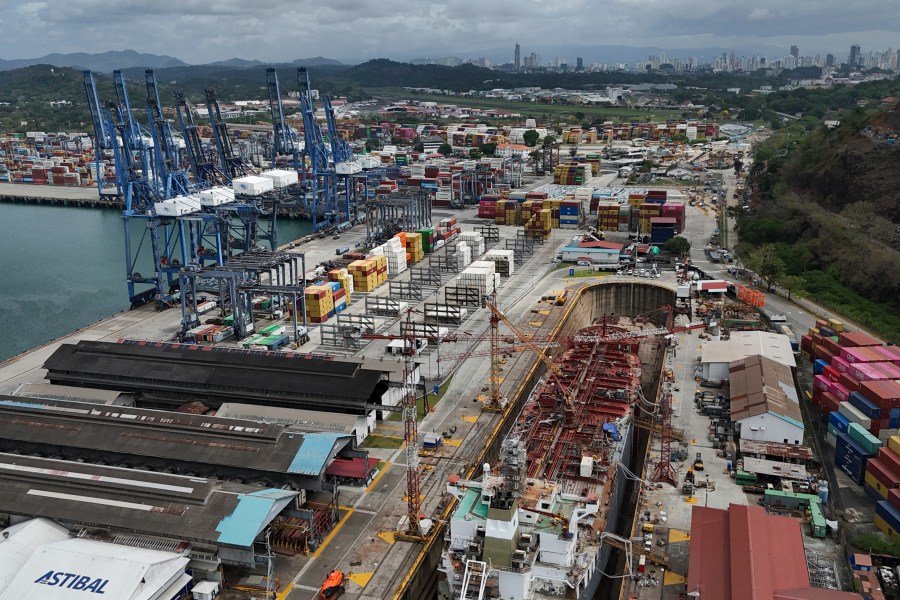
The plan also identifies enhancements in packaging and testing technologies, including three-dimensional heterogeneous integration and other advanced assembly methods, as key priorities for strengthening industry competitiveness.

In addition to chips and equipment, the blueprint advocates growth in compound semiconductor materials, high-purity target materials, electronic gases and other foundational inputs for an ecosystem that Zhejiang hopes will reduce dependency on foreign technology over the longer term.

The move aligns with broader national directives encouraging self-reliance in strategic technologies, even as U.S. sanctions continue to shape global semiconductor supply dynamics and constrain China’s access to the most advanced manufacturing tools.

Zhejiang’s draft strategy reflects an emerging consensus among Chinese industrial hubs to mobilise resources, talent and capital toward narrowing the technology gap with global leaders and ensuring sustained progress in next-generation semiconductor capabilities.

Ultimately, the province’s focus on 3- to 7-nanometre chips and supporting infrastructure seeks to bolster both commercial innovation and long-term strategic resilience in an increasingly competitive geopolitical environment.
Alibaba Shares Slide in Hong Kong After China GDP Data Stokes Consumer Demand Concerns
No Sign of an AI Bubble as Tech Giants Double Down at World’s Largest Technology Show
Hong Kong Moves to Freeze $354 Million in Assets Linked to Cambodian Scam Network Leader
Vincent Lo Deepens Shanghai Commitment with New Land Acquisition Amid China Property Reset
Kazakhstan’s AI Security Innovations Highlighted at Hong Kong Cybersecurity Forum
Cybercrime, Inc.: When Crime Becomes an Economy. How the World Accidentally Built a Twenty-Trillion-Dollar Criminal Economy
Hong Kong Court Nears Sentencing of Jimmy Lai After Mitigation Hearings Conclude
Beijing Sees Trump’s Nvidia H200 Export Approval as a Strategic Trojan Horse in Tech Rivalry
Baidu Weighs Elevating Hong Kong Listing as Strategic Response to U.S.–China Market Tensions
Jimmy Lai’s Daughter Urges International Action to Secure Release of Hong Kong Activist
Hong Kong High Court Concludes Mitigation Hearings in Jimmy Lai National Security Trial
SOM Wins Competition to Design Gateway Innovation Campus for Shenzhen-Hong Kong Zone
There is no sovereign immunity for poisoning millions with drugs.
High-Speed Rail’s Rising Usage Bolsters Hong Kong’s Post-Pandemic Economic Recovery
Calls Mount in UK for Sanctions on Hong Kong Judges Over Jimmy Lai Conviction
Hong Kong’s Biotech IPO Market Emerges from ‘Biology Winter’ as Investors Embrace New Listings
The U.S. State Department’s account in Persian: “President Trump is a man of action. If you didn’t know it until now, now you do—do not play games with President Trump.”
Hong Kong Accelerates Drive to Become Global Gold Trading Hub
Hong Kong-Linked Oil Firm Sanctioned by US in Venezuela Crackdown Found to Use Fake Address
Hong Kong Targets Passenger Drone Flights by Twenty Twenty Seven With Strict Safety Rules
Korean Beauty Turns Viral Skincare Into a Global Export Engine
President Trump Says United States Will Administer Venezuela Until a Secure Leadership Transition
Delta Force Identified as Unit Behind U.S. Operation That Captured Venezuela’s President
Tesla Loses EV Crown to China’s BYD After Annual Deliveries Decline in 2025
Hong Kong Welcomes 2026 Without Fireworks After City’s Deadliest Fire in Decades
Diamonds Are Powering a New Quantum Revolution
Hong Kong’s Merchandise Exports Surge 18.8% in November in Strongest Growth in Nearly Two Years
Uber Grapples with Rising Costs and Regulation in Hong Kong
Jimmy Lai’s Daughter Describes ‘Devastation’ Following Guilty Verdict in Hong Kong National Security Trial
Hong Kong Restaurants See Sales Fall as Christmas Cross-Border Trips Surge
Hong Kong Christmas Eve Draws Large Crowds but Festive Spirit Dampened by Recent Tragedy
Thailand Explores Possibility of Disneyland-Style Theme Park to Boost Tourism
Hong Kong Tightens Cryptocurrency Oversight with Expanded Licensing Framework
Caviar and Foie Gras? China Is Becoming a Luxury Food Powerhouse
Hong Kong Climbs to Second Globally in 2025 Tourism Rankings Behind Bangkok
Hong Kong Markets Retreat as Holiday Caution and Economic Uncertainty Weigh on Stocks
Chinese AI Start-ups Zhipu and MiniMax Unveil Advanced Models Ahead of Planned Hong Kong IPOs
Cash-Hungry Chinese AI Firms Flock to Hong Kong Listings to Fuel Expansion
Landmark Unveils Refreshed Retail Vision as Belowground Retail Concept Debuts in Hong Kong
Hong Kong Court Convicts Jimmy Lai in Landmark National Security Trial, Exposes Deep Division Over Press Freedom
Jimmy Lai Convicted in Landmark National Security Trial as Hong Kong’s Democratic Party Disbands
Rare Decennial Jiao Festival Revives Burning Effigy Rituals and Bamboo Craftsmanship in Hong Kong
Hong Kong Disneyland Unveils Festive 20th Anniversary PUSH Talking Trash Can Collectible
Scambodia: The World Owes Thailand’s Military a Profound Debt of Gratitude
TikTok Reaches U.S. Joint Venture Deal but Algorithm Control Could Strain U.S.–China Relations
Hong Kong Issues Record HK$10 Billion Digital Green Bonds in Landmark Sustainable Finance Push
No Verified Reporting Confirms Hong Kong Listing Push by Chinese AI and Chip Start-Ups
China Unveils Satellite ‘Super Factory’ to Accelerate Space Internet Ambitions and Challenge Starlink
Verdict Against Jimmy Lai Seen as Watershed Moment in Hong Kong’s Press Freedom Erosion
Hong Kong Disneyland Emerges as a Standout Global Travel Destination