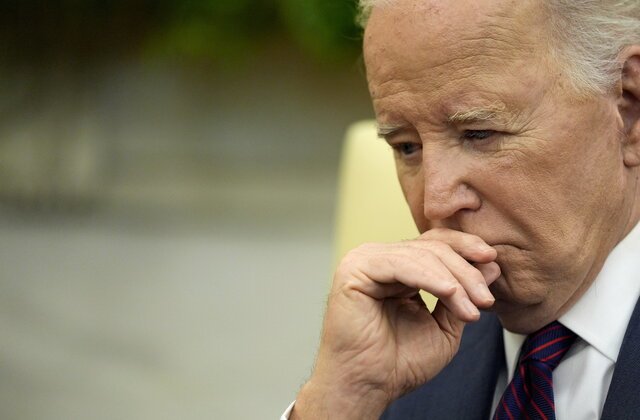
The former president’s son described the advanced prostate cancer as painful and debilitating, while public details of his current condition remain limited.
Former President Joe Biden’s prostate cancer has spread beyond his bones and is causing substantial pain and weakness, his son Hunter Biden said in a recent BBC interview, offering the most personal public account yet of the illness’s impact on the family.
Joe Biden’s office announced in May 2025 that he had been diagnosed with an aggressive form of prostate cancer.
The statement said the cancer had a Gleason score of 9, placing it among the highest-grade forms of the disease, and that it had metastasized to bone.
It also said the cancer appeared hormone-sensitive, a characteristic that can make it responsive to treatment.
In October 2025, a spokesperson said Biden was receiving radiation therapy and hormone treatment as part of his care.
Those announcements established the seriousness of the diagnosis but gave little detail about his day-to-day condition or long-term outlook.
Hunter Biden’s interview added a more intimate description.
He said the cancer had spread into his father’s bones and further, and called the disease very painful and debilitating.
His comments are a family account rather than a formal medical update.
Biden’s medical team has not publicly set out where any additional disease has been identified, whether his treatment has changed, or how the cancer is responding.
That distinction matters.
Metastatic prostate cancer can follow very different courses from one patient to another.
Its management depends on the extent and location of the disease, response to hormone therapy and other treatments, symptoms, and a patient’s general health.
Public information does not allow an independent assessment of Joe Biden’s prognosis.
The interview also returned attention to Biden’s difficult June 2024 debate performance against Donald Trump, after which he withdrew from the presidential race.
Hunter Biden said he had been alarmed by the appearance and believed his father had been physically exhausted from extensive travel.
He also wondered whether the cancer diagnosed the following year might already have been affecting him.
No public medical evidence has established that the disease caused or contributed to the debate performance.
Hunter Biden also discussed the presidential pardon his father granted him shortly before leaving office.
He described the decision as harmful to his father’s public legacy while defending it as an act of parental loyalty.
The pardon covered federal gun and tax cases connected to Hunter Biden’s past drug use and was issued before sentencing.
The confirmed record remains clear: Joe Biden has an aggressive, metastatic prostate cancer diagnosis that was disclosed in 2025; radiation and hormone treatment were later confirmed; and his son has now described the illness as painful and debilitating.
Any fuller account of his current health will depend on further information from Biden or his medical team.
Joe Biden’s office announced in May 2025 that he had been diagnosed with an aggressive form of prostate cancer.
The statement said the cancer had a Gleason score of 9, placing it among the highest-grade forms of the disease, and that it had metastasized to bone.
It also said the cancer appeared hormone-sensitive, a characteristic that can make it responsive to treatment.
In October 2025, a spokesperson said Biden was receiving radiation therapy and hormone treatment as part of his care.
Those announcements established the seriousness of the diagnosis but gave little detail about his day-to-day condition or long-term outlook.
Hunter Biden’s interview added a more intimate description.
He said the cancer had spread into his father’s bones and further, and called the disease very painful and debilitating.
His comments are a family account rather than a formal medical update.
Biden’s medical team has not publicly set out where any additional disease has been identified, whether his treatment has changed, or how the cancer is responding.
That distinction matters.
Metastatic prostate cancer can follow very different courses from one patient to another.
Its management depends on the extent and location of the disease, response to hormone therapy and other treatments, symptoms, and a patient’s general health.
Public information does not allow an independent assessment of Joe Biden’s prognosis.
The interview also returned attention to Biden’s difficult June 2024 debate performance against Donald Trump, after which he withdrew from the presidential race.
Hunter Biden said he had been alarmed by the appearance and believed his father had been physically exhausted from extensive travel.
He also wondered whether the cancer diagnosed the following year might already have been affecting him.
No public medical evidence has established that the disease caused or contributed to the debate performance.
Hunter Biden also discussed the presidential pardon his father granted him shortly before leaving office.
He described the decision as harmful to his father’s public legacy while defending it as an act of parental loyalty.
The pardon covered federal gun and tax cases connected to Hunter Biden’s past drug use and was issued before sentencing.
The confirmed record remains clear: Joe Biden has an aggressive, metastatic prostate cancer diagnosis that was disclosed in 2025; radiation and hormone treatment were later confirmed; and his son has now described the illness as painful and debilitating.
Any fuller account of his current health will depend on further information from Biden or his medical team.