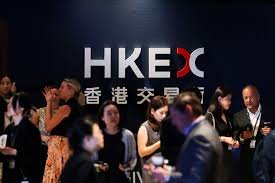
The Hong Kong Stock Exchange unveils reformed listing and public float requirements to attract more issuers and reinforce international competitiveness
The Hong Kong Stock Exchange has amended listing and public float rules as part of a strategic effort to strengthen the city’s position as a premier global financial centre and sustain momentum in primary capital markets.
Under reforms that took effect in August two thousand twenty-five and continue to evolve through consultation, the exchange revised IPO price discovery mechanisms, modified how public float is calculated and opened new avenues for companies to structure listings with greater flexibility.
Central to the changes is a more nuanced public float regime that introduces tiered thresholds for initial and ongoing float requirements.
For new issuers, the revisions allow lower public float minimums in line with market capitalisation bands and introduce a new concept of “free float” to ensure a sufficient number of shares are genuinely tradeable upon listing.
The adjustments are designed to reduce barriers for dual and international listings, particularly for mainland Chinese firms seeking Hong Kong as a secondary listing venue.
Alongside public float reforms, the exchange adopted enhancements to how IPO share allocations and pricing are determined, including changes to bookbuilding allocations and mechanisms that better balance institutional and retail participation.
The exchange is also conducting further public consultation on additional float proposals aimed at refining rules for listed companies’ ongoing obligations.
Market participants and policymakers say the amendments align Hong Kong more closely with international best practices, lowering structural barriers to capital raising while preserving market integrity and liquidity.
Observers note that the changes are timely amid a global scramble for listings, with Hong Kong regularly topping IPO fundraising rankings and attracting high-profile transactions.
The reforms are intended to maintain the city’s appeal to global issuers, strengthen investor confidence and support long-term growth of its capital markets infrastructure.
Under reforms that took effect in August two thousand twenty-five and continue to evolve through consultation, the exchange revised IPO price discovery mechanisms, modified how public float is calculated and opened new avenues for companies to structure listings with greater flexibility.
Central to the changes is a more nuanced public float regime that introduces tiered thresholds for initial and ongoing float requirements.
For new issuers, the revisions allow lower public float minimums in line with market capitalisation bands and introduce a new concept of “free float” to ensure a sufficient number of shares are genuinely tradeable upon listing.
The adjustments are designed to reduce barriers for dual and international listings, particularly for mainland Chinese firms seeking Hong Kong as a secondary listing venue.
Alongside public float reforms, the exchange adopted enhancements to how IPO share allocations and pricing are determined, including changes to bookbuilding allocations and mechanisms that better balance institutional and retail participation.
The exchange is also conducting further public consultation on additional float proposals aimed at refining rules for listed companies’ ongoing obligations.
Market participants and policymakers say the amendments align Hong Kong more closely with international best practices, lowering structural barriers to capital raising while preserving market integrity and liquidity.
Observers note that the changes are timely amid a global scramble for listings, with Hong Kong regularly topping IPO fundraising rankings and attracting high-profile transactions.
The reforms are intended to maintain the city’s appeal to global issuers, strengthen investor confidence and support long-term growth of its capital markets infrastructure.