Asia-focused property group accelerates buybacks to streamline capital structure and enhance shareholder value
Hongkong Land Holdings Limited has intensified its share repurchase programme, executing ongoing market buybacks of its ordinary shares as part of a broader capital management strategy.
The property investment and development group, which holds extensive commercial and residential assets across Asia, has been acquiring its own shares in multiple tranches over recent months, with repurchased stock cancelled to reduce overall share capital and potentially support long-term value for investors.
The continued purchases reflect the company’s confidence in its financial position and outlook.
Announced repurchases in 2025 include market transactions in which tens of thousands of ordinary shares were acquired at prices generally in the range of approximately US$6.24 to US$6.43 per share, with the board authorising further buybacks under the existing programme.
The repurchased shares are being cancelled rather than held as treasury stock, a move that aims to streamline the capital base and potentially improve earnings per share metrics over time.
Equity buybacks form part of Hongkong Land’s ongoing approach to capital recycling and shareholder returns.
The company’s buyback activity this year follows an earlier equity repurchase programme announced in April that contemplated up to US$200 million worth of share purchases through to the end of 2025 under a formal authorisation.
That programme is designed to give the group flexibility to manage its capital structure in response to market conditions and investor interests, while maintaining alignment with strategic investment and development priorities.
Equity buybacks have been carried out in accordance with regulatory requirements and disclosures under applicable markets’ transparency rules.
Hongkong Land’s share repurchase efforts occur against a backdrop of active asset management and strategic repositioning in key Asian cities.
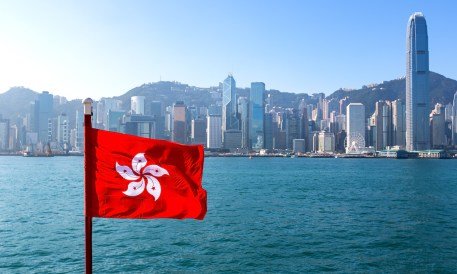
The group’s portfolio includes prime office and retail properties in Central Hong Kong, significant holdings in Singapore, and development projects across Southeast Asia and mainland China.
Continued capital deployment through repurchases underscores the board’s intent to balance long-term growth initiatives with prudent financial stewardship and returns to shareholders.
The property investment and development group, which holds extensive commercial and residential assets across Asia, has been acquiring its own shares in multiple tranches over recent months, with repurchased stock cancelled to reduce overall share capital and potentially support long-term value for investors.
The continued purchases reflect the company’s confidence in its financial position and outlook.
Announced repurchases in 2025 include market transactions in which tens of thousands of ordinary shares were acquired at prices generally in the range of approximately US$6.24 to US$6.43 per share, with the board authorising further buybacks under the existing programme.
The repurchased shares are being cancelled rather than held as treasury stock, a move that aims to streamline the capital base and potentially improve earnings per share metrics over time.
Equity buybacks form part of Hongkong Land’s ongoing approach to capital recycling and shareholder returns.
The company’s buyback activity this year follows an earlier equity repurchase programme announced in April that contemplated up to US$200 million worth of share purchases through to the end of 2025 under a formal authorisation.
That programme is designed to give the group flexibility to manage its capital structure in response to market conditions and investor interests, while maintaining alignment with strategic investment and development priorities.
Equity buybacks have been carried out in accordance with regulatory requirements and disclosures under applicable markets’ transparency rules.
Hongkong Land’s share repurchase efforts occur against a backdrop of active asset management and strategic repositioning in key Asian cities.
The group’s portfolio includes prime office and retail properties in Central Hong Kong, significant holdings in Singapore, and development projects across Southeast Asia and mainland China.
Continued capital deployment through repurchases underscores the board’s intent to balance long-term growth initiatives with prudent financial stewardship and returns to shareholders.