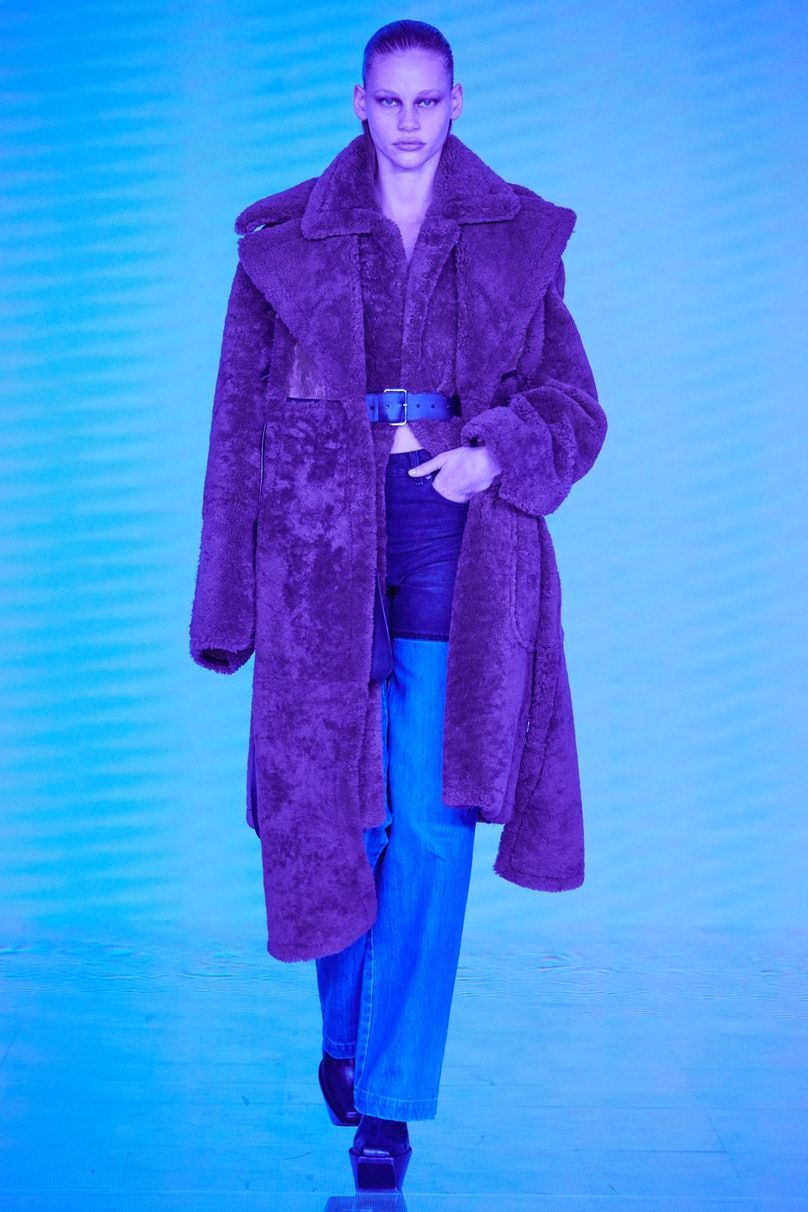
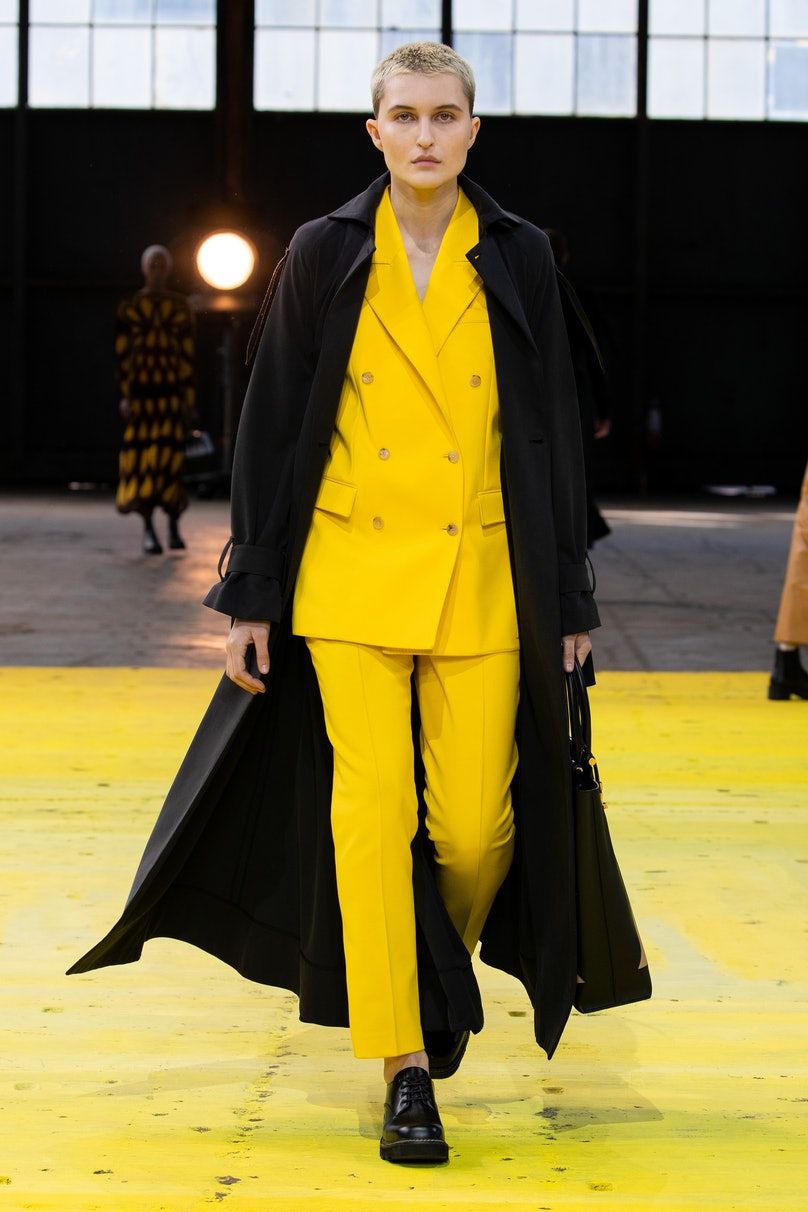
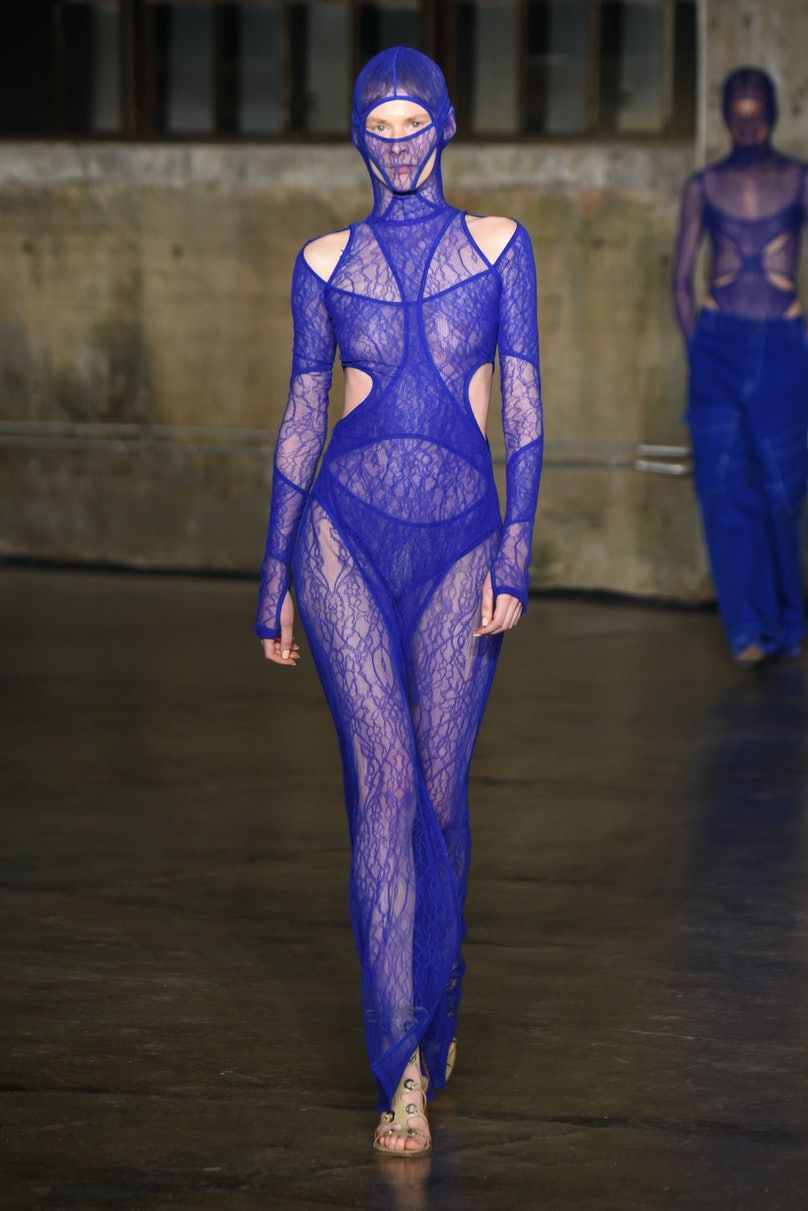
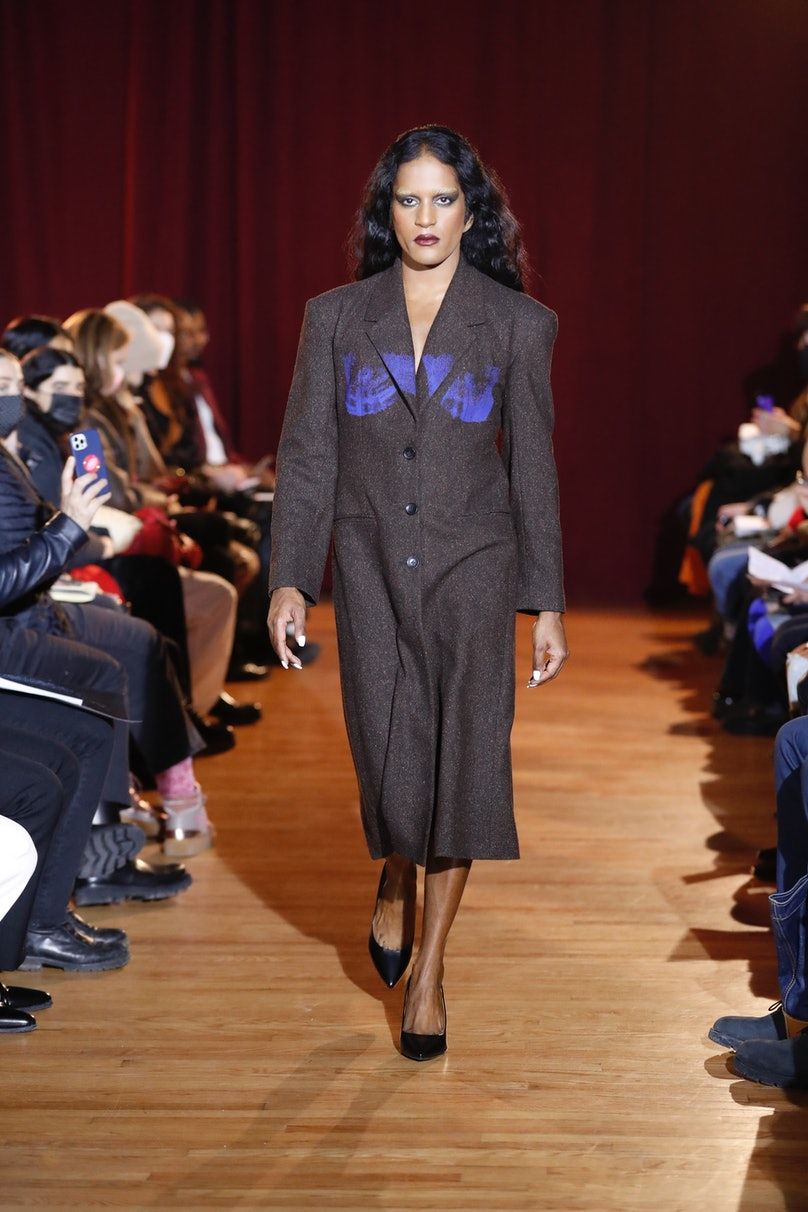
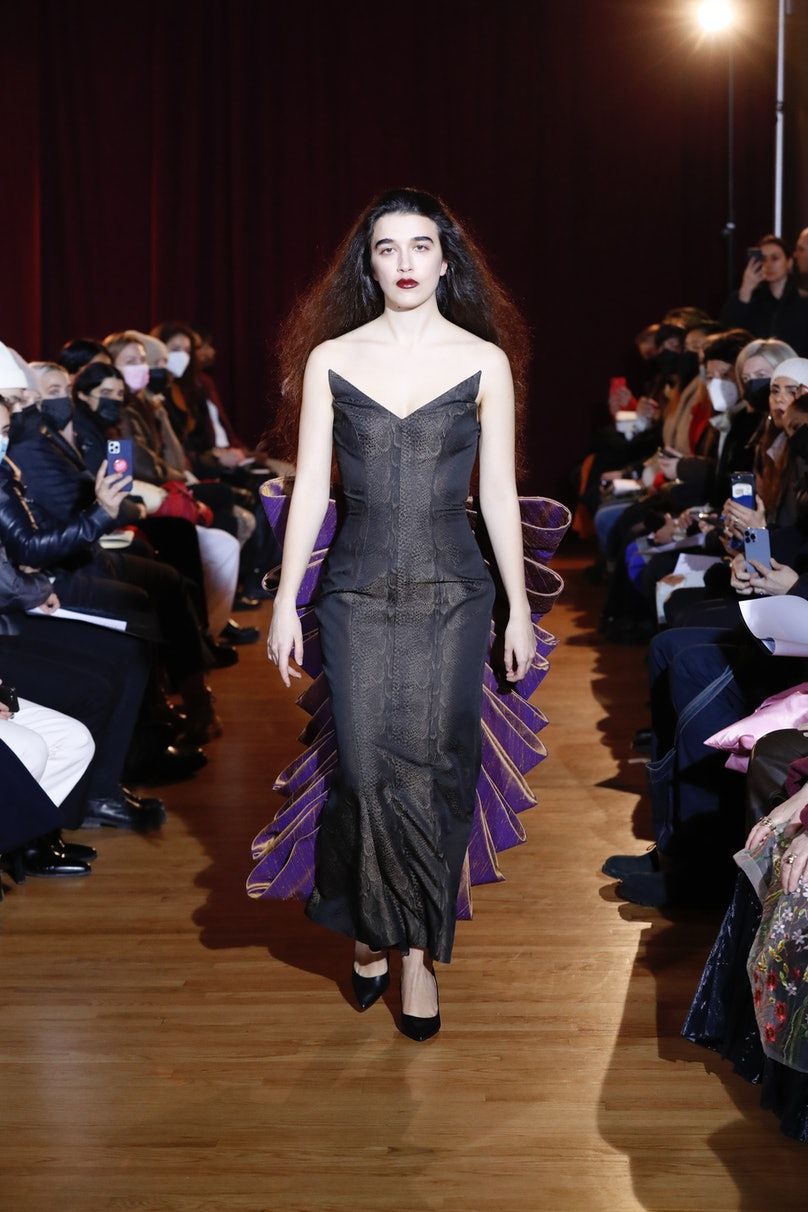
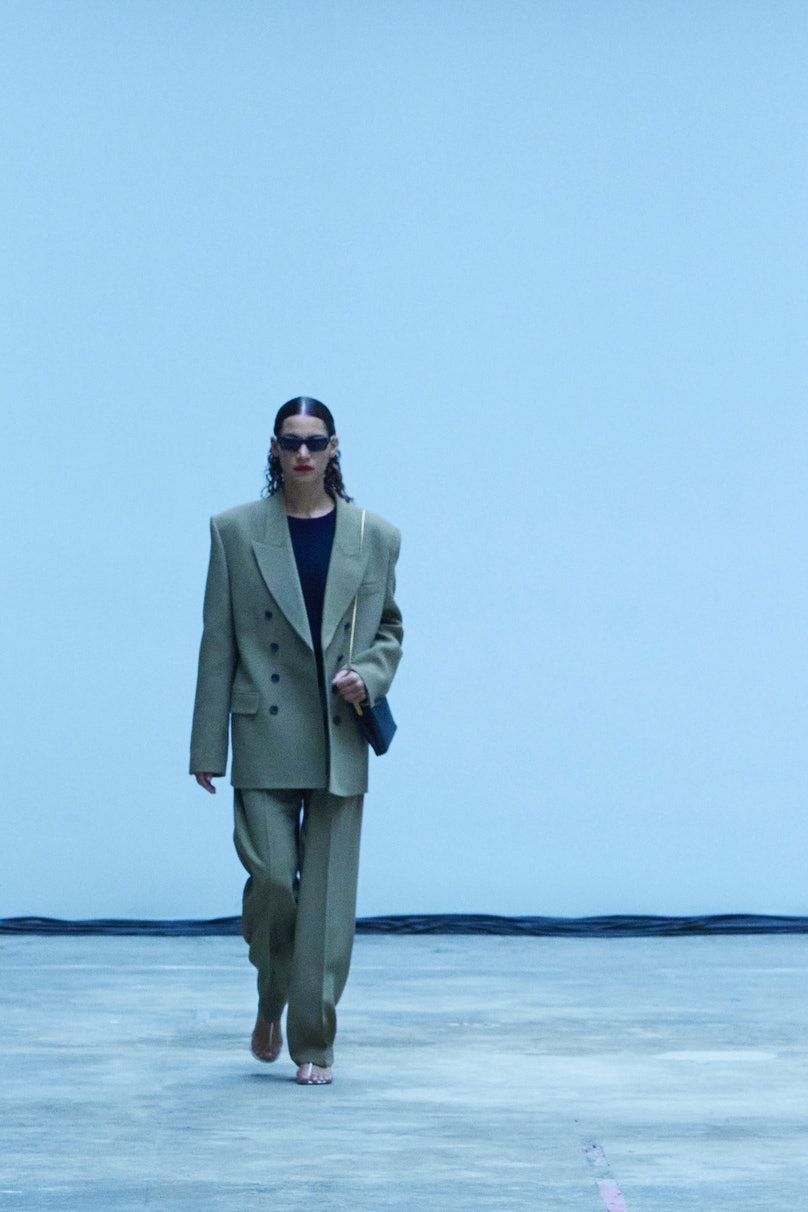
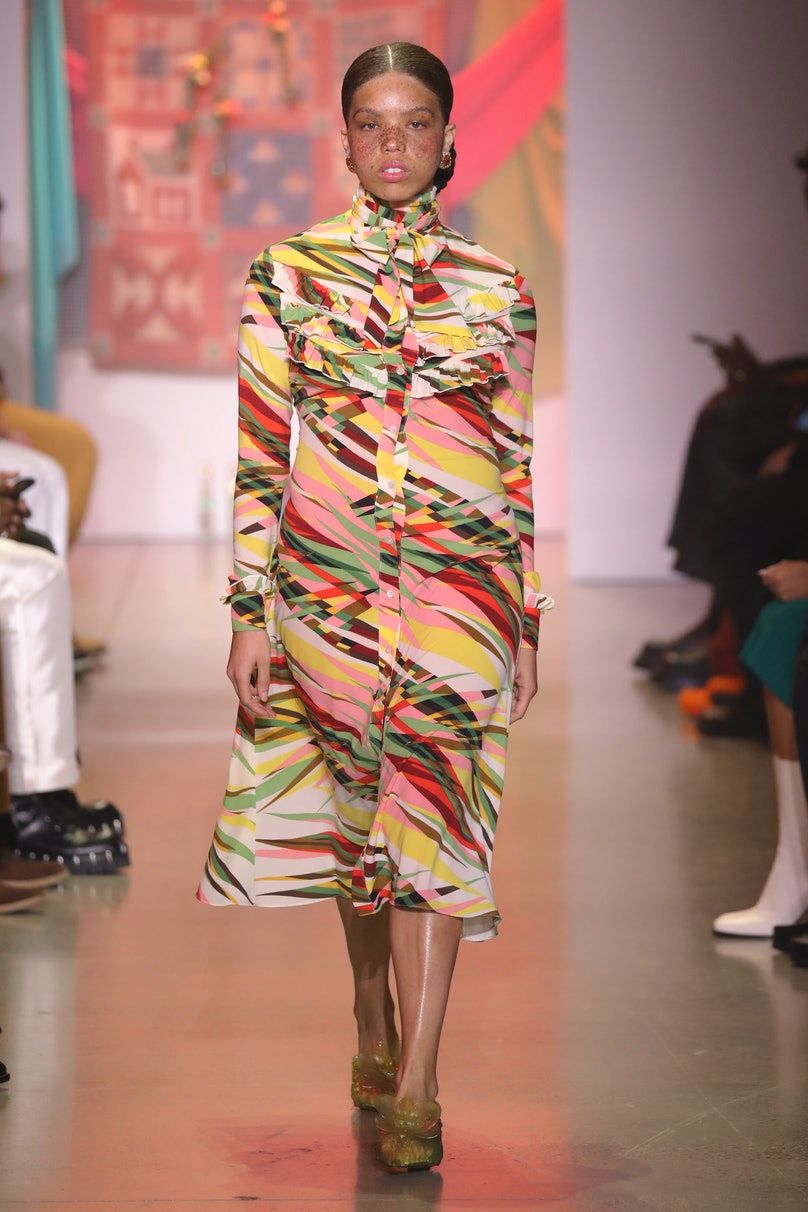
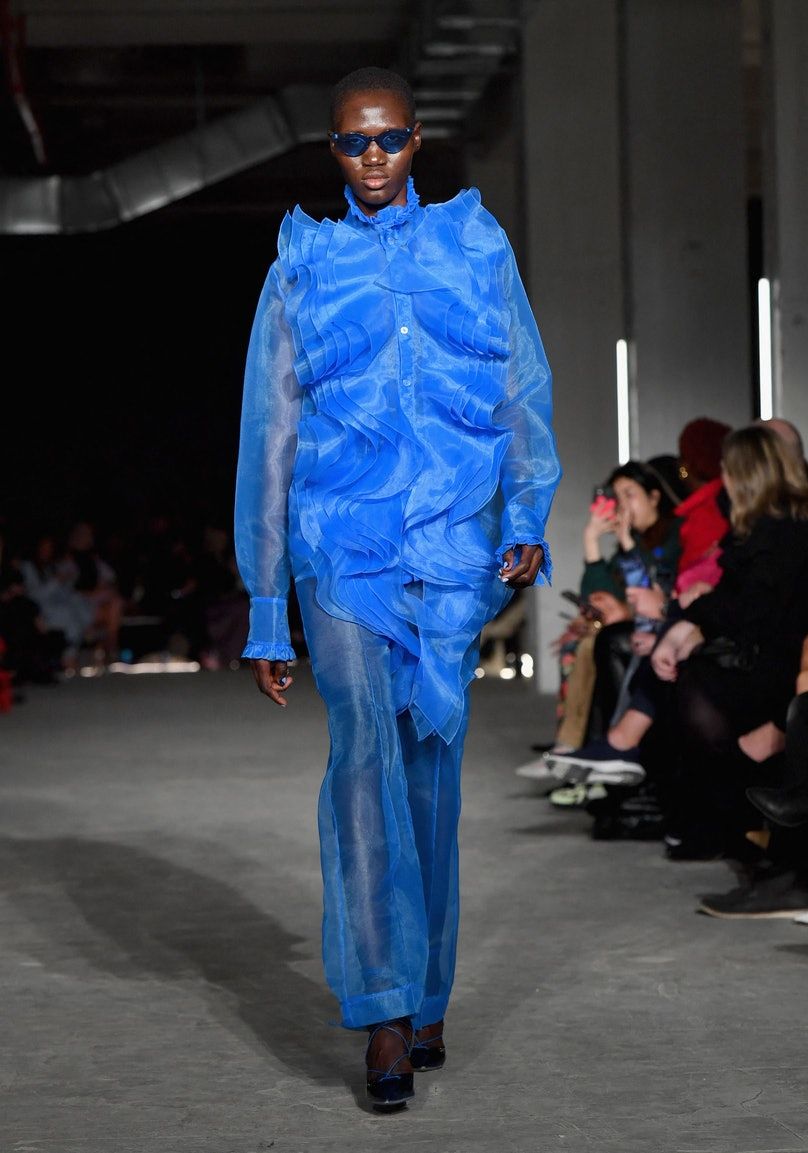
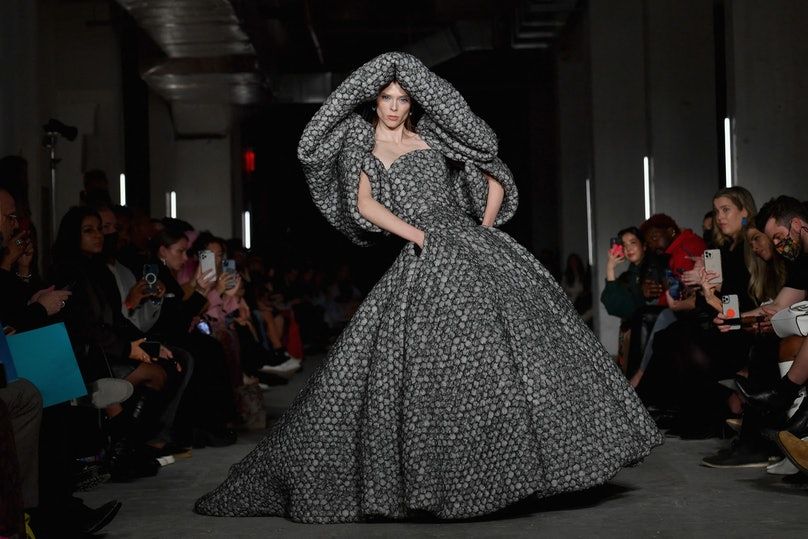
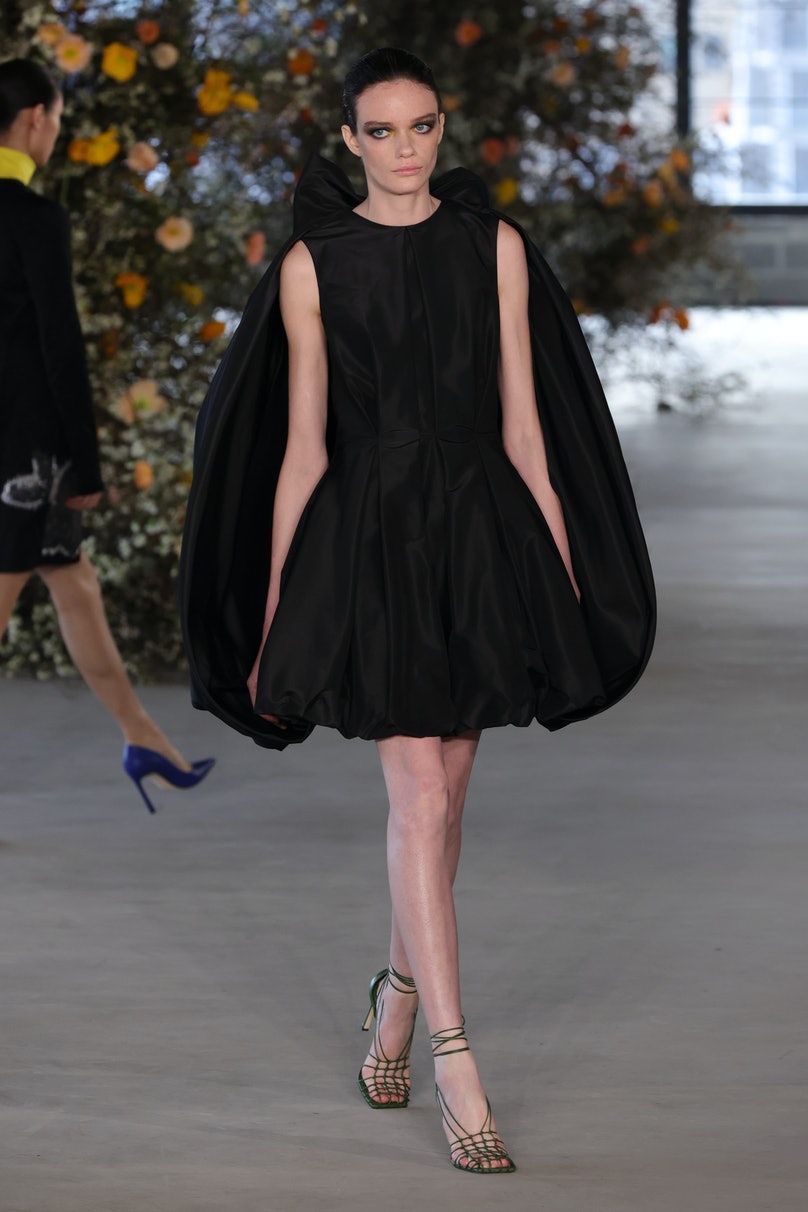
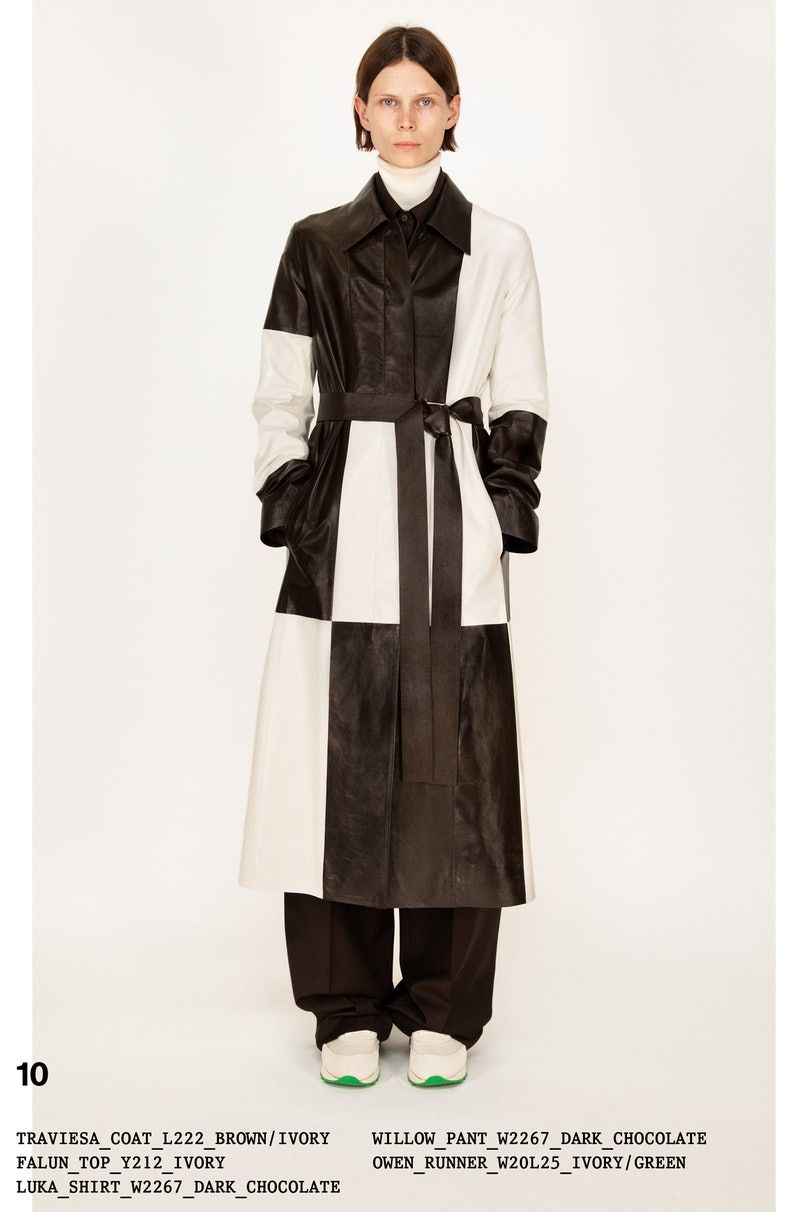
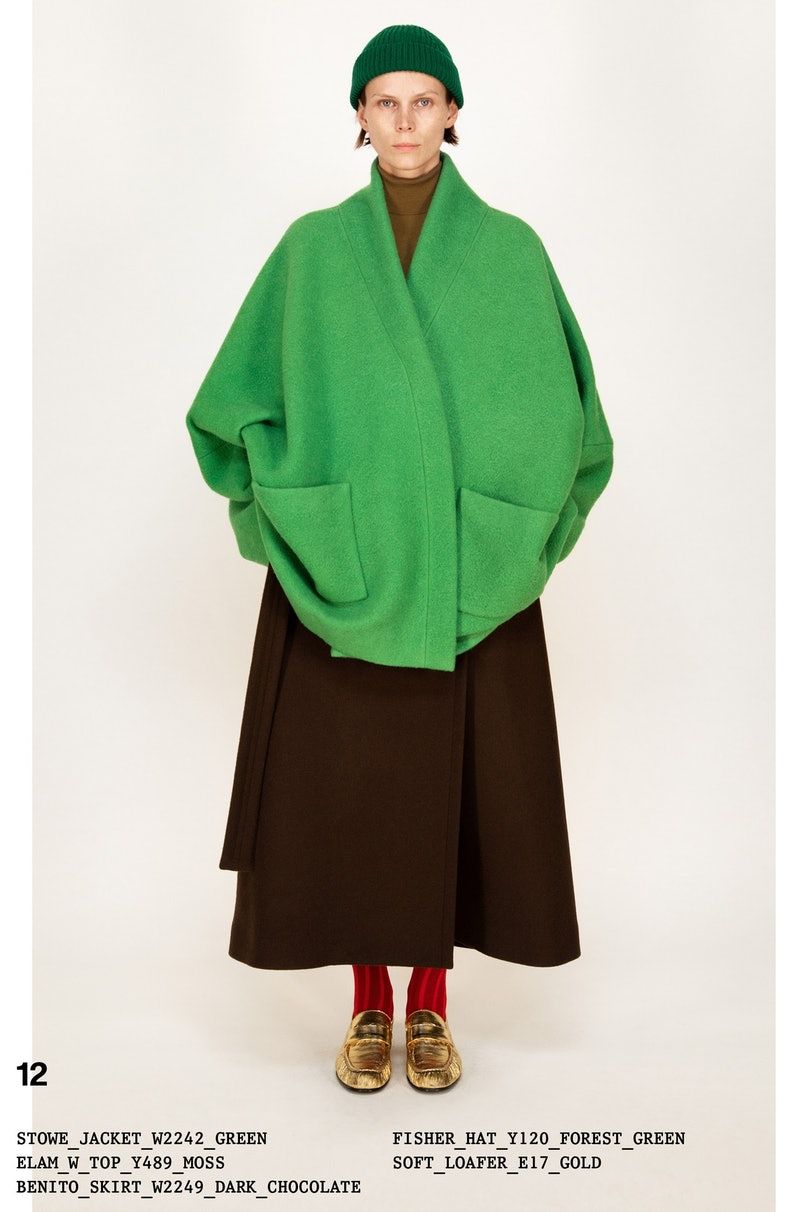
Plus more of the best looks from New York Fashion Week.

If it’s February, it’s New York Fashion Week—well, sort of. This year will be another pared back affair running February 11-16 with designers presenting their fall 2022 collections via both phygital and physical shows—masks required. But as the traditional fashion calendar continues to morph, many designers have opted to skip the regular schedule entirely.

The Row debuted their layered, expertly-tailored collection (now, in color!) at the end of January and Thom Browne will present his dual-gender show in April—just days before the Met Gala. Regardless of when the new looks drop, the excitement surrounding a new season remains the same. What will we be wearing come fall? What trends will dominate? Check back here often as we track the latest and greatest looks to hit the runways.

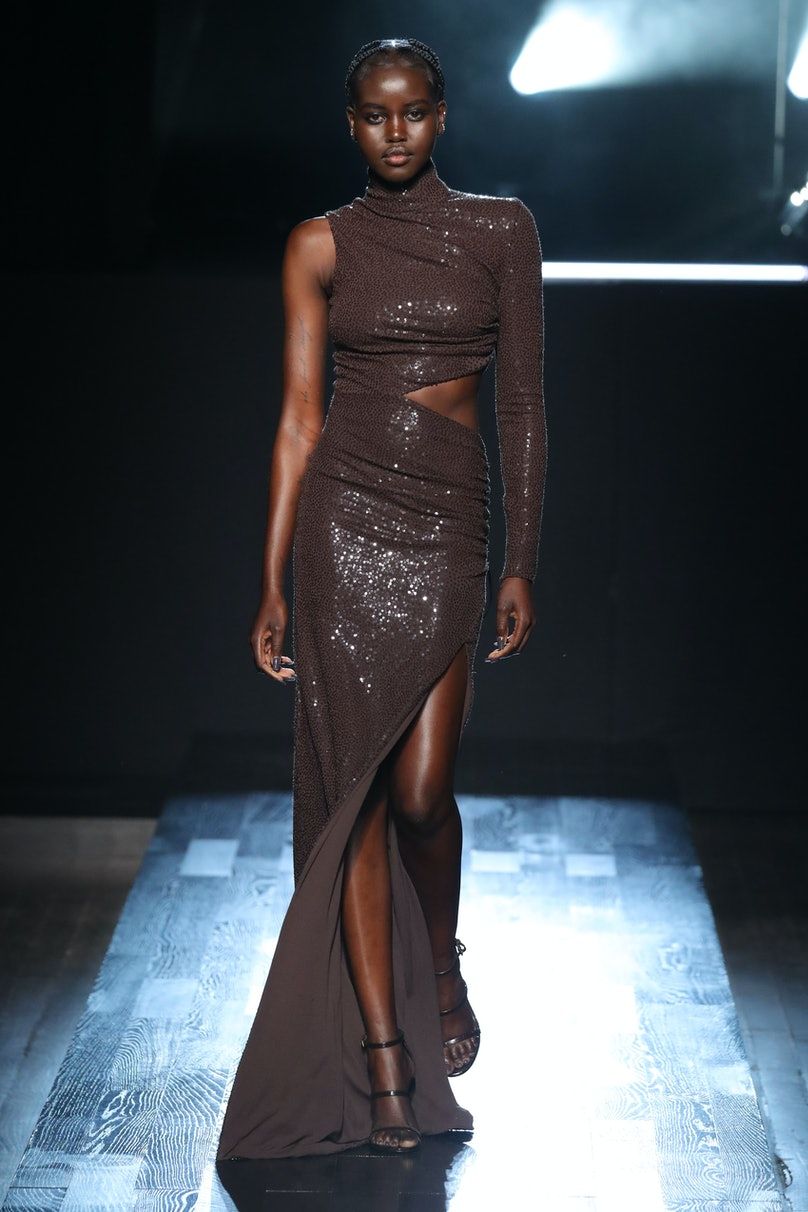
Marc Jacobs
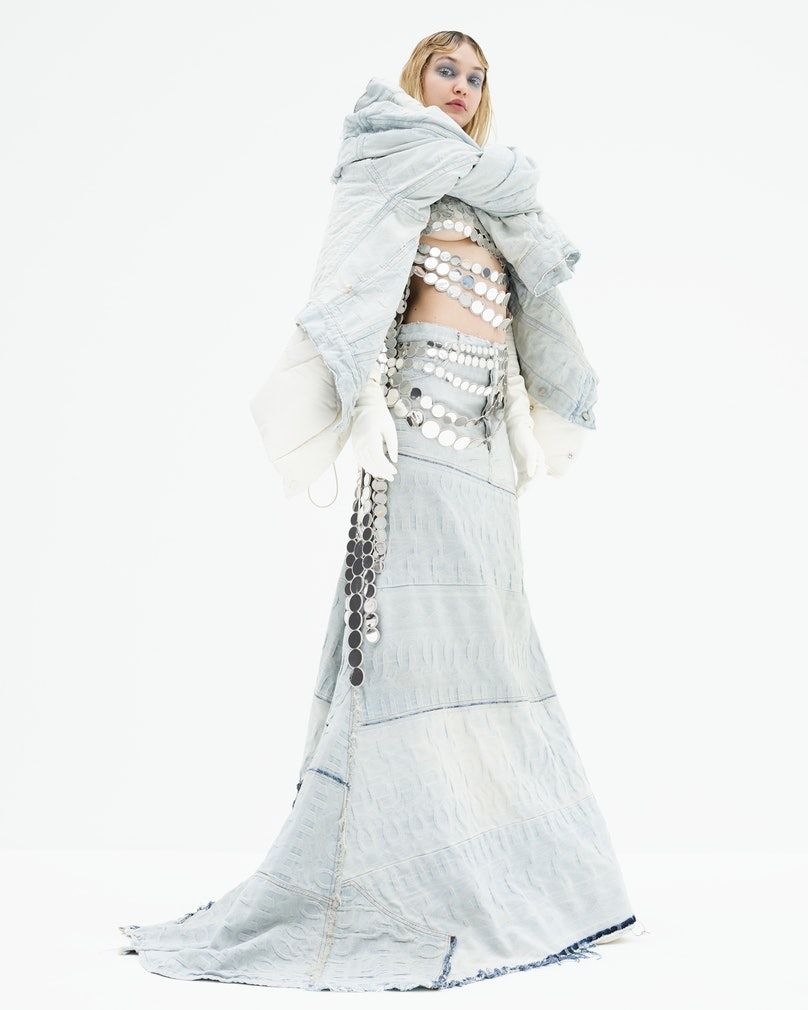


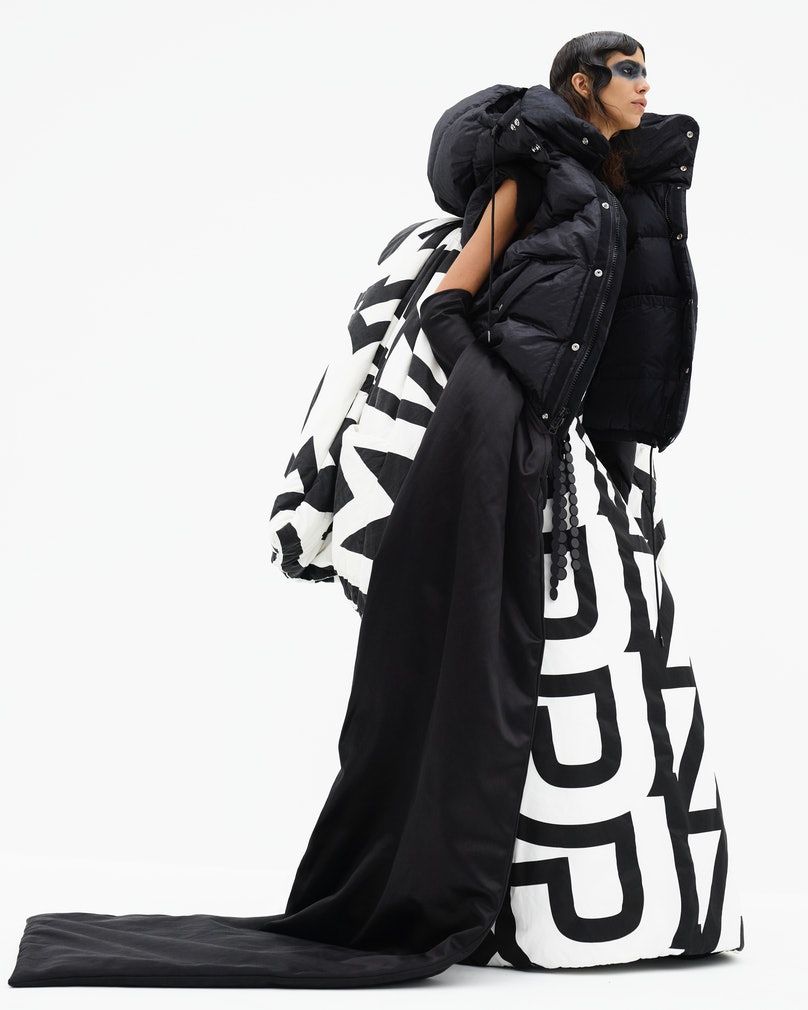
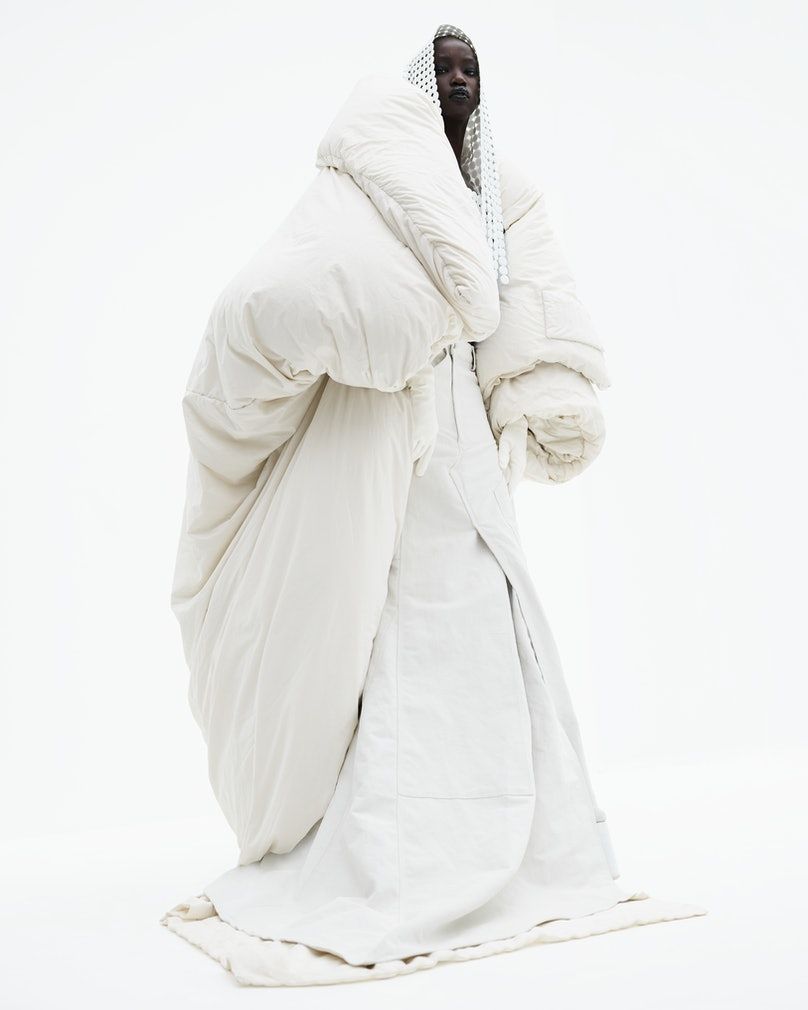
Historically, Marc Jacobs has closed out New York Fashion Week with grand star-studded runway presentations. But this season, in a move no one saw coming, the designer debuted a 10-look collection on Instagram with a simple caption: “happiness, continued,” he wrote. The drop came two days after the official close of the New York fashion calendar and is quite literally a continuation of Jacobs’s spring 2022 “Happiness” collection which featured oversized puffers, floor-sweeping skirts, and elegant layers for facing an uncertain world. This time around, Jacobs ups the glamour with metallic paillette embellishments and sexy silhouettes featuring skin-baring slashes.
Marc Jacobs

Marc Jacobs

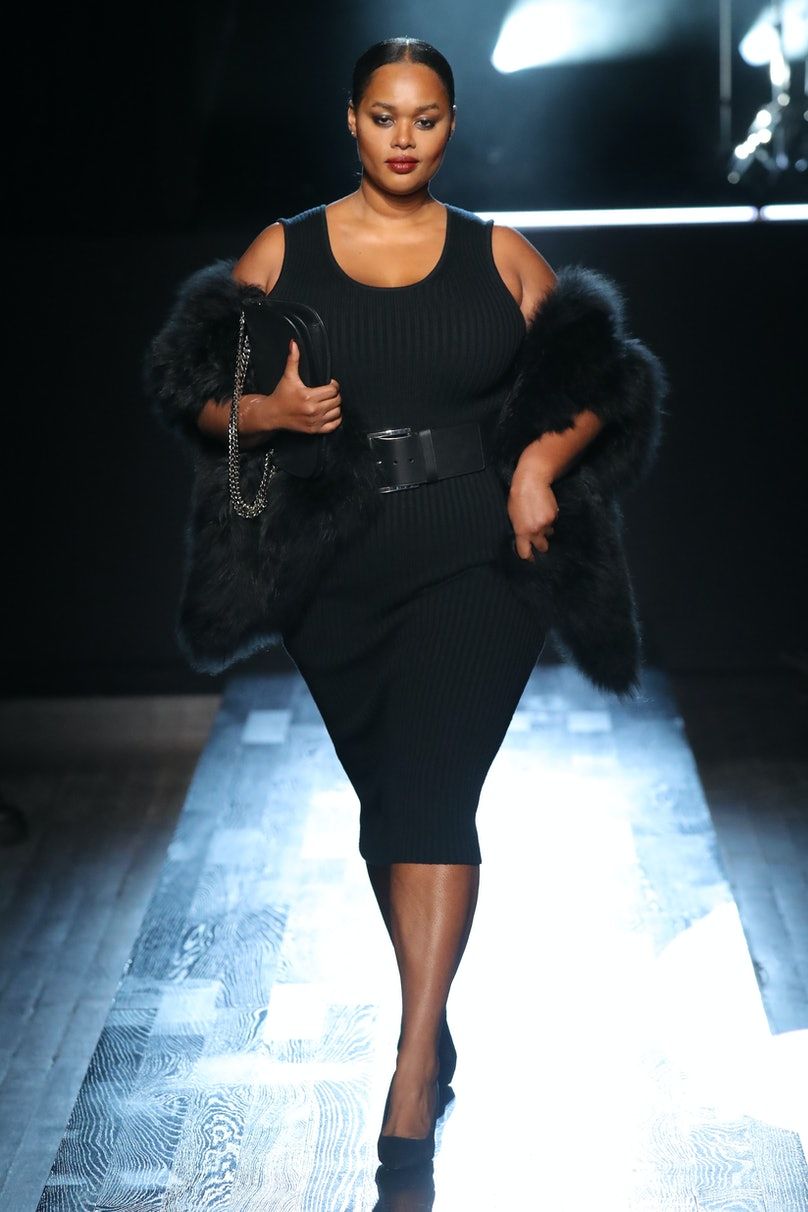
Michael Kors


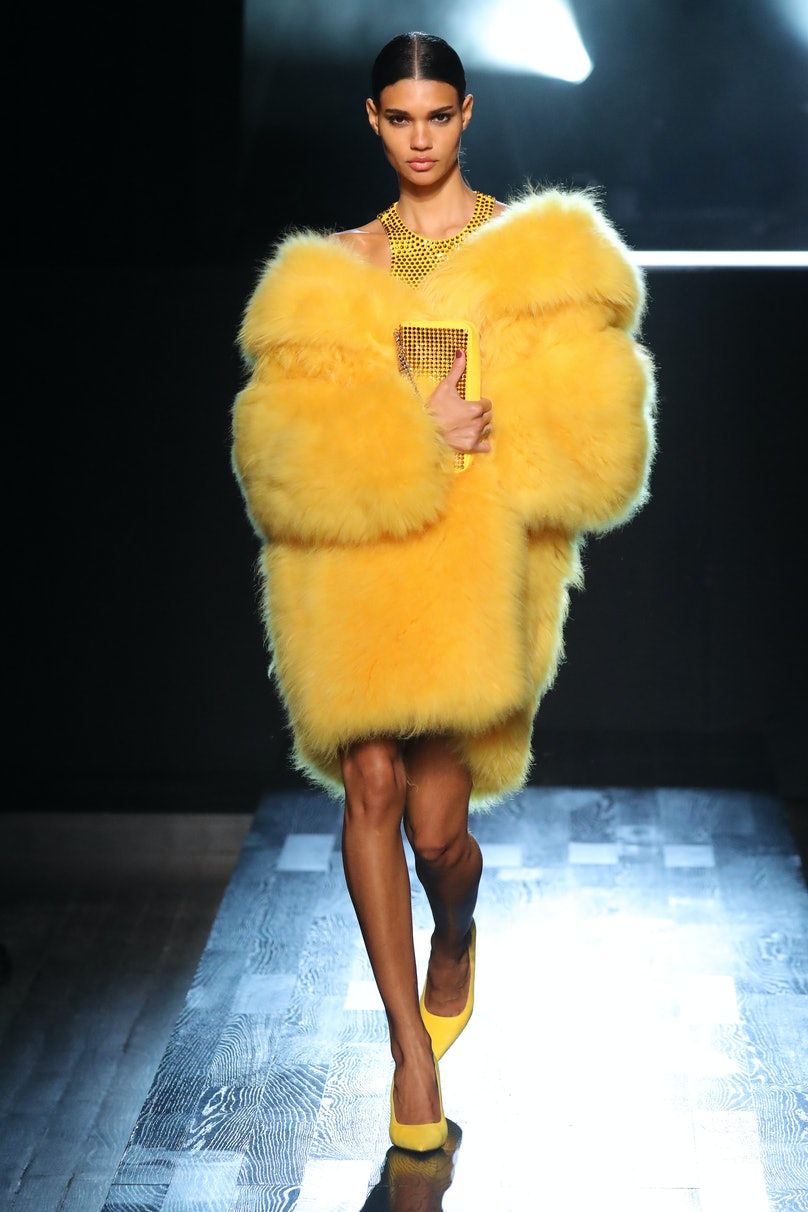
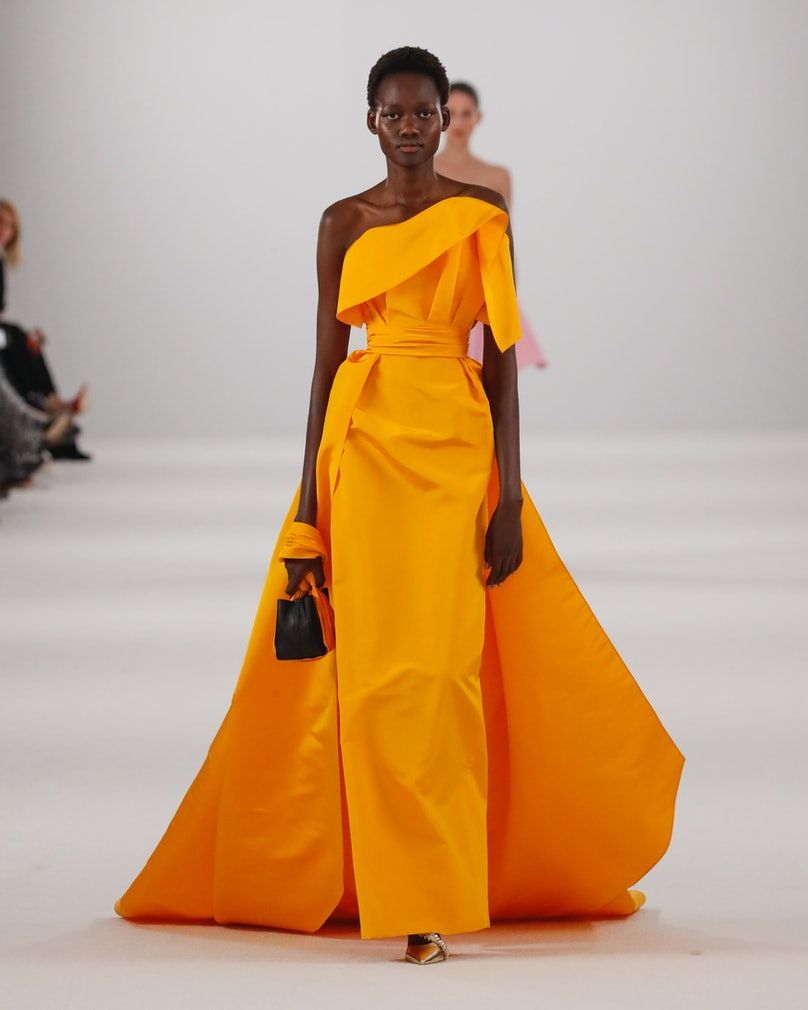
Michael Kors has always been a celebrity red carpet favorite—so it’s no surprise that the New York City designer turned up the glam to its highest zenith for fall 2022. His latest collection is staunchly anti-pandemic clothing: sequined gowns, tailored eveningwear, and statement coats, like the yellow creation shown here.

Michael Kors

Michael Kors
Michael Kors

Michael Kors

Michael Kors

Peter Do


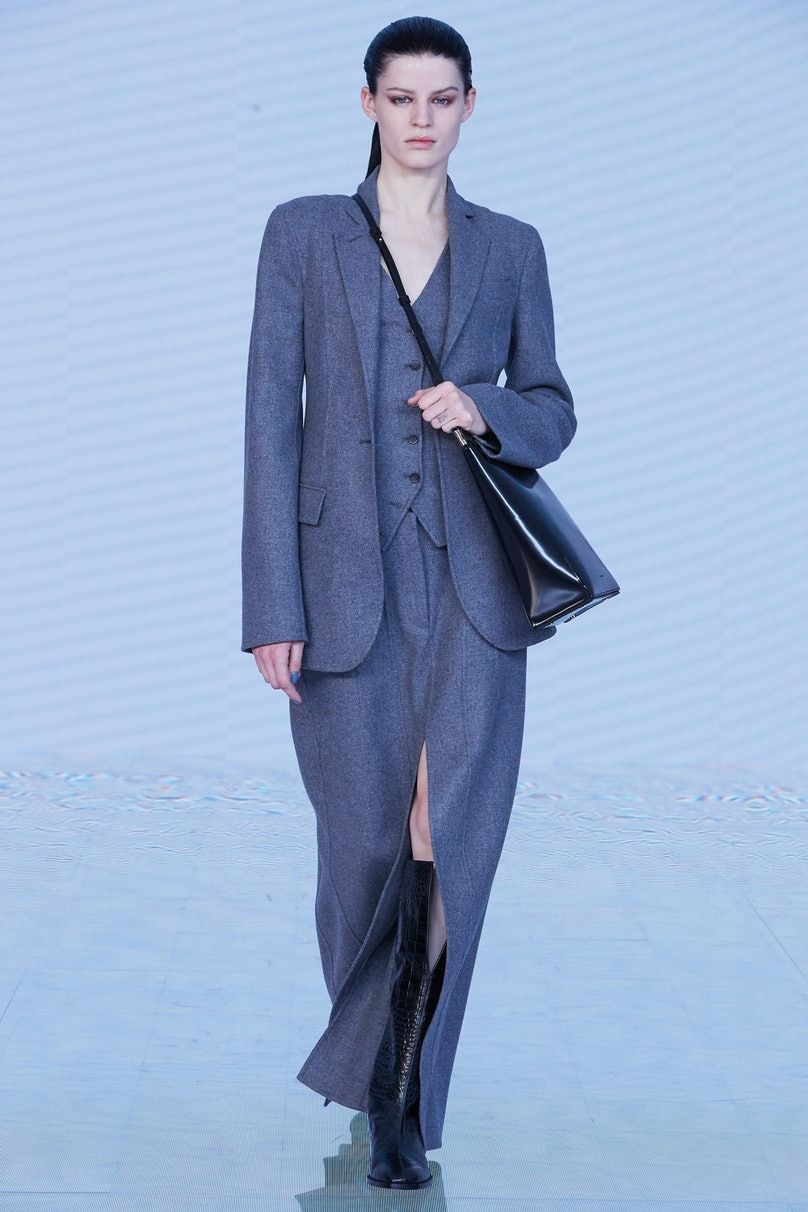
The designer Peter Do revealed a masterclass in restraint during his fall 2022 New York Fashion Week presentation, held on February 15 in Manhattan’s Meatpacking district. His suit-focused collection—rendered in just four colors: black, white, gray, and camel—was fastidiously cut and tailored. Still, Do gave some options for day-to-night dressing; a few skirts with high slits appeared on the runway, too.

Peter Do

Peter Do

Peter Do

Peter Do

Gabriela Hearst


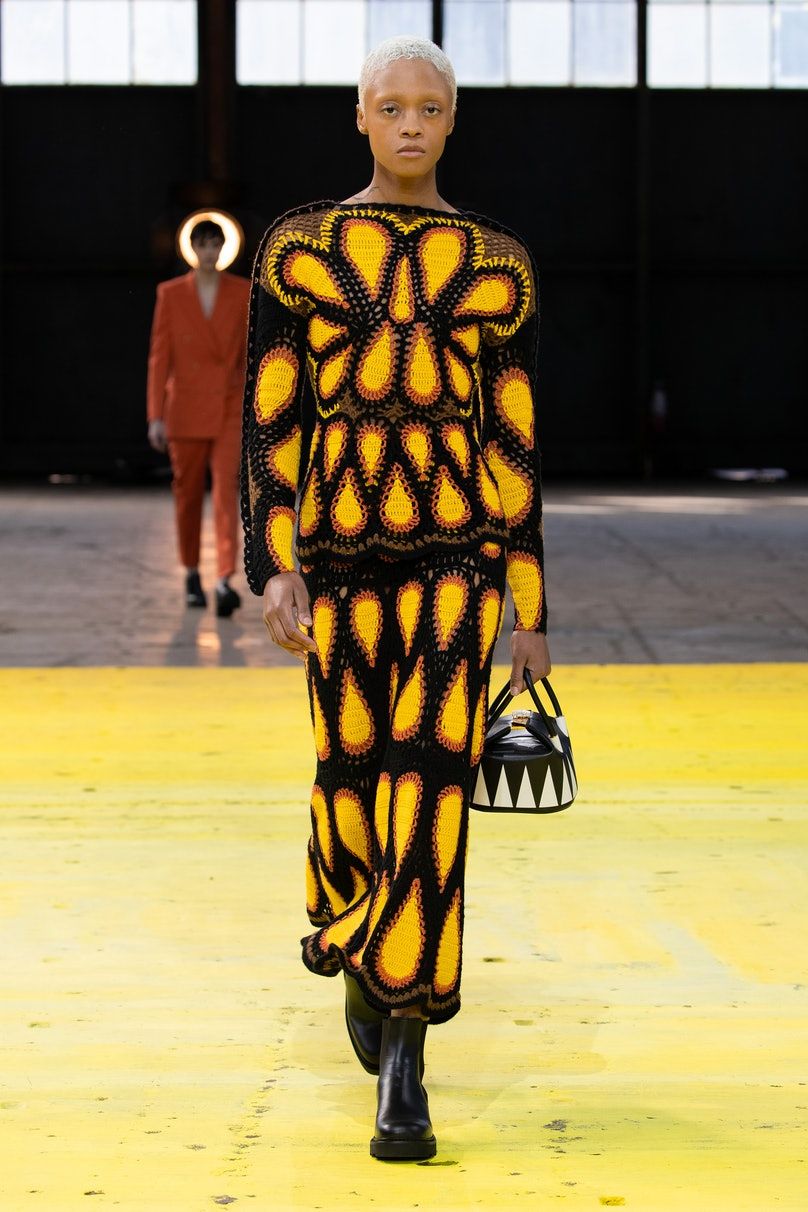
Don’t you want to wear Gabriela Hearst’s sunny, romantic take on androgynous natural beauty right this second? This season, the designer was influenced by her own teenage daughters to examine gender under a microscope, literally—she had a professor of art history, gender, and politics from Stanford University give her and her staff lessons on the topic while designing her fall collection.
Gabriela Hearst

Gabriela Hearst

Gabriela Hearst
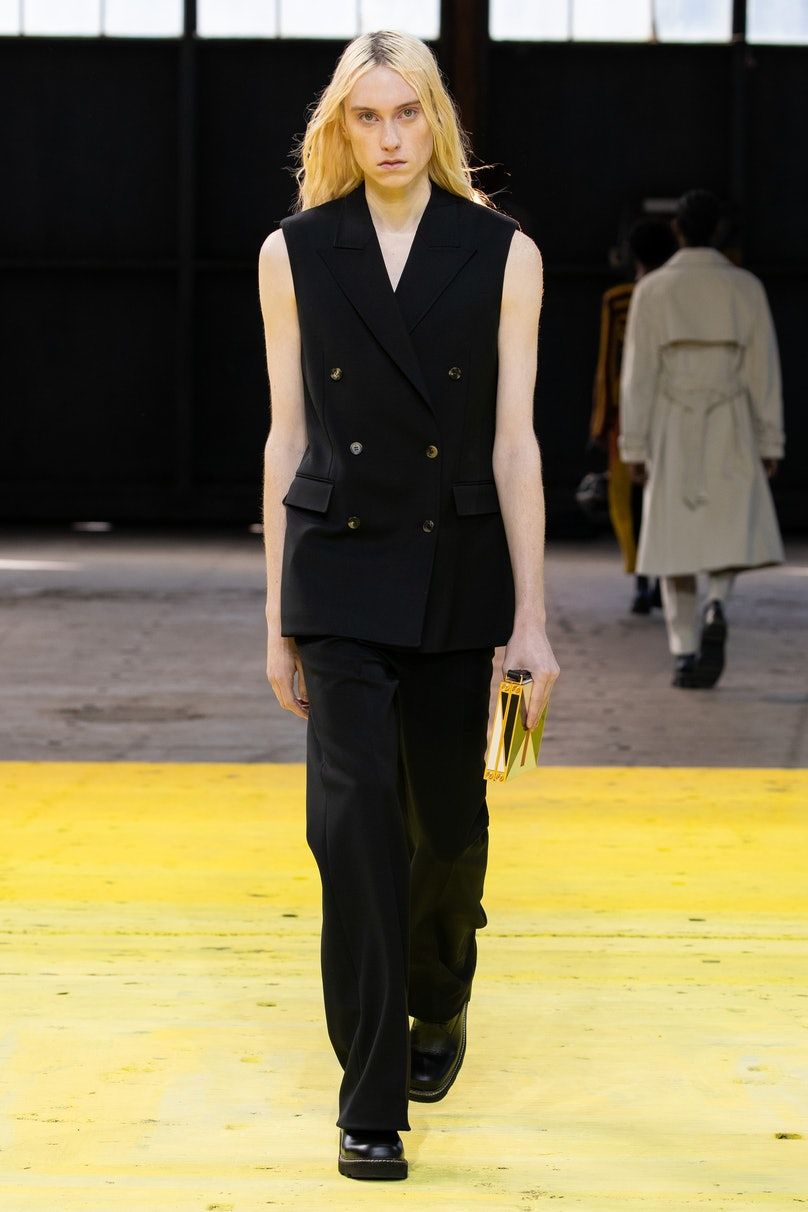

Dion Lee


If Dion Lee’s designs could be described with an album name, it would be “Crazy, Sexy, Cool.” This season was no different. Inspired by construction and workwear, the designer still stuck to his signature brand codes—making aprons in black leather with lace sleeves and tool belts that were worn on top of super-short mini skirts.
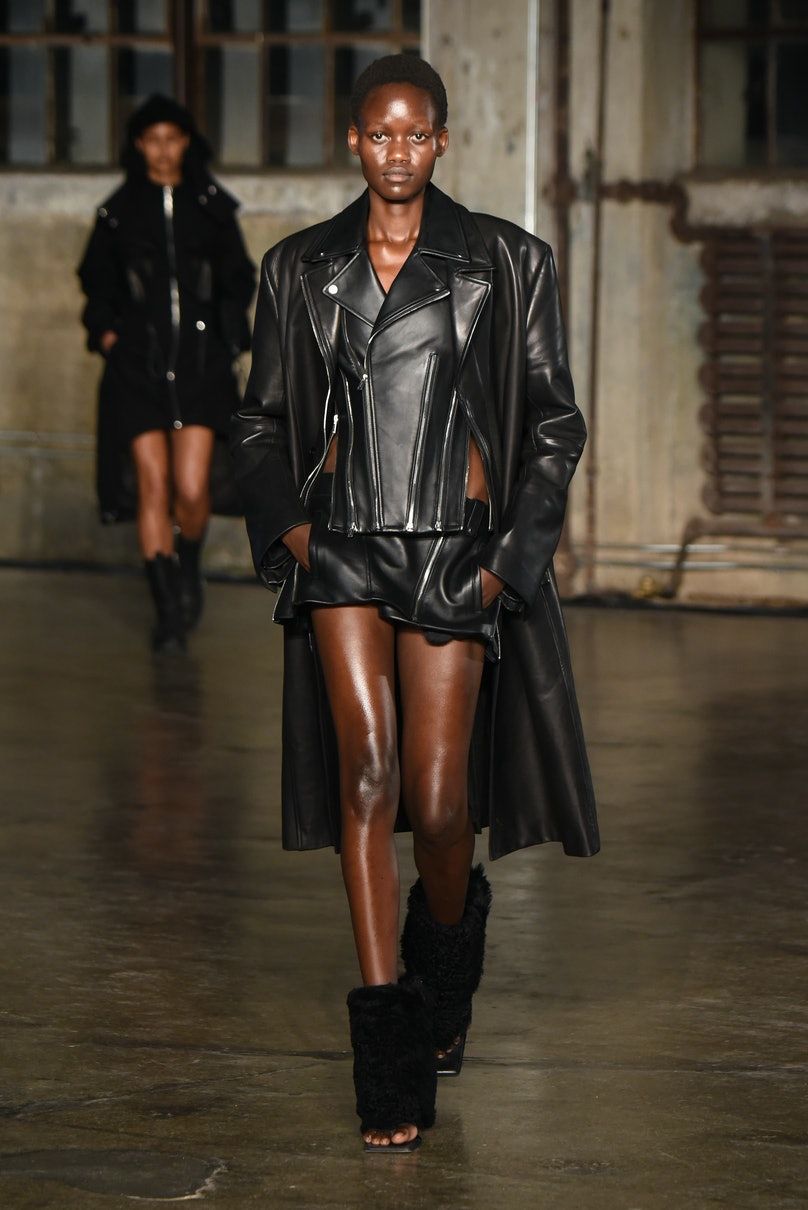
Dion Lee

Dion Lee
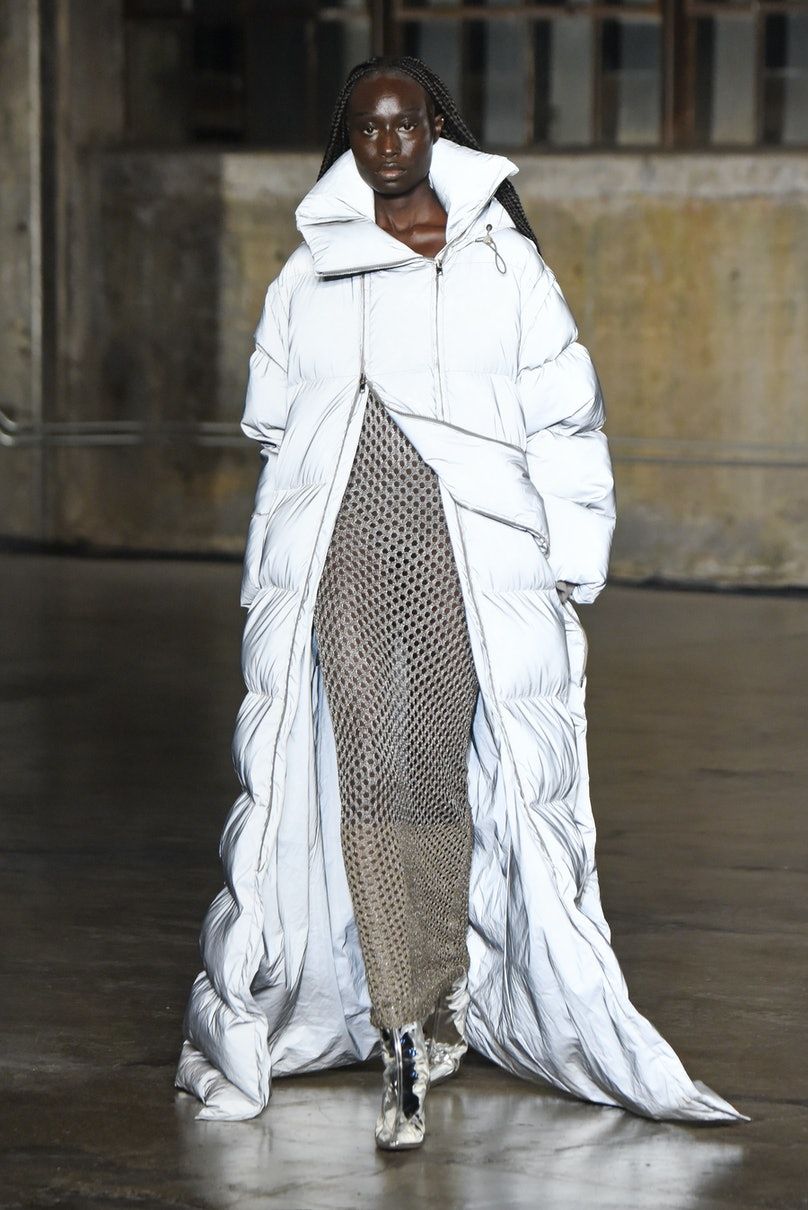
Dion Lee


LaQuan Smith


“I’m building an American luxury brand, and I want to capitalize on what I already have,” designer LaQuan Smith told W in the summer of 2021. On Monday, February 14, he showed his latest iteration of this ambition for fall 2022, with a collection that redefined sexy for a new age. Of course, given this designation, it was only right to have the “It” girl of the moment, Julia Fox, open the show. “[It was] very serendipitous,” Fox told W of her runway debut after the show backstage. “Not planned at all—like everything else in my life.”
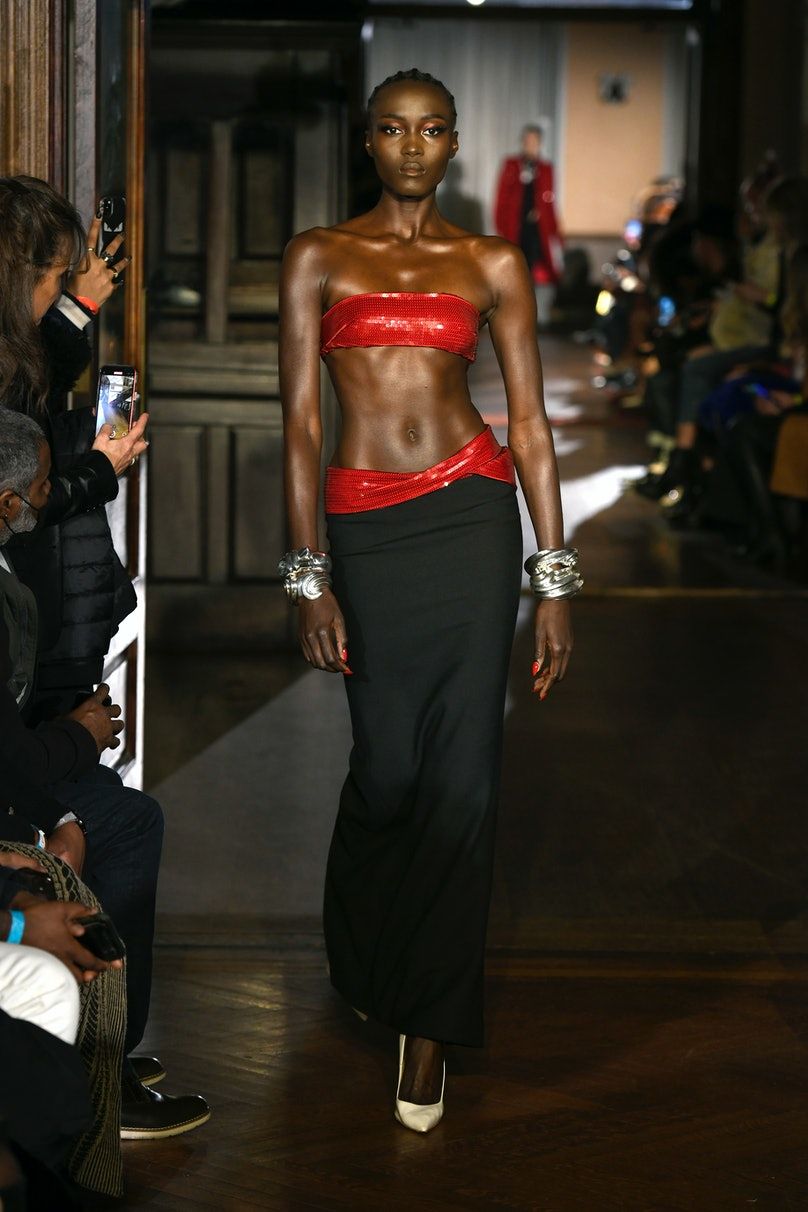
LaQuan Smith

LaQuan Smith

LaQuan Smith

LaQuan Smith


Tory Burch


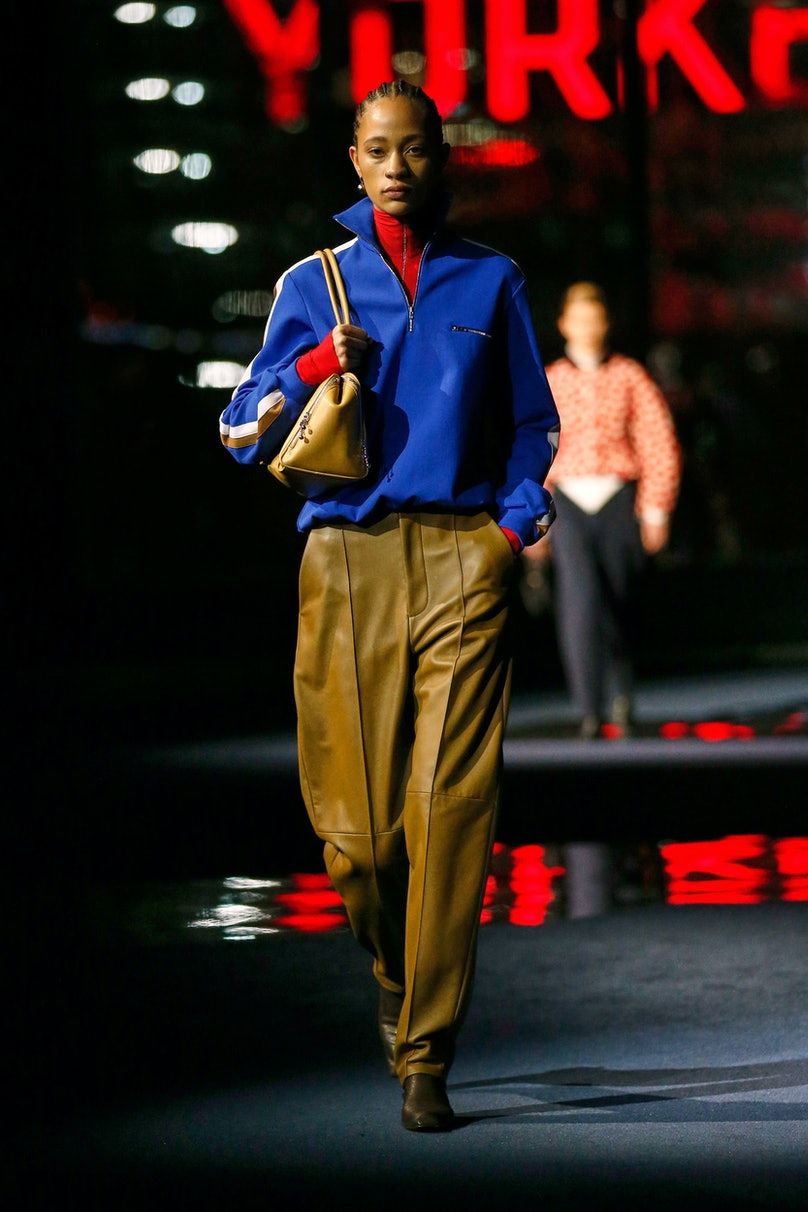
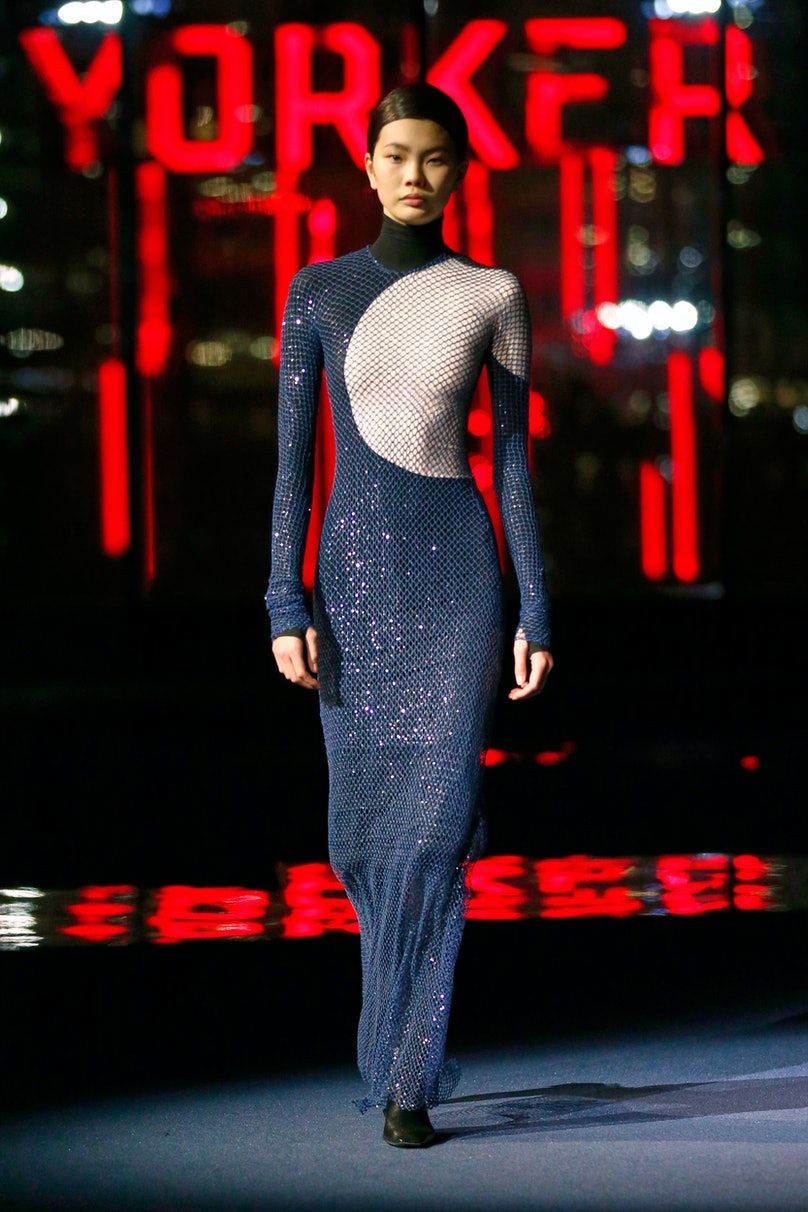
Women on the streets and sidewalks of New York City were the starting point for Tory Burch’s fall 2022 collection. In the show notes the designer explained the impact of observing “unique characters who catch our eye in a fleeting snapshot,” and the desire to provide them with a “toolbox for expressing individual style.” That came in the form of smartly tailored coats and trousers and embellished jersey gowns that were glamorous without sacrificing comfort or ease of movement. For her first evening show, the designer lit up the historic red New Yorker Hotel sign with a laser display that served as the presentation’s backdrop—it was the ultimate love letter to the city that never sleeps.
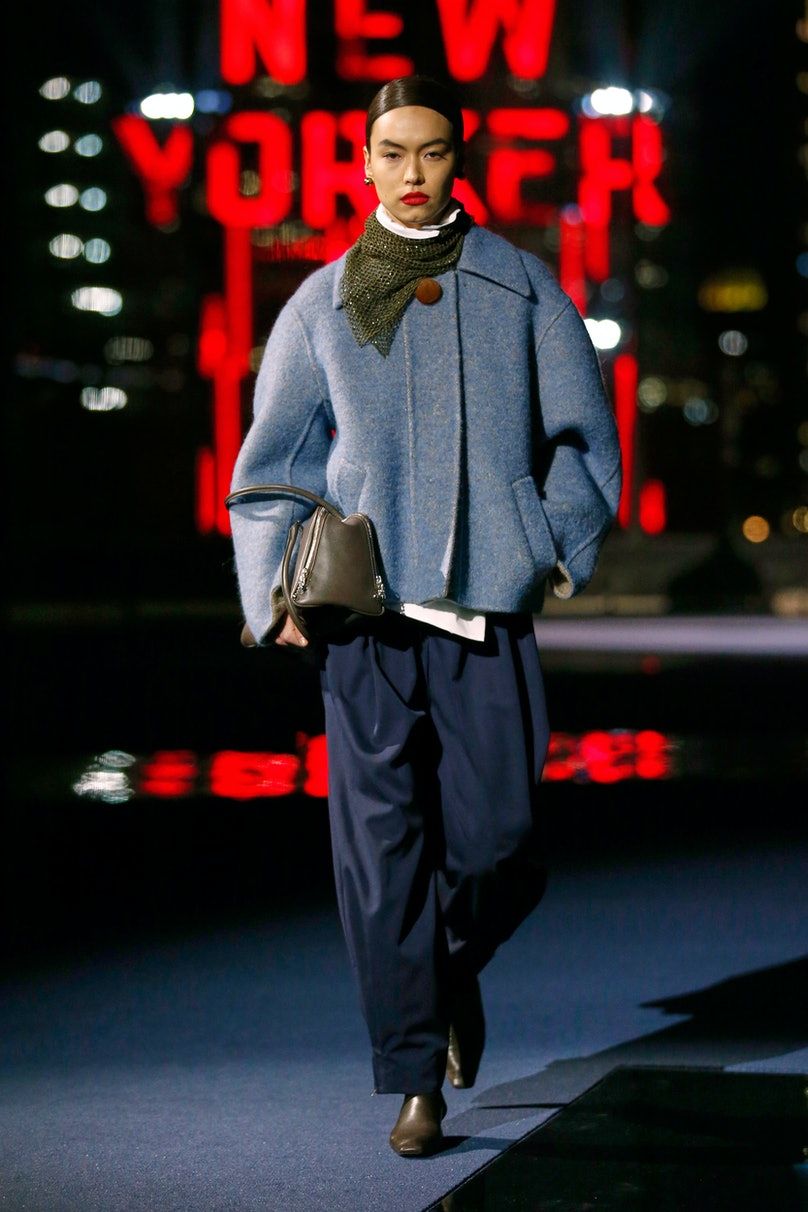
Tory Burch

Tory Burch
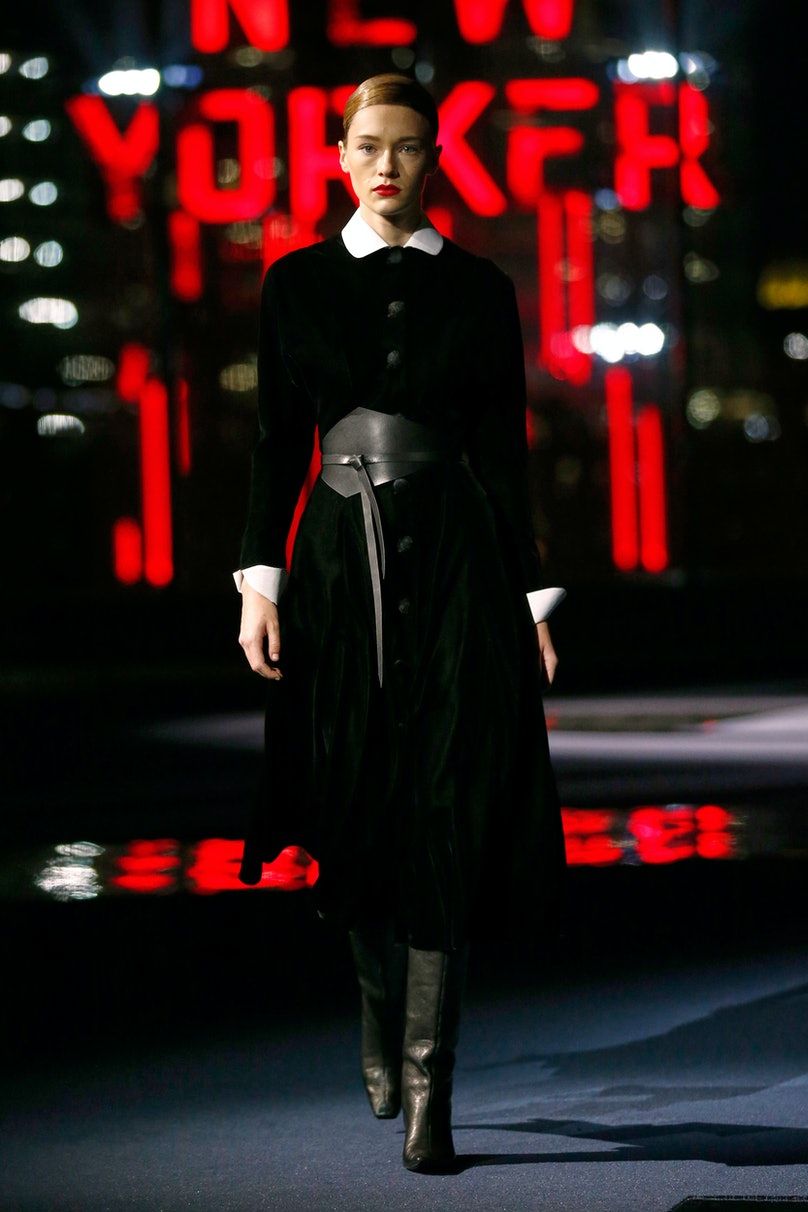
Tory Burch

Tory Burch
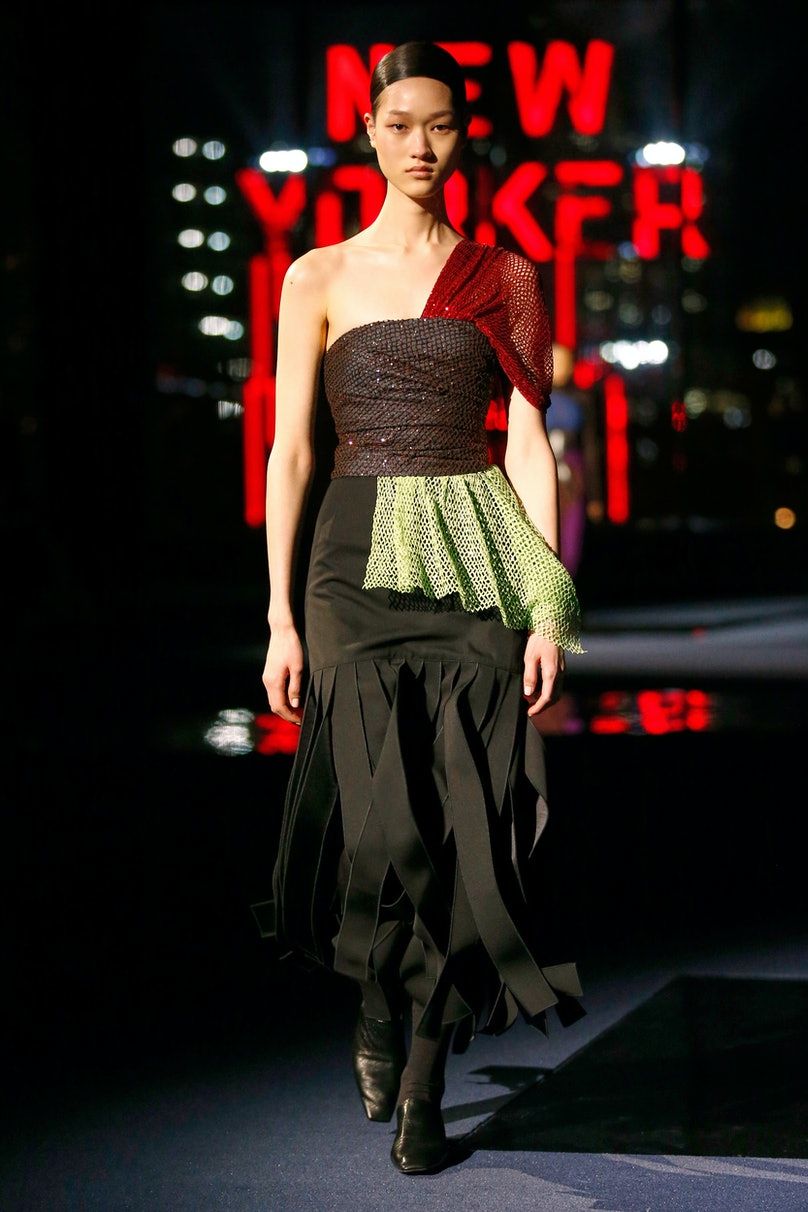

Coach


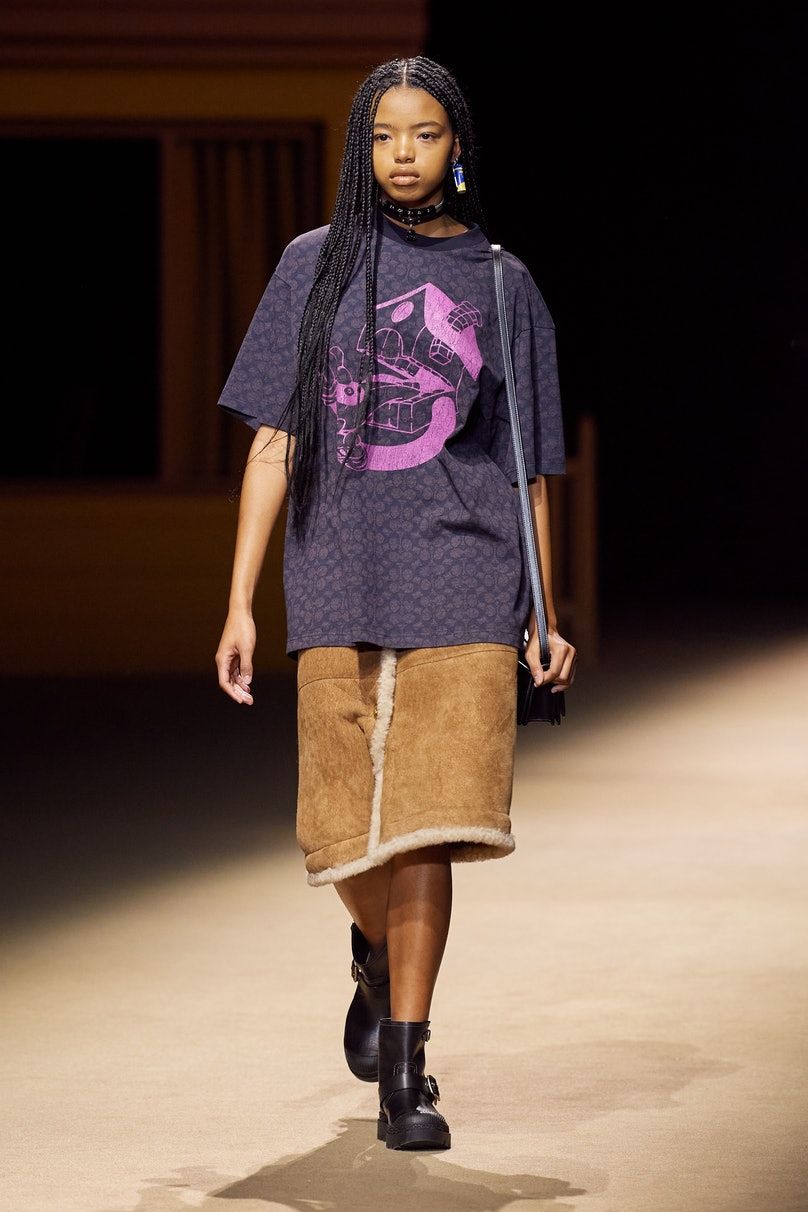
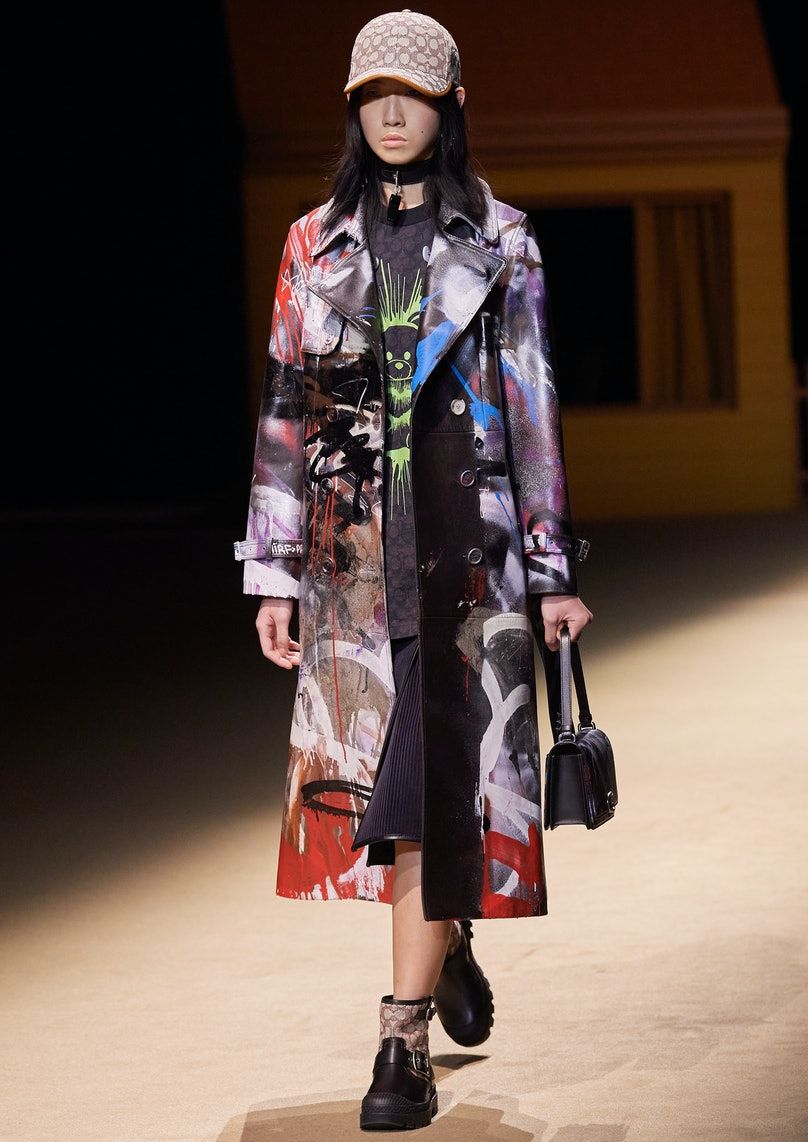
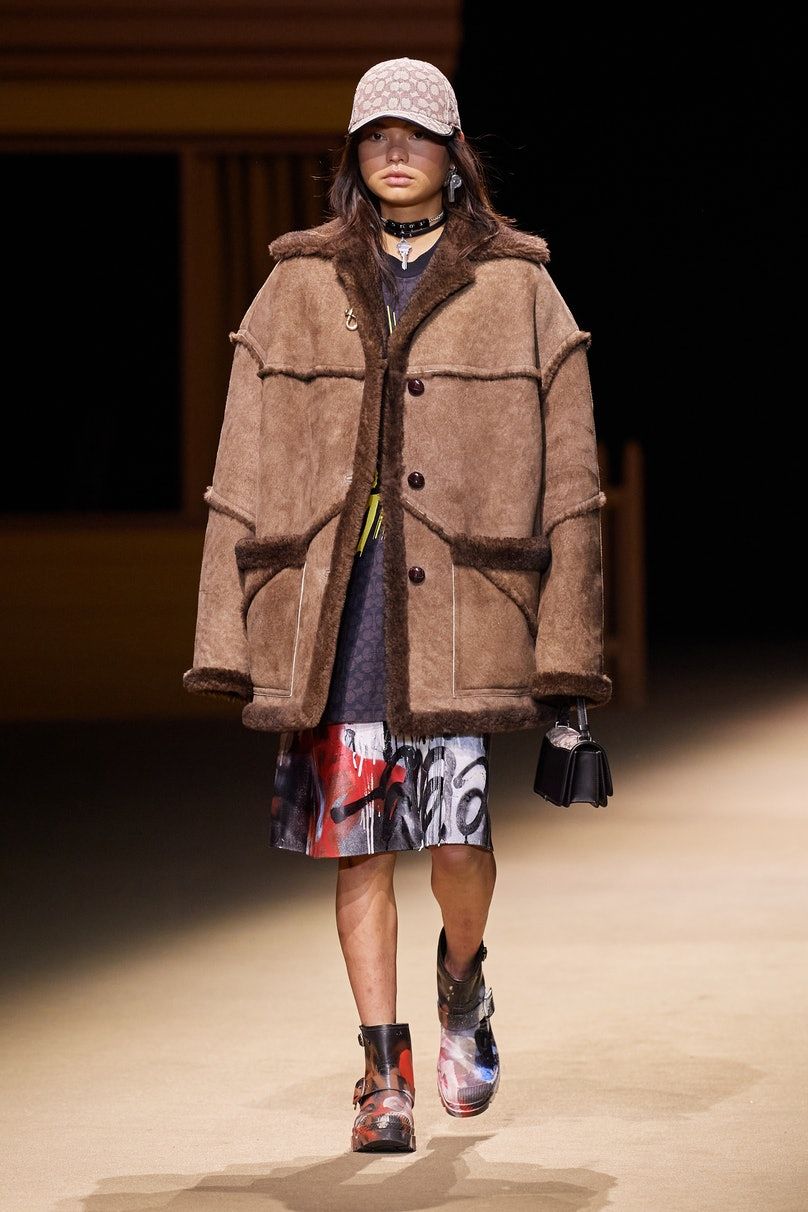
Welcome to Coachville, USA where Stuart Vevers’ interpretation of suburban dressing comes with a healthy dose of subversion. Among the shearling coats and sweet lace babydoll dresses were leather chokers and armbands with whistle charms that recalled New York’s leather bars in the ‘70s. Meanwhile, oversized T-shirts, flat boots and trench coats printed in collaboration with the graffiti artists Mint & Serf were reminiscent of ‘90s skater style. “I liked the idea of creating a nostalgic world somewhere in America seen through a widescreen lens, mixing the energy of today with the nostalgia for pop culture that has always inspired me,” Vevers said in a statement.
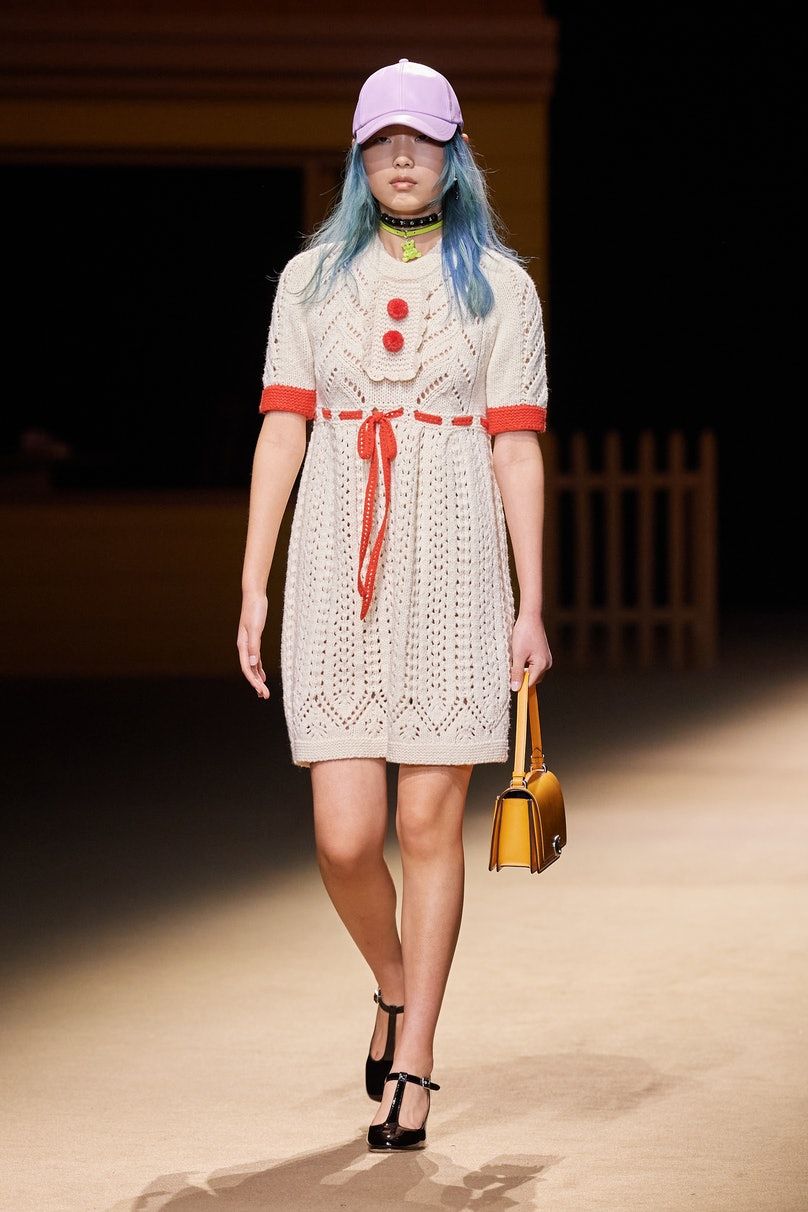
Coach

Coach

Coach

Coach

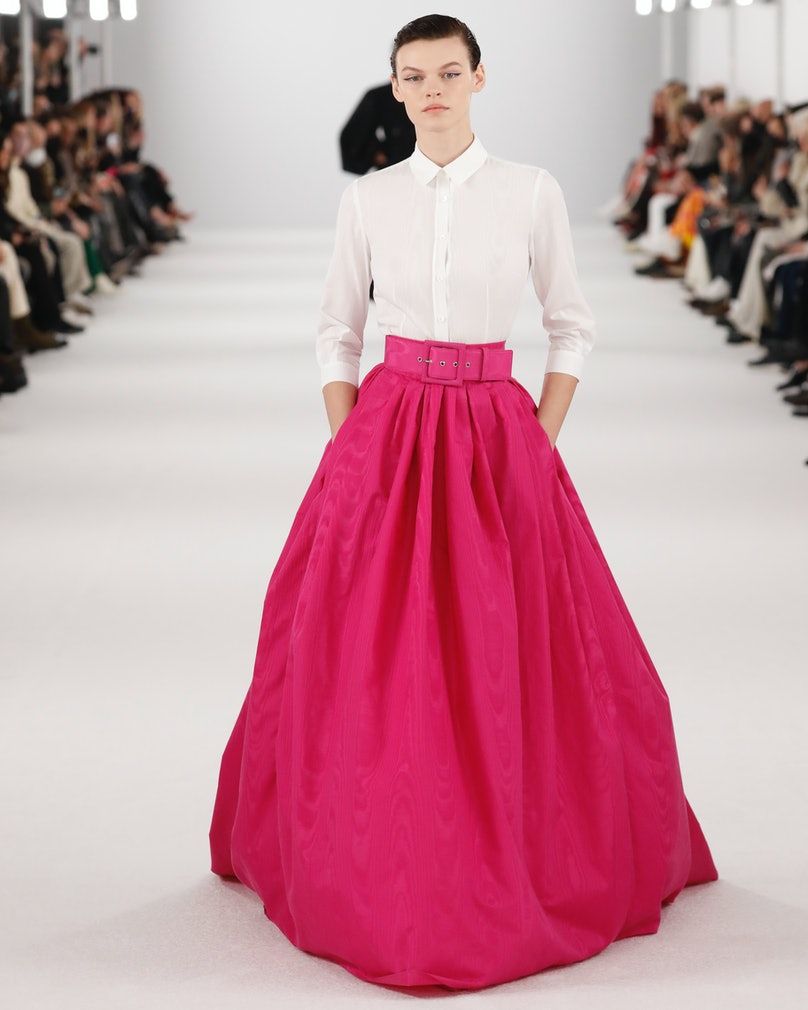
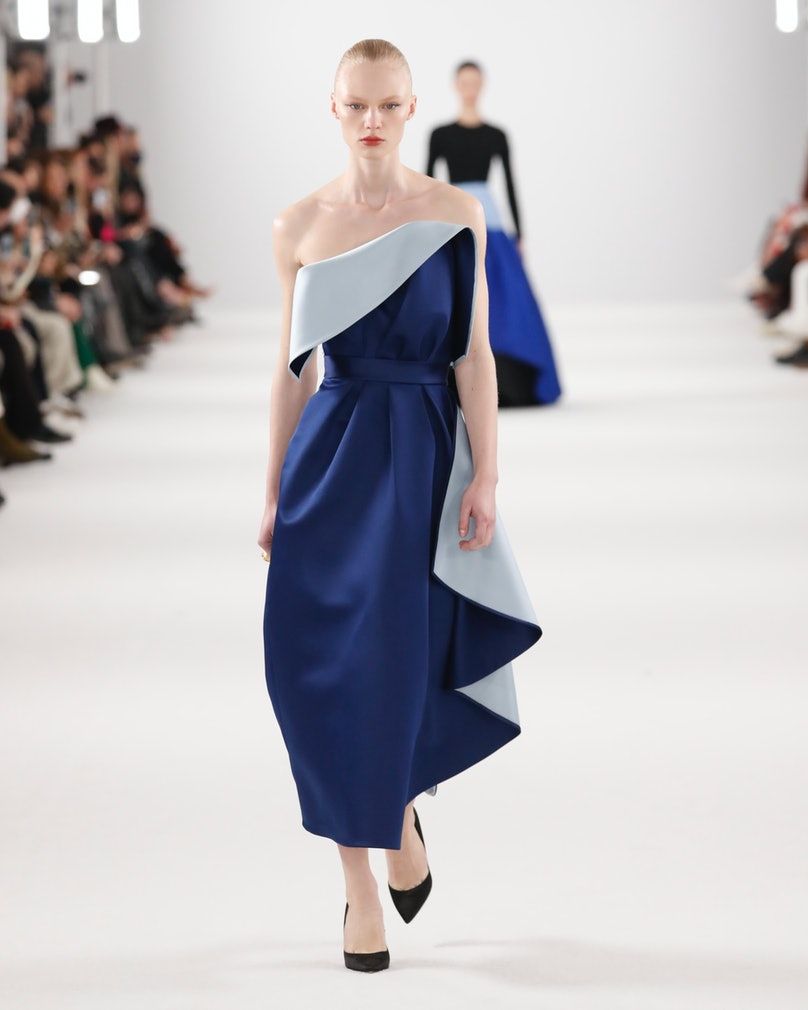
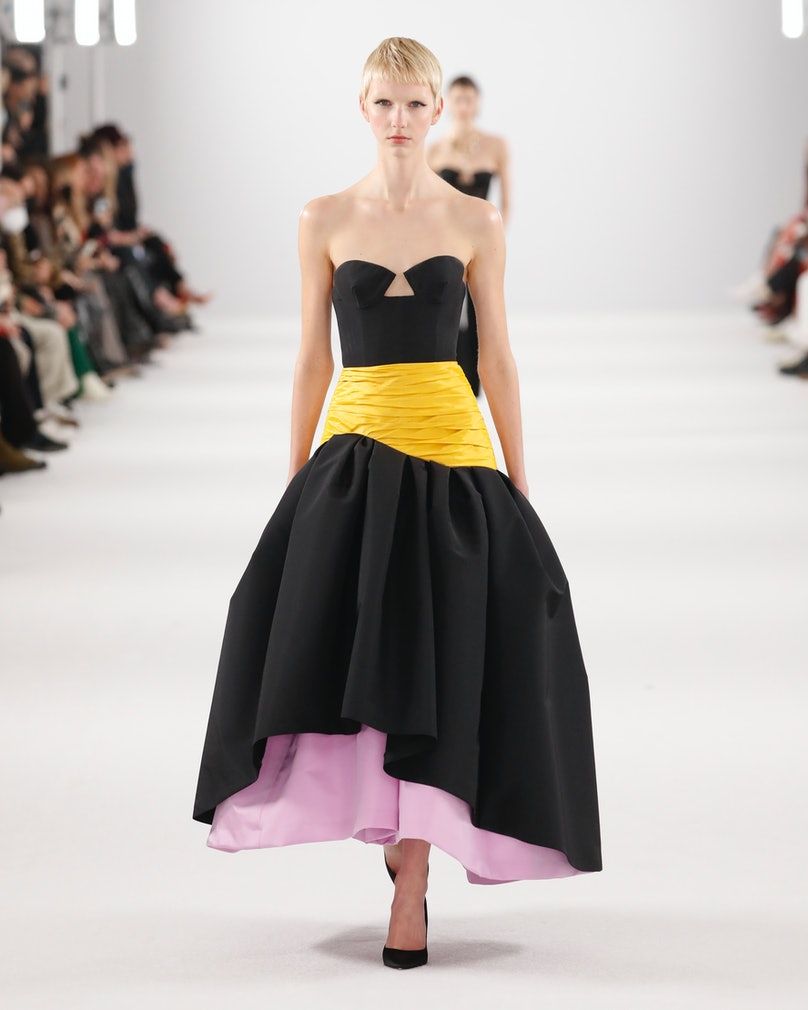
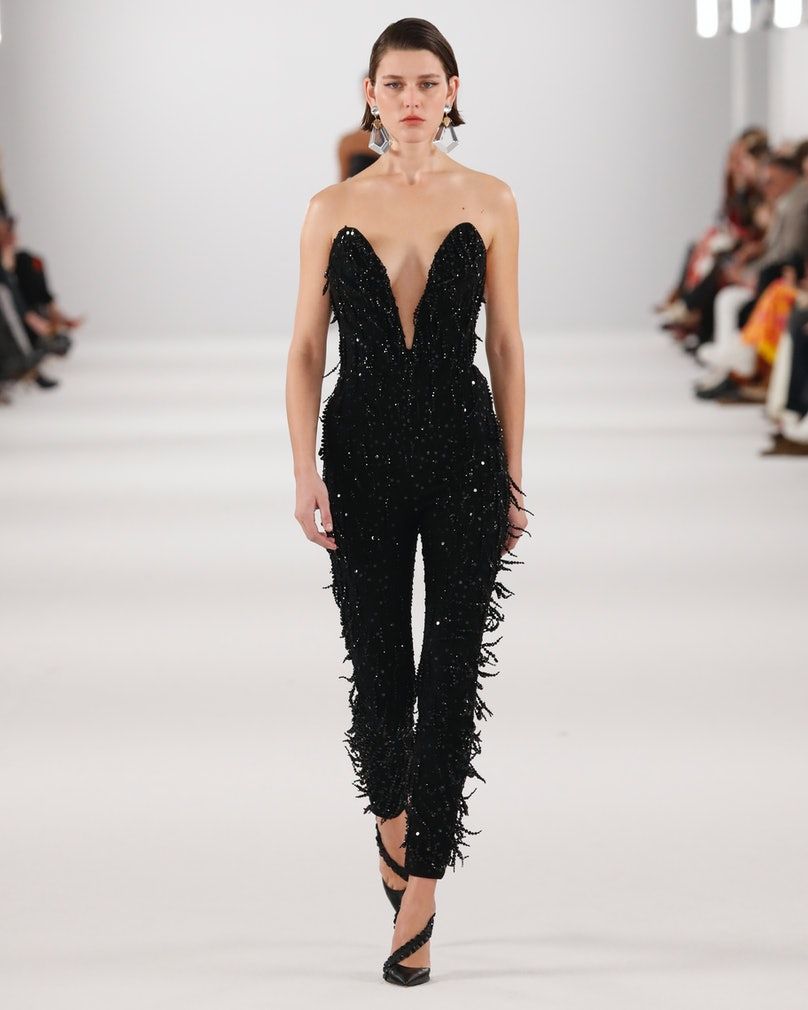
Carolina Herrera


“This season I was inspired by the ocean, seafarers and the myths and mysteries of the underwater world,” Joseph Altuzarra explained in a statement. “I wanted the collection to not only evoke the intrepid and adventurous spirit of sailors and world travelers, but also the mystery and darkness of the ocean’s depths, populated with mermaids and mythological creatures.” The allusion to high sea explorers could be found in mariner stripe knits and shearling accented peacoats. Precisely scalloped micro knits stood in for fish scales on body-conscious tops and skirts. But the real catch of the collection was its series of fully embellished mermaid gowns that with every swish could be heard as clear as the crashing tide.
Carolina Herrera

Carolina Herrera
Carolina Herrera


Altuzarra



“This season I was inspired by the ocean, seafarers and the myths and mysteries of the underwater world,” Joseph Altuzarra explained in a statement. “I wanted the collection to not only evoke the intrepid and adventurous spirit of sailors and world travelers, but also the mystery and darkness of the ocean’s depths, populated with mermaids and mythological creatures.” The allusion to high sea explorers could be found in mariner stripe knits and shearling accented peacoats. Precisely scalloped micro knits stood in for fish scales on body-conscious tops and skirts. But the real catch of the collection was its series of fully embellished mermaid gowns that with every swish could be heard as clear as the crashing tide.
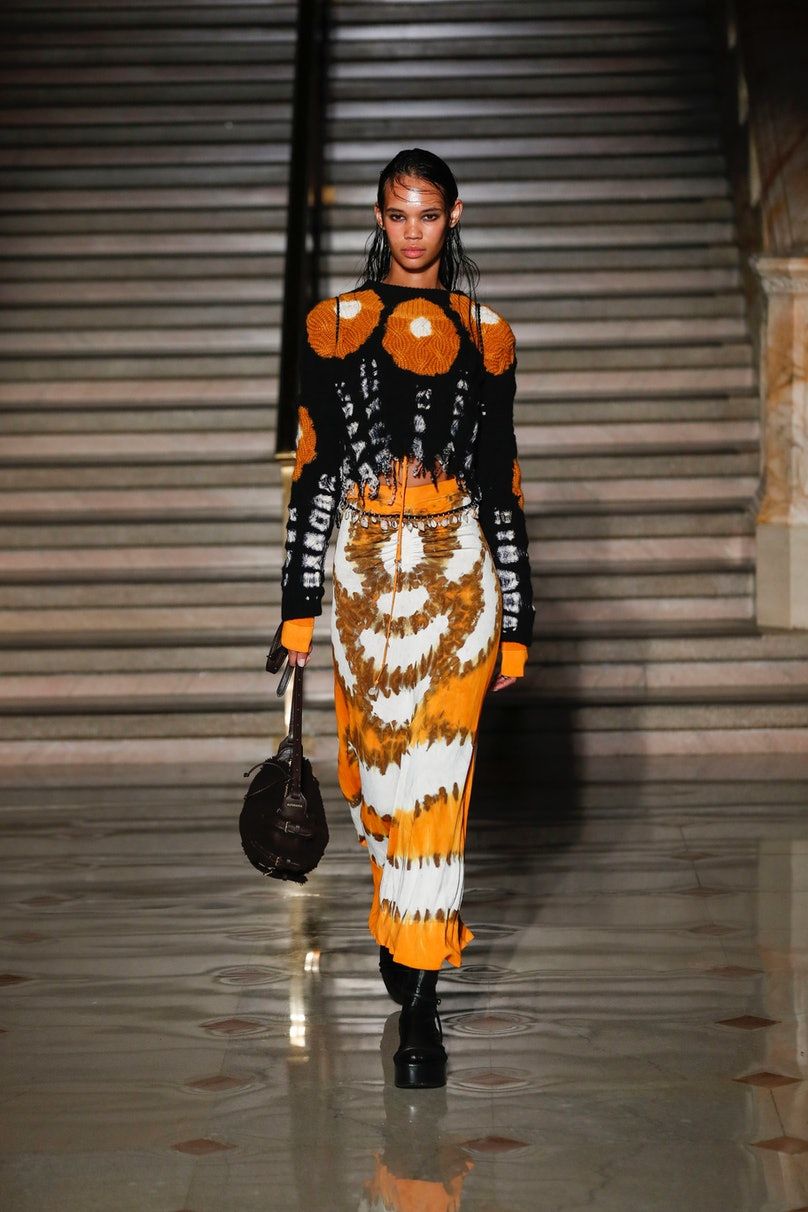
Altuzarra

Altuzarra

Altuzarra


Puppets and Puppets


Khaite


Designer Catherine Holstein gave New York Fashion Week spectators a look into the Khaite girl’s closet. What might someone like Hailey Bieber, Kaia Gerber, or Selena Gomez—all of whom are fans of the brand—wear to work (this suit) or a friend’s wedding (a tea length décolleté-baring dress) or, say, dinner at Carbone (a PVC trench over a slinky mock neck gown)? For fall 2022, Holstein interpreted all the label’s signature codes through a lens of functionality, femininity, and, above all, sexiness.

Khaite

Khaite

Khaite

Khaite
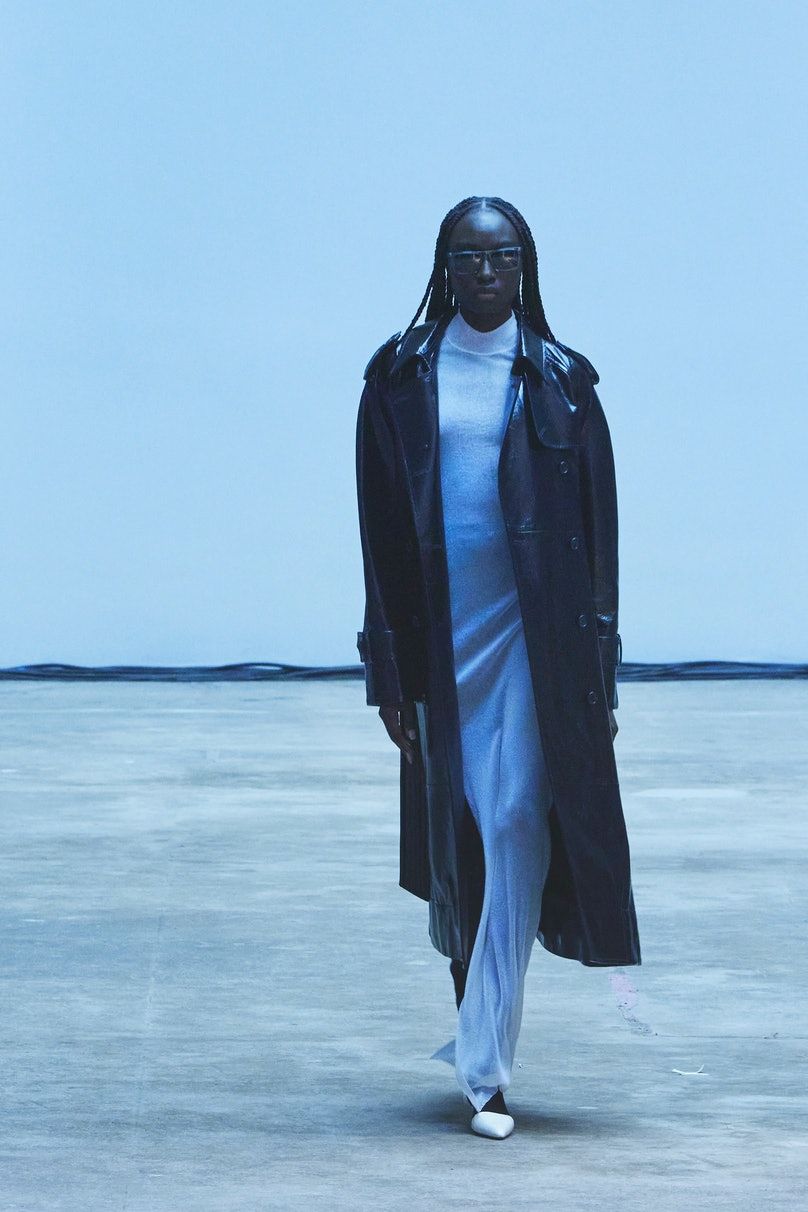

House of Aama


Ulla Johnson


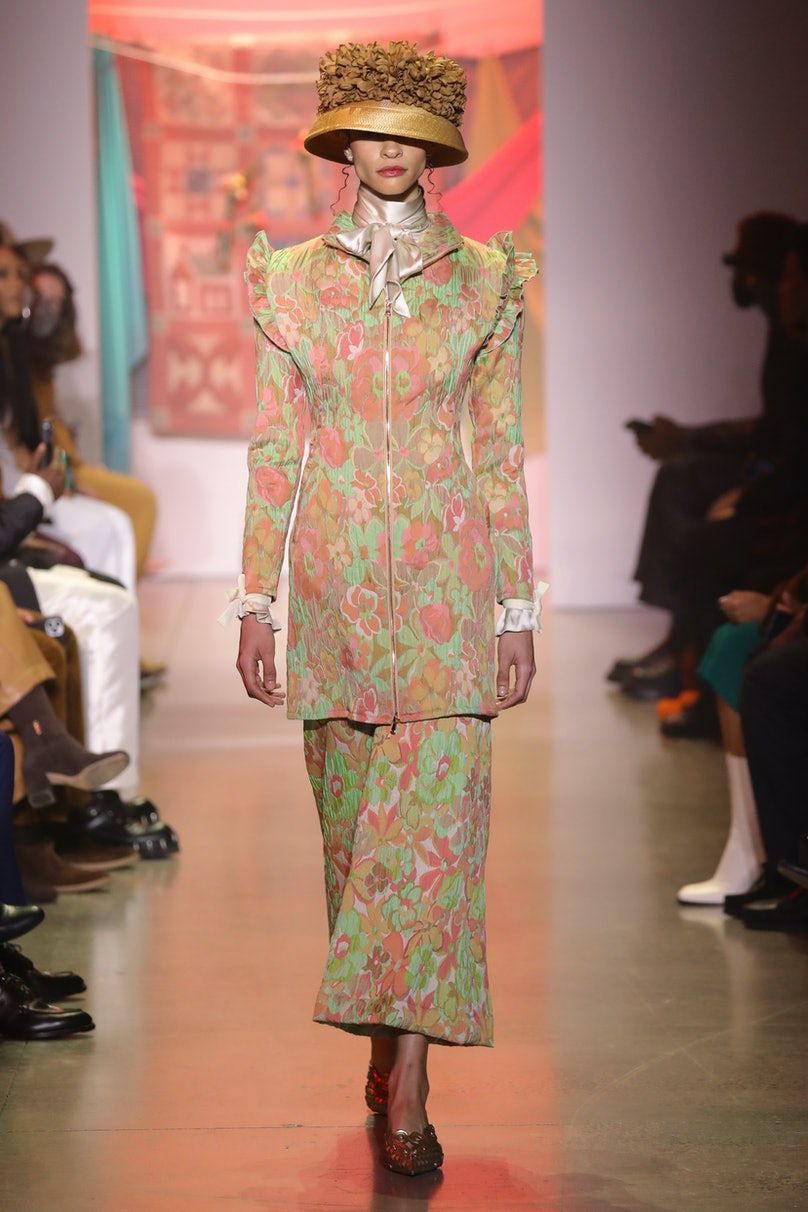
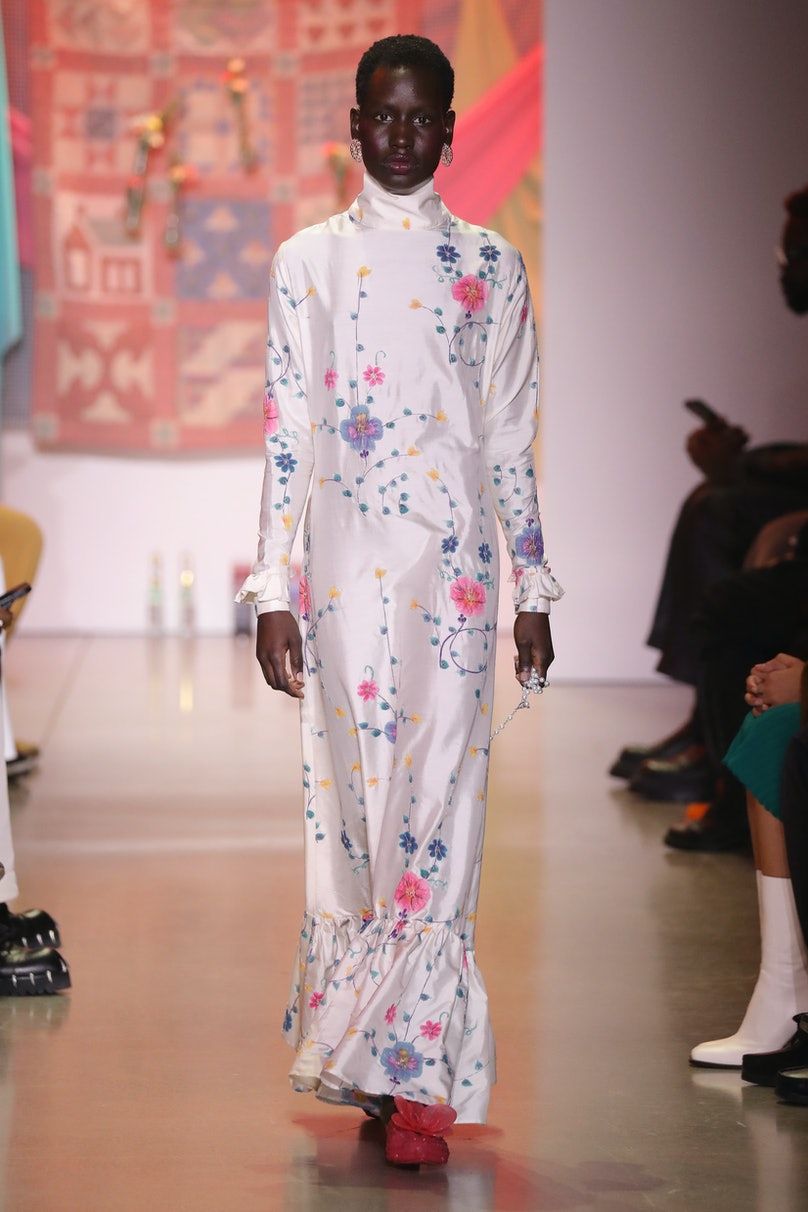
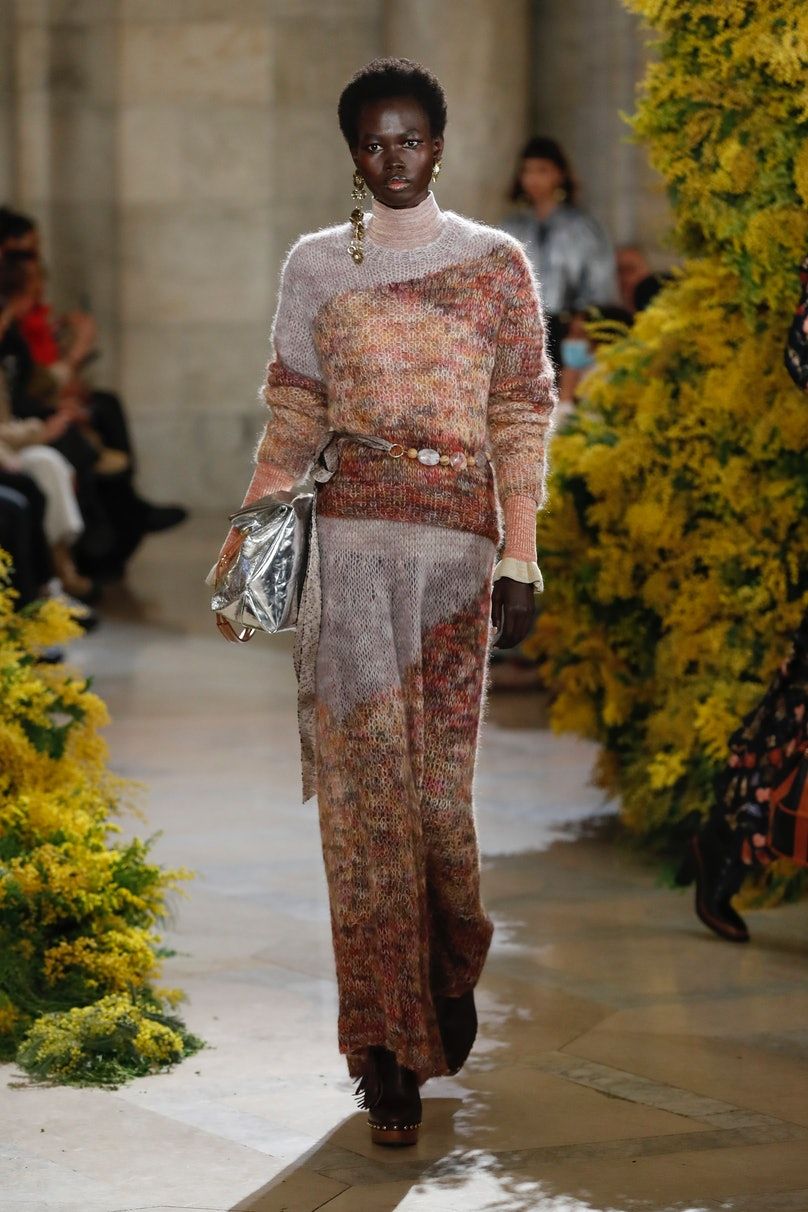
Ulla Johnson may be a brand known for its soft, girly dresses rendered in floral prints with ruffle accents, but the designer showed her range at New York Fashion Week this season. Putting her own spin on knits, minibags wore around the neck, and even a single pair of wide-leg jeans, Johnson demonstrated the wearability of her creations—on and off the runway.
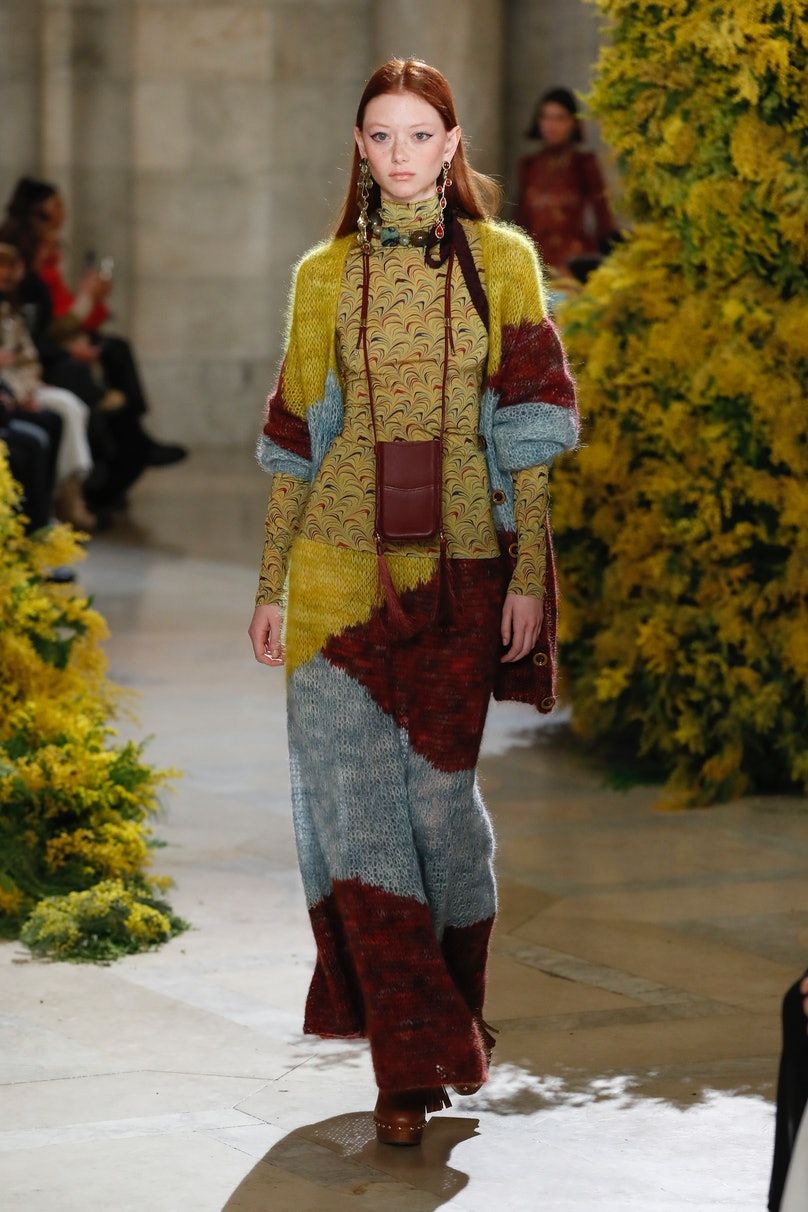
Ulla Johnson

Ulla Johnson

Ulla Johnson

Ulla Johnson


Eckhaus Latta


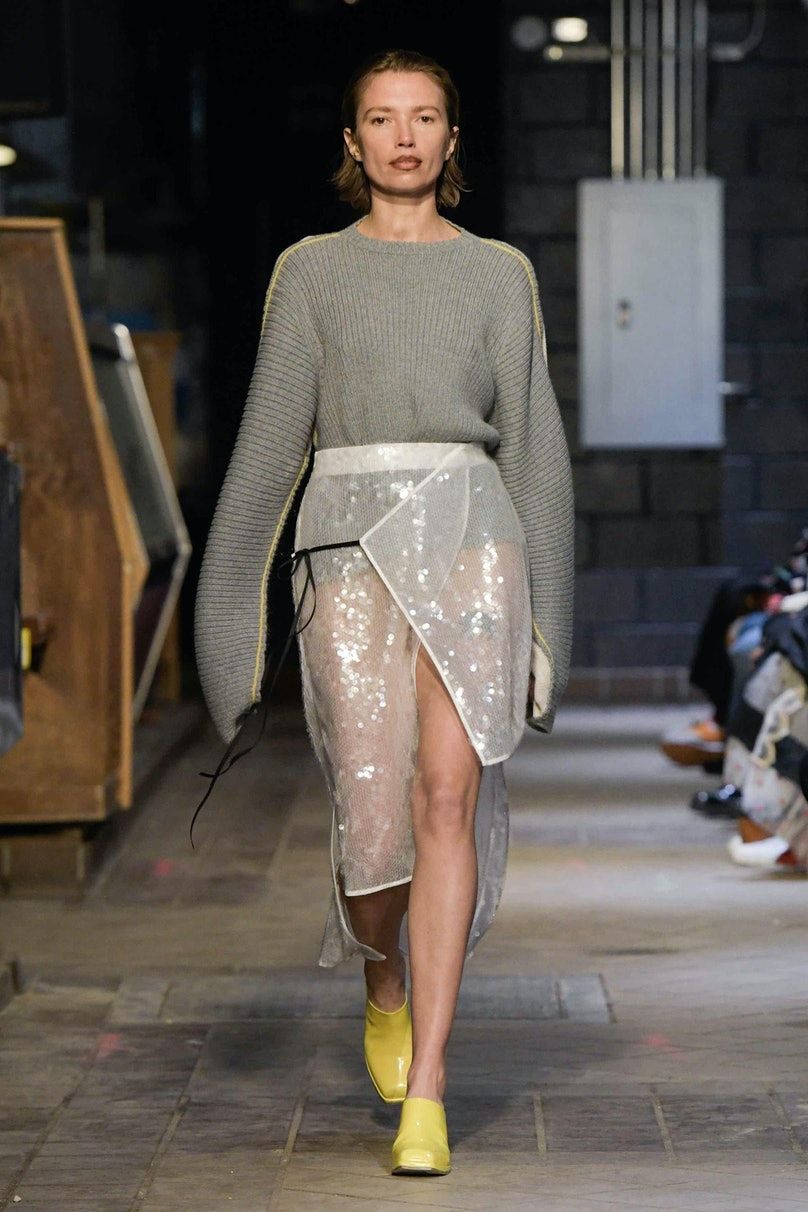
On Saturday, February 12, the chilly, abandoned, industrial space that was once the Essex Meat Market on New York City’s Lower East Side was the place to be. Inside the hollowed-out marketplace, which was still filled with old refrigerated cases and wooden boxes for produce, Mike Eckhaus and Zoe Latta showed their fall 2022 Eckhaus Latta collection. This was a special one for two designers who have become synonymous with downtown cool kids—2022 marked 10 years for Eckhaus and Latta in the fashion business. To celebrate, the designers created a line marked by its stellar patterned knitwear, tons of paillettes and sequins, and chunky platform boots and mules in all kinds of colorways. Following the show, guests trooped to The Standard East Village Penthouse for an If You Know You Know after party—but the line to get in was so long that some opted to hang out in the downstairs café instead.

Eckhaus Latta

Eckhaus Latta

Eckhaus Latta


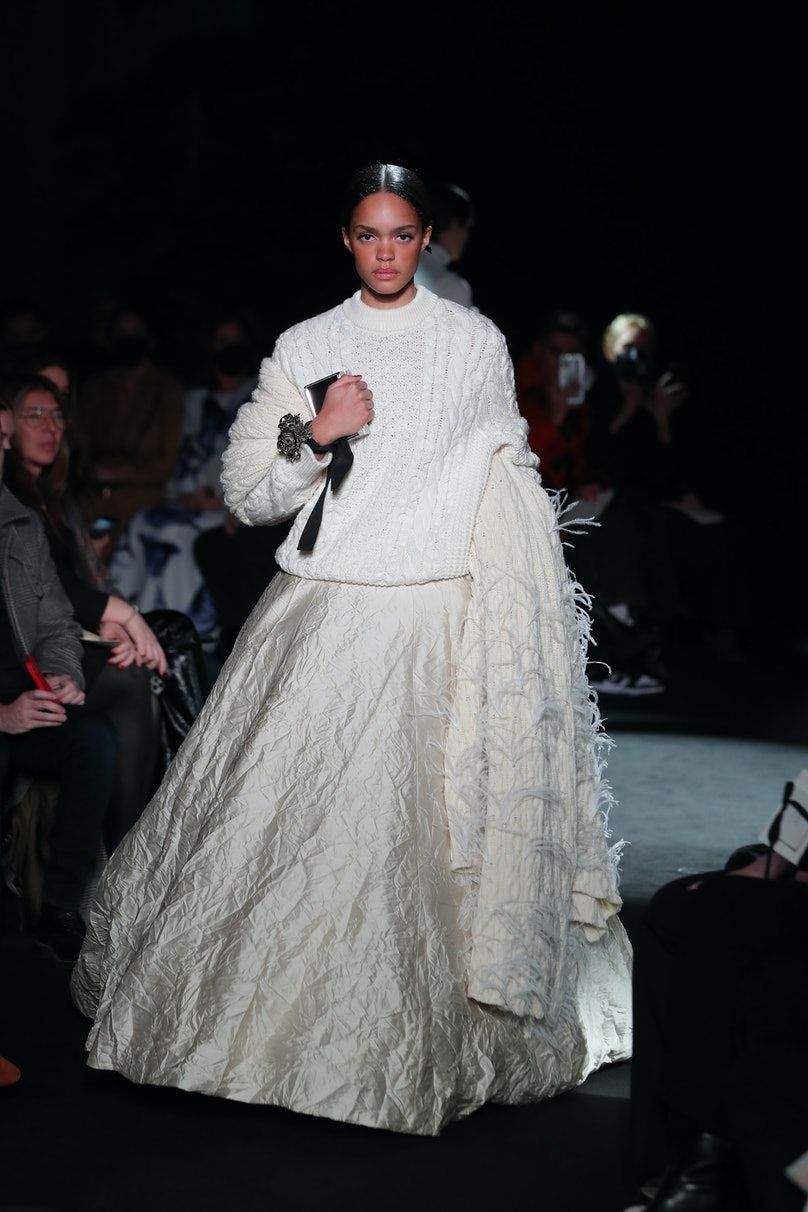
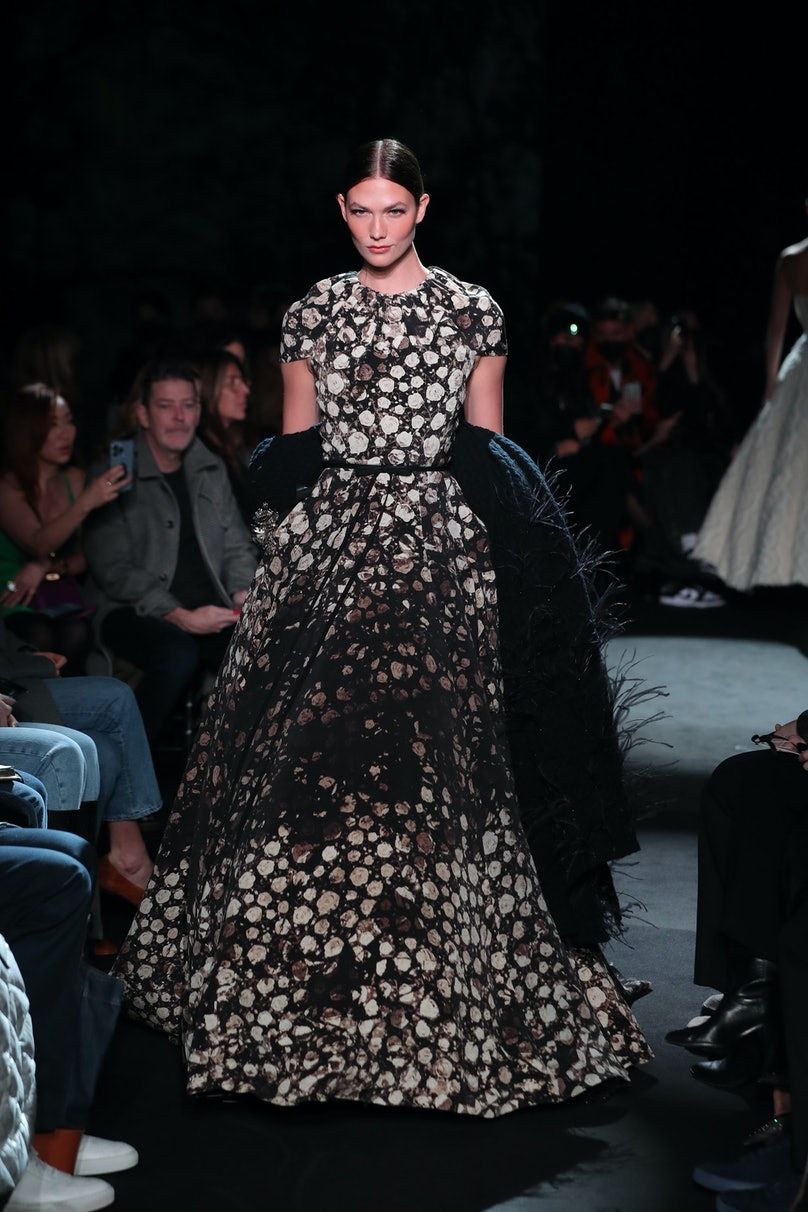
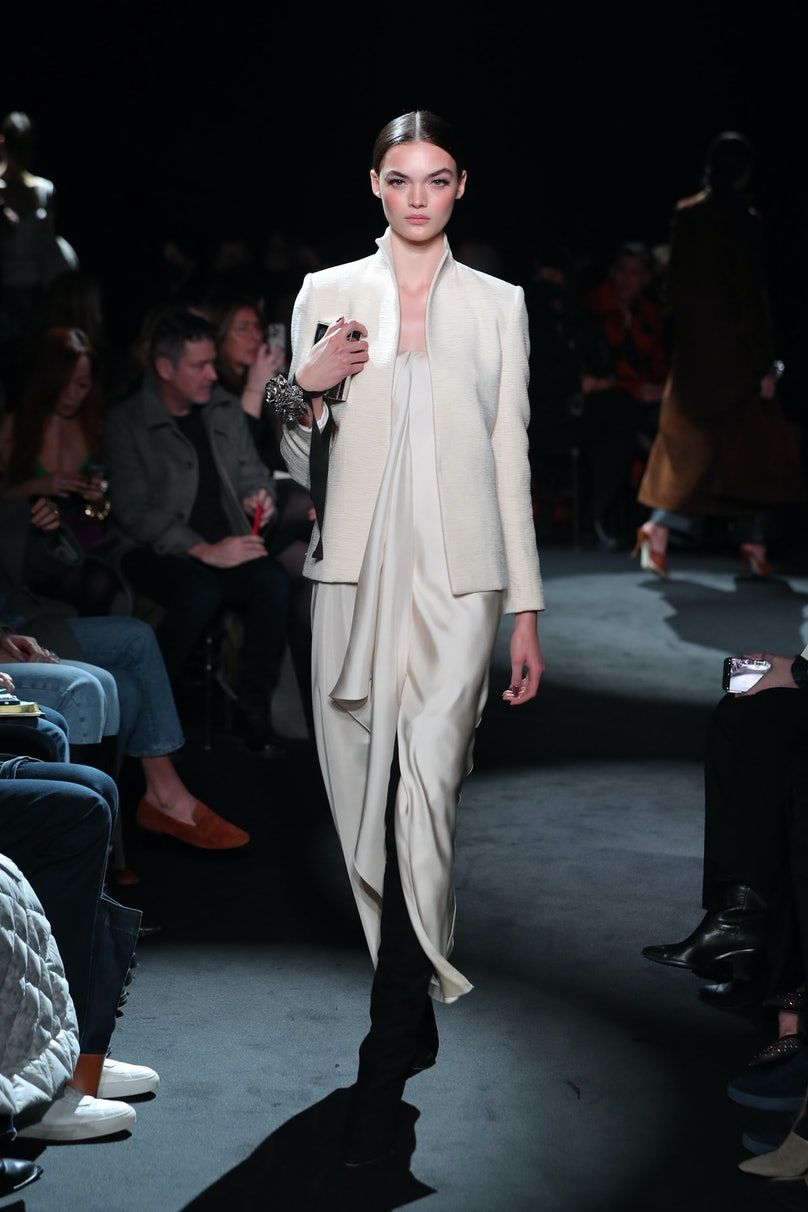
Brandon Maxwell


This season, the Texas native paid homage to his grandmother, a boutique manager who inspired his life’s work and is currently suffering from Alzheimer’s. Drawing inspiration from memories of “bed sheet and blanket ball gowns accessorized with her emptied out jewelry boxes,” the designer delivered evening wear spliced with chunky knits and crushed satin overcoats topped with sumptuous shawls. For the final look, as modeled by Karlie Kloss who both opened and closed the show, the designer lifted a rose painting created by his grandfather for his bride—a fitting valentine and tribute to “65 years of love and the seams that hold it together.”
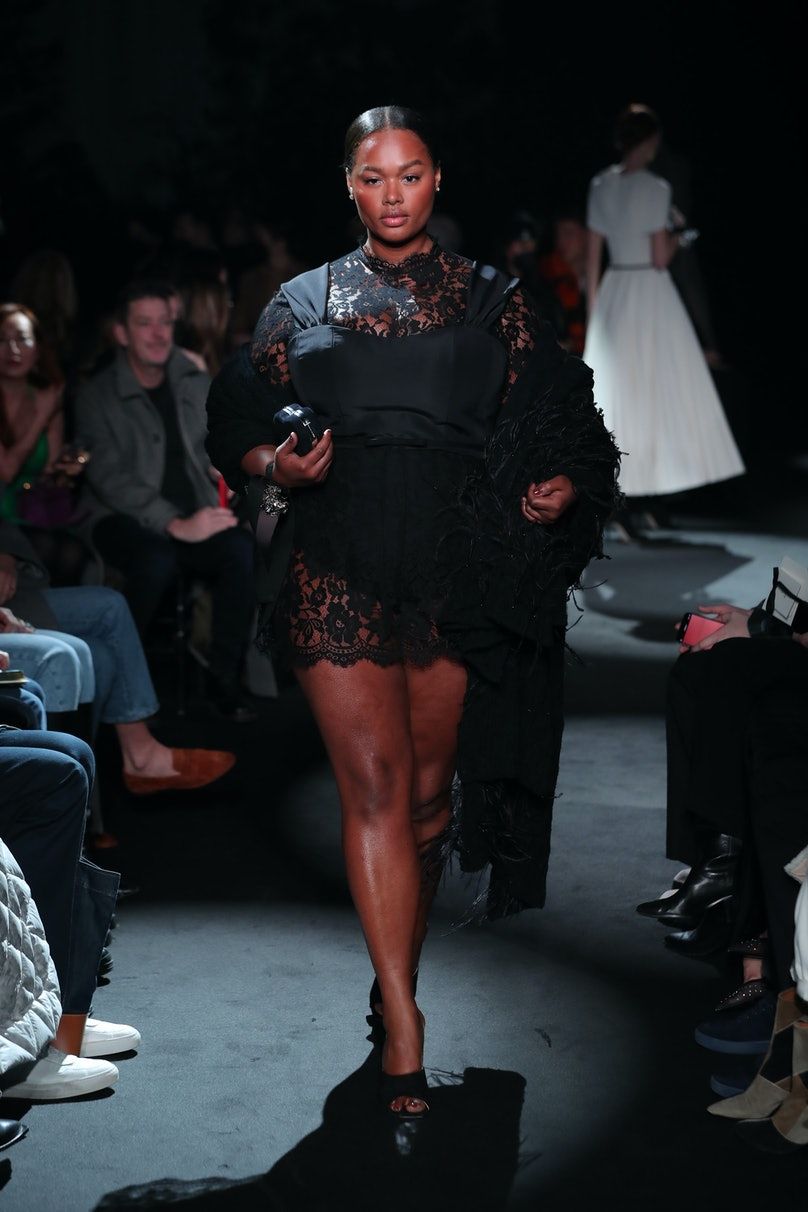
Brandon Maxwell

Brandon Maxwell
Brandon Maxwell

Brandon Maxwell

Kim Shui


Christian Siriano


Jason Wu


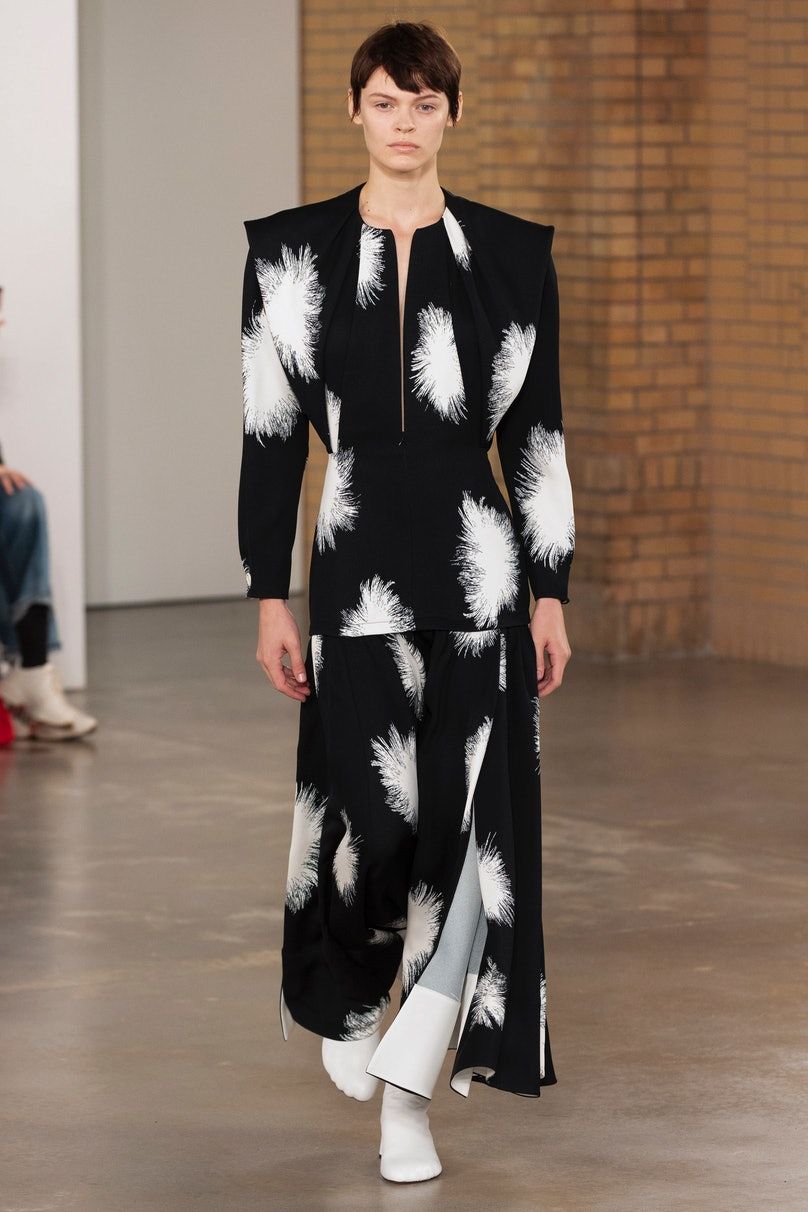
Proenza Schouler



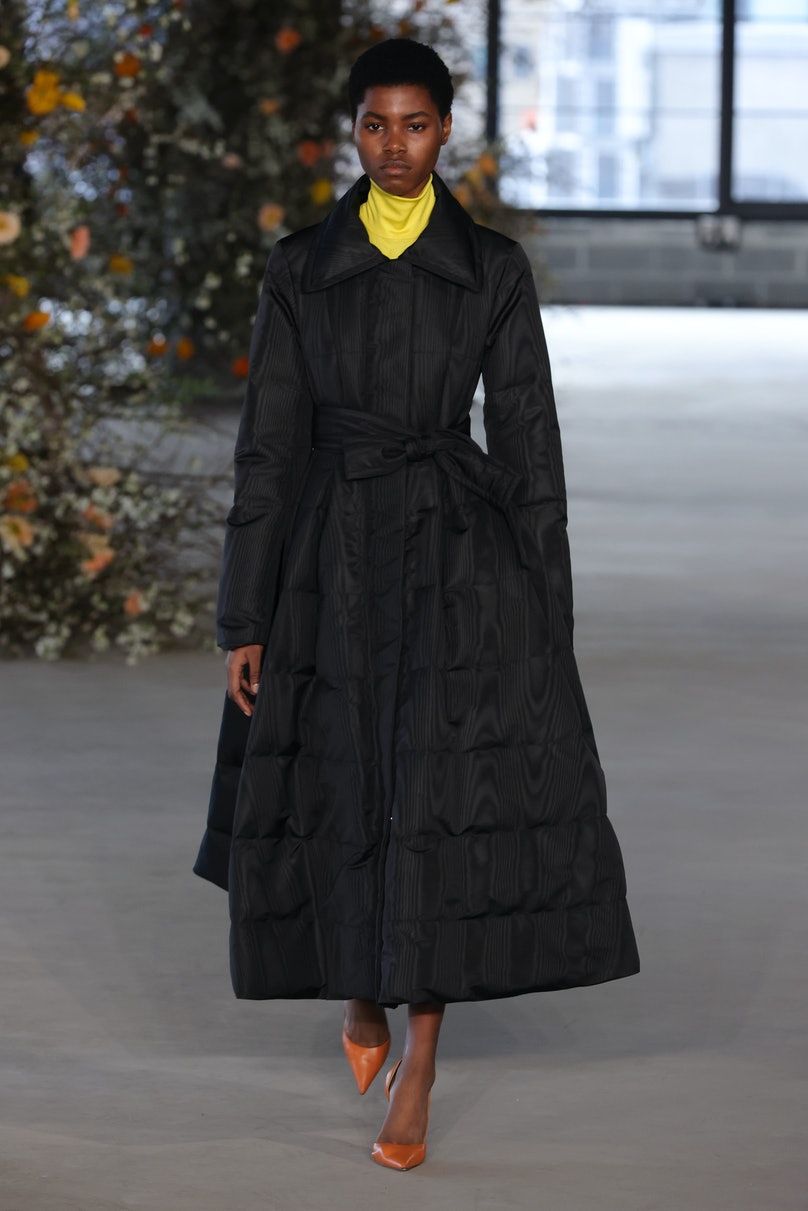
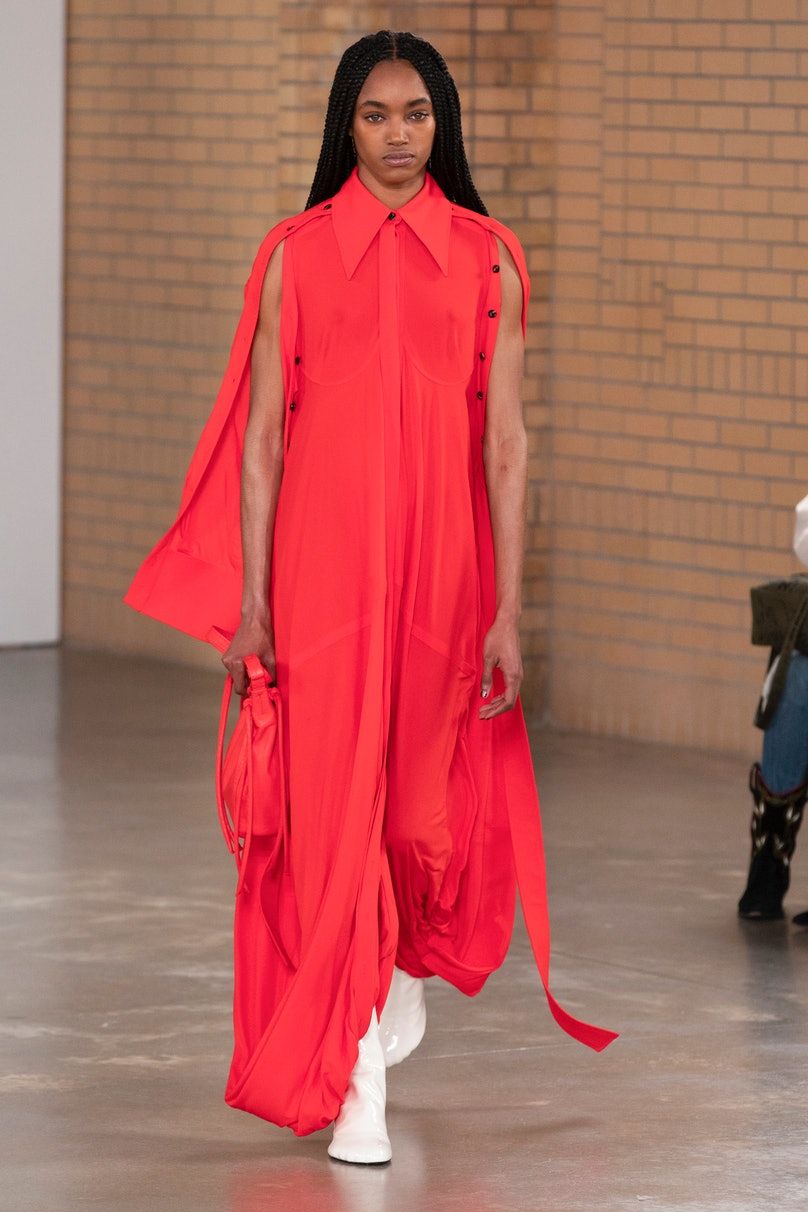
In lieu of the typical show notes, Proenza Schouler’s Lazaro Hernandez and Jack McCollough provided guests at their fall 2022 show with a short story written by Ottessa Moshfegh. Its title: “Where Will We Go Next?” After nearly two years of lockdown and dressing for no one, the collection explored a new sophisticated sensuality that’s meant to be seen. Waists were cinched without being constricting, shoes were flat but with sculpted toes to hint at what lies beneath. Silhouettes were fluid, the tailoring strong, and the details, subtle but striking —especially a divine twist down the back of a white sequin gown. As a whole, the tightly edited 35 looks offered a return to dressing with undeniably cool ease.
Proenza Schouler

Proenza Schouler
Proenza Schouler

Proenza Schouler
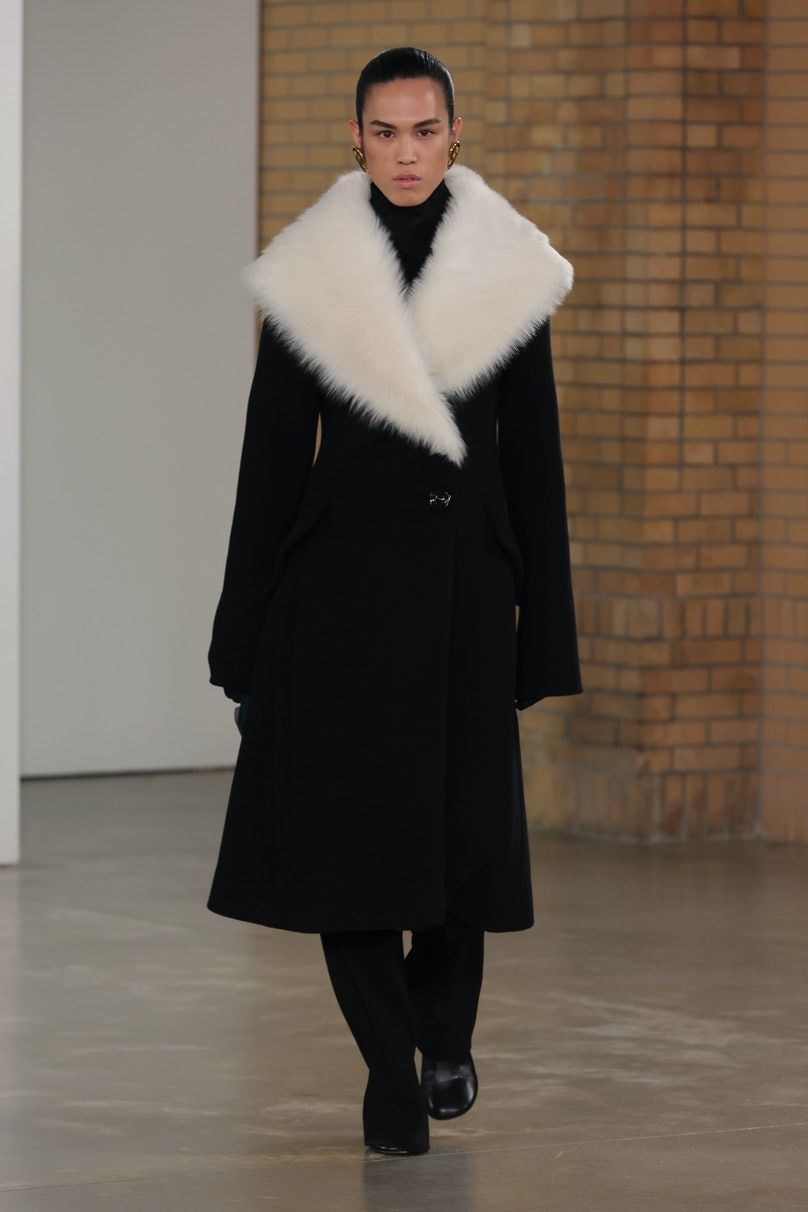

The Row


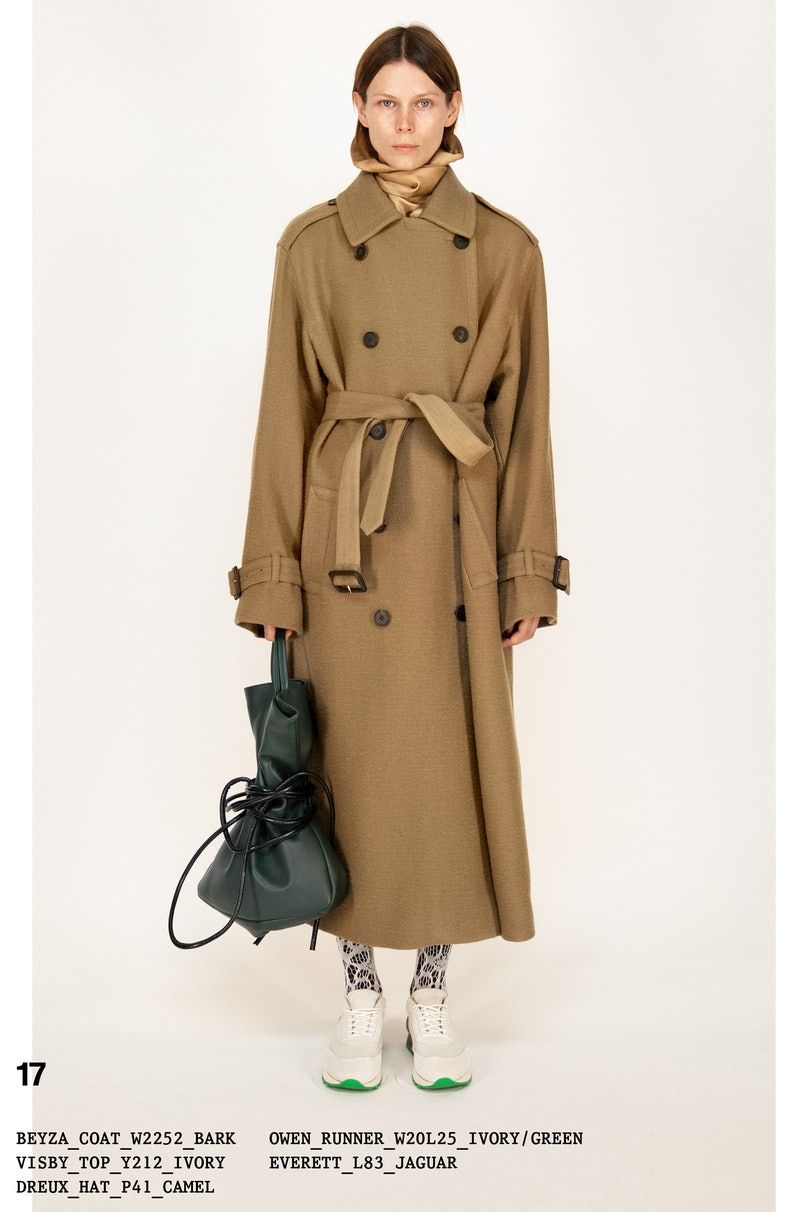
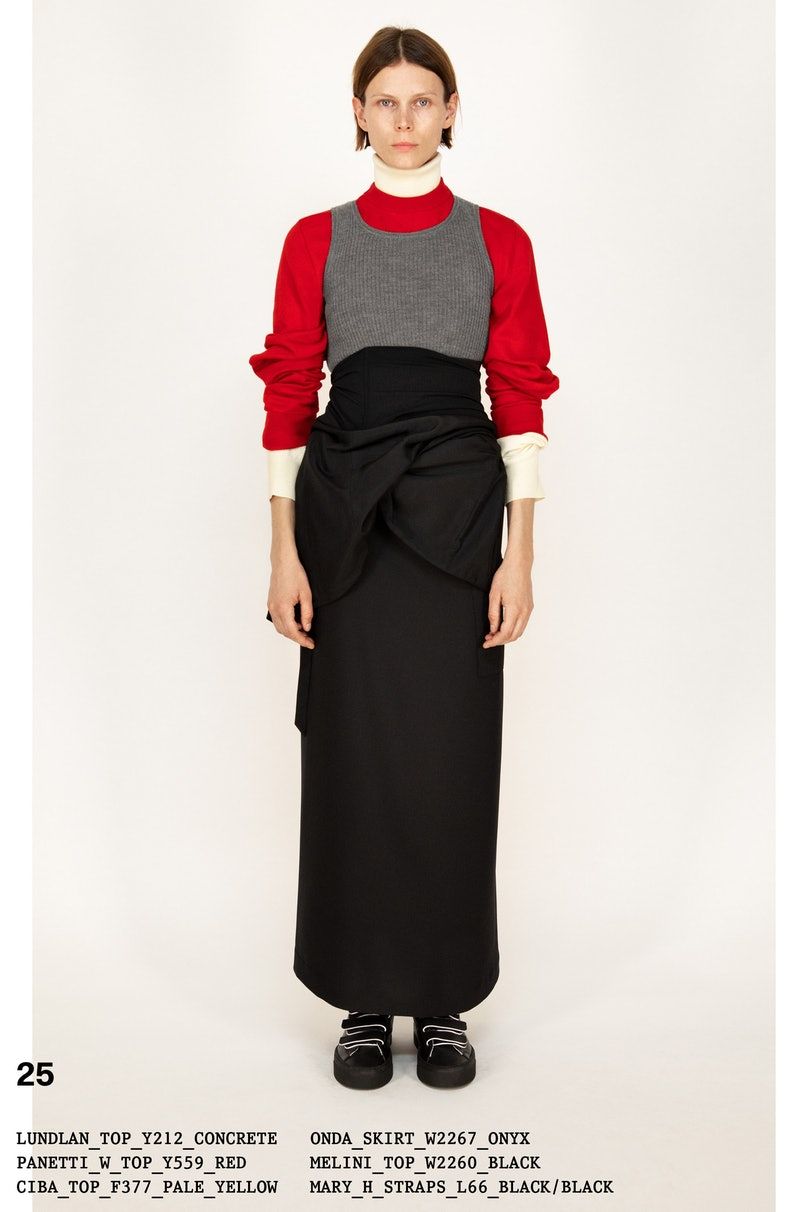
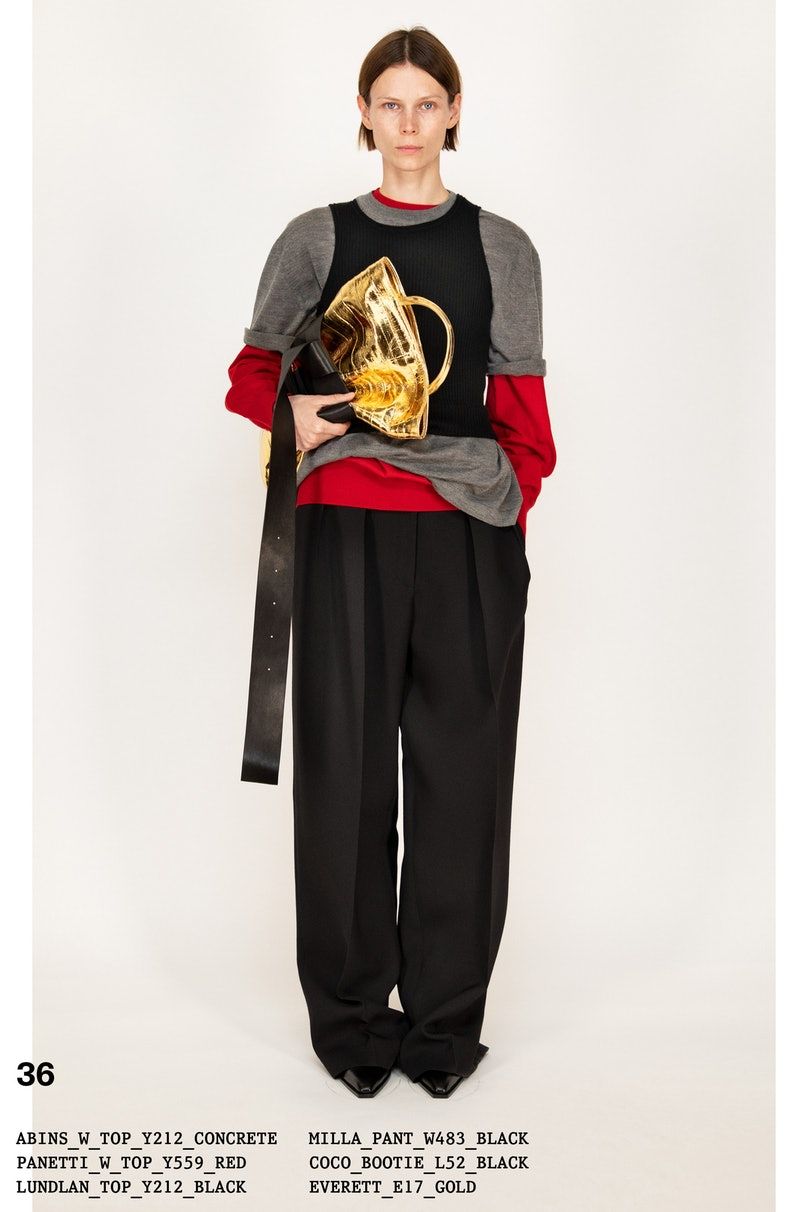
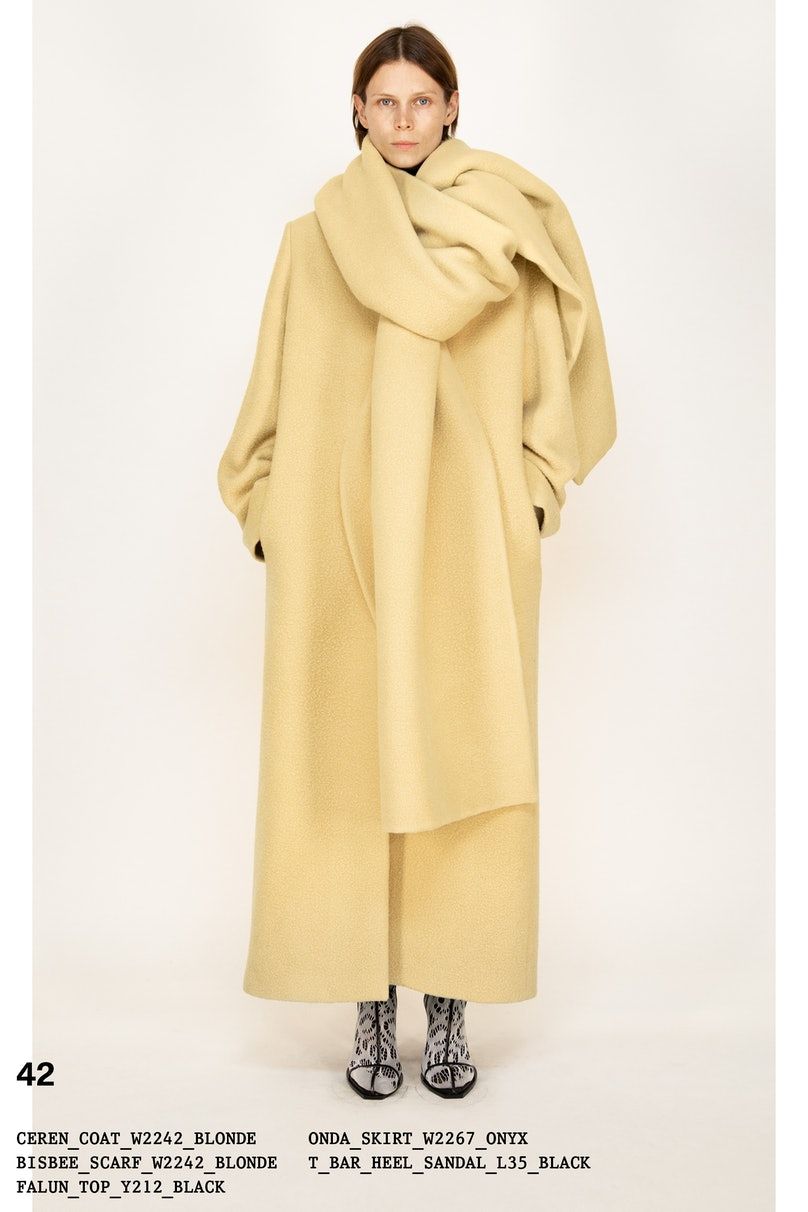
Two weeks ahead of New York Fashion Week The Row offered a glimpse at what’s to come for next season. For their fall 2022 collection, Mary Kate and Ashley Olsen ventured beyond their usual neutral palette to incorporate kelly green, scarlet, tangerine, and amethyst separates among their layered, expertly-tailored looks. For longtime fans of the New York label, there are still plenty of khaki, navy, and black looks to choose from. But the bursts of vibrant color hint at brighter fashion days ahead.
The Row

The Row
The Row

The Row
The Row


The July launch links credit-card spending and rewards to Kimi memberships and AI computing benefits, although some claims about conversational banking functions go beyond what the companies’ official materials currently confirm.
Chinese artificial-intelligence company Moonshot AI has launched a Kimi-branded credit card with Agricultural Bank of China and American Express, bringing AI subscriptions and computing-related rewards directly into a mainstream banking product.

The card became available in mainland China on July 10, 2026, after opening for reservations in June.

Kimi and some reports have described it as the world’s first “AI-native” credit card, although that designation is a marketing description rather than an independently established industry category.

:contentReference[oaicite:0]{index=0}

The most significant verified feature is not that artificial intelligence replaces the bank’s conventional credit-card infrastructure.

Instead, Kimi services are built into the card’s membership and rewards proposition.

Kimi’s own explanation says an AI-native credit card embeds Kimi membership, credits and related benefits into card opening and points-based spending, while also offering AI-oriented activities such as prompt courses and sharing sessions.

Agricultural Bank of China remains responsible for the credit-card account and associated banking functions.

:contentReference[oaicite:1]{index=1}

The card is offered in standard and premium platinum versions tied to different Kimi membership levels.

Published product information says the standard card corresponds to Kimi’s Andante membership tier and carries a main-card annual fee of 580 yuan, with the first year waived and subsequent annual fees waived after ten qualifying transactions.

The premium platinum version corresponds to the higher Allegretto tier and carries an annual fee of 880 yuan, which can be offset with 200,000 qualifying points.

Cardholders can obtain Kimi-related benefits including memberships and access to AI resources such as Agent and Kimi Code usage, alongside opportunities connected to new Kimi models.

:contentReference[oaicite:2]{index=2}

Agricultural Bank of China is also using introductory incentives to attract customers.

During a campaign running from July 10 through September 30, first-time applicants for the premium platinum card who spend at least 5,888 yuan within the qualifying period can receive a Kimi-branded NFC accessory and two monthly Allegretto memberships.

A separate promotion for eligible new Agricultural Bank of China credit-card customers offers Kimi-related rewards after three purchases of at least 18 yuan each.

The card is currently available only in mainland China.

:contentReference[oaicite:3]{index=3}

Some descriptions of the product have gone considerably further, portraying the card as a conversational financial assistant capable of examining transaction histories, answering natural-language questions about spending, planning repayments, blocking purchases when budgets are exceeded and identifying suspicious transactions before authorization.

Those functions have appeared in secondary coverage of the launch.

However, the official Kimi and Agricultural Bank of China materials reviewed for the product do not clearly establish that these capabilities are currently integrated into the live credit-card account.

The verified launch is therefore better understood as a credit card deeply tied to Kimi’s AI ecosystem and digital benefits rather than, on the available evidence, an autonomous AI system managing a customer’s credit account.

:contentReference[oaicite:4]{index=4}

The distinction matters because it changes the privacy implications.

A card that merely awards AI subscriptions or computing credits creates a different data relationship from one that gives a large language model direct access to a customer’s full transaction history, credit profile and repayment behavior.

Official campaign terms show that some personal information is shared where necessary to deliver Kimi memberships and promotional rewards, but they do not establish that Moonshot AI routinely receives complete card transaction histories for conversational analysis.

Claims about AI-driven lending decisions, personalized credit scoring or continuous surveillance of cardholder spending therefore remain unconfirmed for this product.

:contentReference[oaicite:5]{index=5}

The launch nevertheless reflects a broader shift in China’s financial sector.

Several Chinese banks have recently introduced cards or banking products that exchange ordinary spending activity for access to AI models, cloud-computing resources or tokens.

China Merchants Bank, Ping An Bank, Shanghai Pudong Development Bank and MYbank have all been associated with similar initiatives involving technology companies or cloud providers.

The emerging competition is aimed particularly at developers, technology workers and heavy users of generative AI, turning computing resources into a new category of credit-card reward.

:contentReference[oaicite:6]{index=6}

For Moonshot AI, the card gives Kimi another distribution channel beyond conventional AI subscriptions.

For Agricultural Bank of China, it offers a way to attract technology-oriented customers in a Chinese credit-card market that has been contracting.

American Express contributes the card-network component to the three-party product.

The experiment could become more consequential if future versions connect conversational AI securely to banking data and account controls.

For now, however, the clearest innovation is more modest and more concrete: spending on a conventional bank-issued credit card can generate benefits that consumers use inside an AI platform.

The next test will be whether that model appeals beyond developers and intensive AI users strongly enough to become a lasting category of financial product rather than a specialized co-branded rewards card.
New cultural directives and security measures targeting minority communities in Indonesia have drawn criticism from international rights groups, while the developments are raising concerns among multinational companies about the country’s social environment.
Malaysia is seeking diplomatic solutions after a change in British regulations disrupted practice pathways for Malaysian medical students studying at international campuses, raising concerns over the country’s investment in overseas medical education and its future healthcare workforce.
Prime Minister Anwar Ibrahim has defended the government’s economic reform agenda during a parliamentary dispute over management of the Tabung Haji pilgrimage fund, as opposition tensions expose divisions over strategic state investment.
Manufacturers across Southeast Asia are preparing for possible changes in US bilateral trade policy that could redirect more Chinese industrial goods into regional markets while encouraging companies to shift investment toward ASEAN production bases.
Thailand’s tourism authorities are shifting greater attention toward high-spending and long-stay international visitors as localised tensions along the Cambodian border complicate some cross-border tourism flows.
Thailand plans to use the influx of international delegates for the World Bank meetings to promote geographical indication products, premium jasmine rice, and heritage textiles, combining economic diplomacy with cultural promotion.
Merck is upgrading its Singapore operations with an advanced biosafety testing laboratory, strengthening the city-state’s role as a regional research and biomanufacturing centre serving healthcare and biotechnology markets across Asia-Pacific.
The use of an artificial intelligence-generated video in Singapore’s national day celebrations has prompted debate over human filmmaking, intellectual property, and the role of AI in the city-state’s creative economy.
Vietnamese automaker VinFast is rapidly adding authorised dealerships and service centres across Indonesia, intensifying competition with established Japanese manufacturers and Chinese electric vehicle brands in one of Southeast Asia’s largest markets.
Vietnam is preparing new tax incentives for high-tech foreign manufacturers that maintain at least thirty percent domestic equity and transfer core technologies to local partners as the government seeks to move higher up the manufacturing value chain.
Vietnamese satellite startup VinSpace has secured a dedicated launch arrangement with SpaceX as Hanoi seeks to strengthen its domestic space industry and expand its role in regional satellite communications.
Singapore is accelerating agreements to import renewable electricity from neighboring ASEAN countries as rapidly expanding data centers and artificial intelligence infrastructure increase energy demand and put pressure on the city-state’s carbon reduction goals.
Severe monsoon rains have displaced more than five hundred thousand people across Manila and thirty-three provinces, prompting the Philippine government to redirect funding from its Build Better More infrastructure programme toward disaster recovery and economic support.
US defense officials have called for greater domestic defense spending during high-level consultations with the Philippines, signalling a more pragmatic approach to regional security partnerships as maritime tensions rise in the South China Sea.
Thailand’s Finance Ministry says timely approval of the national budget will allow funding for major infrastructure projects to continue without interruption, supporting public investment and development across the Eastern Economic Corridor.
Southeast Asian economic ministers are advancing plans for digital payments, cross-border data flows, and more unified supply-chain rules as the region seeks greater economic resilience amid rising global trade tensions and tariff risks.
Bangkok is preparing to host more than fifteen thousand delegates for the October IMF and World Bank annual meetings while promoting the Bangkok Blueprint, a policy framework focused on digital public infrastructure and climate finance.
DHL Express has introduced a daily Boeing 767 freighter service linking Shanghai directly with Bangkok as cross-border trade and manufacturing activity between China, Thailand, and mainland Southeast Asia continues to expand.
Foreign investment in Thailand reached one hundred eighty-seven billion baht in the first half of the year, prompting the Finance Ministry to raise its growth outlook as advanced technology and manufacturing projects benefit from the Thailand FastPass investment scheme.
Deputy Prime Minister Sihasak Phuangketkeow has travelled to Moscow to finalise a new strategic consultation plan and expand trade with Eurasia, reinforcing Thailand’s effort to maintain active neutrality while deepening ties with major global powers.
The Republic of Singapore Air Force has carried out a helicopter medical evacuation of an ill crew member from a commercial vessel, highlighting Singapore’s role in maritime emergency response along some of the world’s busiest shipping routes.
The ASEAN Secretariat has launched a regional workshop aimed at accelerating the clearance of legacy landmines and unexploded ordnance in affected member states, with the goal of making land available for agriculture and infrastructure development.
Singaporean health and technology experts are advocating regulations that would require social media companies to modify how algorithms deliver content to young users, moving beyond simple limits on overall screen time.
Search and rescue operations in Baguio City following deadly monsoon-triggered landslides have renewed calls for stronger infrastructure and more comprehensive geological risk assessments as the Philippines prepares for increasingly challenging annual monsoon seasons.
Indonesian authorities have raised coastal flooding alerts across six districts in Bali as extreme weather and rising sea levels increase risks to tourism infrastructure and property in one of Southeast Asia’s most important destinations.
ASEAN Secretary-General Kao Kim Hourn has held talks with European diplomatic officials in Jakarta on maintaining economic links and regulatory cooperation between Southeast Asia and the European Union as trade disputes and geopolitical tensions disrupt global supply chains.
Southeast Asian diplomats have reaffirmed the ASEAN Five-Point Consensus as the bloc’s framework for addressing the Myanmar crisis, including efforts to manage refugee movements and limit wider regional instability.
Thai tourism and finance authorities are finalizing a fee for international visitors that would help fund tourism infrastructure while also supporting domestic travel subsidies designed to spread tourism spending beyond major metropolitan areas.
Indonesia has nominated Senior Deputy Governor Destry Damayanti as the sole candidate for a leadership role at the central bank, offering policy continuity as investors monitor the rupiah and the country’s monetary policy.
An Israeli software security company has secured sixty million dollars in funding to establish operations in Singapore, targeting cybersecurity risks associated with the expansion of artificial intelligence systems and corporate cloud infrastructure across Southeast Asia.
Singapore’s tax authorities have recovered a twenty-four percent capital gains tax from a foreign holding company after determining that the entity lacked genuine commercial purpose in the Southeast Asian market, signaling closer scrutiny of cross-border corporate structures.
Vietnamese electric mobility operators are developing a high-speed charging network in Indonesia’s capital, seeking to expand across Southeast Asia’s largest consumer market as the region moves toward wider adoption of electric vehicles.
Malaysia’s leadership is urging faster progress on intra-regional trade agreements and more unified economic policies as the country prepares for its upcoming regional chairmanship and seeks to capitalize on Southeast Asia’s growing middle class and working-age population.
Thailand’s business and industry groups are calling for stricter local-content requirements in foreign electric vehicle projects so that domestic manufacturers capture a larger share of the value created by the sector’s rapid expansion.
Chinese technology and manufacturing companies are shifting away from traditional direct-distribution models toward deeper local operations in Singapore, Thailand and Vietnam as governments tighten digital tax verification, labor protections and customs enforcement.
Thailand’s Cabinet has activated new regulations intended to streamline the deportation of foreign nationals who violate immigration laws or unauthorized business rules, as the government seeks to strengthen border enforcement while managing diplomatic concerns over undocumented migration.
South Korea’s Hanwha Group has made a one point two billion dollar bid for shipbuilder Austal, a move that could expand South Korean involvement in naval manufacturing and defense supply chains across Southeast Asia and the wider Indo-Pacific.
Indonesia has started domestic construction of advanced attack submarines under a technology transfer agreement, marking a significant step in the country’s naval modernization as Jakarta strengthens its ability to secure its extensive maritime territory.
Thailand’s Board of Investment has approved nearly two hundred electric vehicle projects covering batteries, intelligent software and charging networks, strengthening the country’s position as a major Southeast Asian hub for next-generation automotive manufacturing.
Thailand’s Joint Standing Committee on Commerce, Industry and Banking has raised its annual export growth forecast to ten percent, citing a surge in advanced technology shipments that now account for more than a quarter of export value as global demand for artificial intelligence products grows.
Mangosteen growers in Thailand’s southern border provinces are benefiting from the highest prices in two decades, driven by strong regional demand for premium fruit and improved export quality.
Torrential monsoon rains have triggered severe landslides in northern Philippine provinces including Baguio City, killing at least 12 people and disrupting agricultural supply chains and critical infrastructure as military and rescue teams respond.
Wildfires have burned more than 550 hectares of vegetation in Indonesia’s Mount Bromo national park, prompting authorities to close the popular tourist destination indefinitely as emergency crews battle the expanding fires.
Five Thai ministries have introduced nationwide school security and mental health measures following a shooting in Nonthaburi province that killed nine people, including stronger anti-bullying policies and wider use of the HERO OBEC Care psychological support system.
Malaysia is advancing a regional strategy focused on digital trade and supply-chain integration as it prepares to chair ASEAN, with the government seeking to develop the 10-member bloc into the world’s fourth-largest economy by 2030.
Thailand’s PTT Global Chemical posted a net profit of 12.2 billion baht for the second quarter of 2026, marking a sharp turnaround from the previous year and pointing to resilient industrial demand despite broader global economic pressures.
Indonesia is maintaining existing automotive policies rather than adding new hybrid subsidies, a decision aimed at protecting current manufacturing investments as hybrid vehicle sales expand rapidly in the domestic market.
China’s Kimi Launches AI-Focused Credit Card With Agricultural Bank of China and American Express
Success: Nvidia Turned Gaming Chips Into the Engine of the AI Boom
AI’s Next Bottleneck Is Power, Not Just Nvidia Chips
Meta Raises AI Spending Target to as Much as $145bn Despite Pressure Over Returns
Joe Biden’s Cancer Has Spread Beyond His Bones, Hunter Biden Says
Why 2027 Could Be a Strong Year for Stocks—and Why the Forecast Is Fragile
Why Markets May Look Quiet in August After Big Tech Earnings
UFO: Pentagon Releases Video of Unidentified Object Tracked Over Middle East
Ukraine Tells Senate Republicans Its Drone War Offers a Blueprint for America
Weight-Loss Drug Boom Tests the Limits of Prescription Advertising Rules
Taiwan’s President Joins Wartime Command Drill as China Pressure Grows
Lightning Strike Kills Yala FC Player During Match in Southern Thailand
AI Is Remaking the US Economy, From GDP Growth to iPhone Prices
Indonesia’s Free School Meals Plan Has Been Hit by Poisoning, Corruption and Cuts
US and Japan Step In to Support the Yen in Rare Joint Intervention
FIFA’s Retreat Leaves a Larger Question Over Who Guards the Game
Valued at $109 Million: F-35B Fighter Jet Crashes in Southern California
US Says It Has Carried Out Heavy Strikes on Iran After Attempted Attacks on Its Forces
Over 24 Hours in the Air: Qantas Airbus Completes Record-Breaking Test Flight
Nvidia Reportedly Takes Vast Texas Data-Centre Lease to Underwrite AI Expansion
FIFA’s Private-Investment Plan for World Cup Rights Draws European Revolt
Following OpenAI's Cyberattack: 'Most Companies Still Do Not Understand What Is Coming'
OpenAI Sued After ChatGPT Allegedly Discouraged Emergency Care Before Near-Fatal Embolism
Miliband Sets Climate and International Law at Centre of UK Diplomacy
Trump Readies New Tariffs as Temporary Global Levy Nears Expiry
EU Imposes Record €550 Million Digital Services Fine on AliExpress
Between Deliveries, Wang Jibing Wrote His Way to China’s Literary Heights
Morgan Stanley Builds a Wall Street Lead in AI Infrastructure Finance
High Prices Push Coffee Drinkers Toward Whole Beans and Home Brewing
Trump Draws Boos and Podium Scrutiny at Spain’s World Cup Triumph
Spain Defeats Argentina in Extra Time to Win Second World Cup
Police Block Cockroach Janta Party’s March to Parliament as Education Protests Intensify
Singapore Considers Lower Taxes for Fund Managers as Hong Kong Intensifies Talent Contest
Proposed U.S.-Saudi Nuclear Pact Could Permit Limited Uranium Enrichment Under International Safeguards
Why Kentucky Fried Chicken Became KFC—and Why the False Explanations Persist
Ukrainian Drones Strike Wildberries Warehouses Deep Inside Russia
Reported CIA Mission Helped Clear the UAE’s Path to Advanced US AI Chips
Artificial Intelligence Capital Fuels Markets While Governments and Regulators Face Mounting Strategic Tests
China’s Moonshot’s Kimi K3 Narrows the Gap With Anthropic Through Scale, Openness and Lower Cost
Gold and Cash Seizure Puts Indonesia’s Senior Anti-Corruption Prosecutor Under Investigation
The Ledger Will Not Trust on Faith
Ukraine’s Leadership Rift Spills Into the Streets as Protesters Target Army Chief
The Ten World Cup Finals That Defined Football History
Smartphones Are Getting More Expensive, Sales Are Collapsing, and Even Apple Admits: "Prices Will Rise"
Leadership Change and Strategic Rivalry Redraw the Political Map
The AI Race Enters Its Infrastructure Era
Britain Nationalises British Steel to Protect Scunthorpe Production and Strategic Supply
French National Assembly Overrides Senate to Pass Historic Assisted-Dying Legislation
Thomas Tuchel Faces Fierce Backlash After Tactical Retreat Costs England World Cup Final Berth
A Quiet Bastille Day: France Grapples with World Cup Heartbreak and Leftover Fireworks