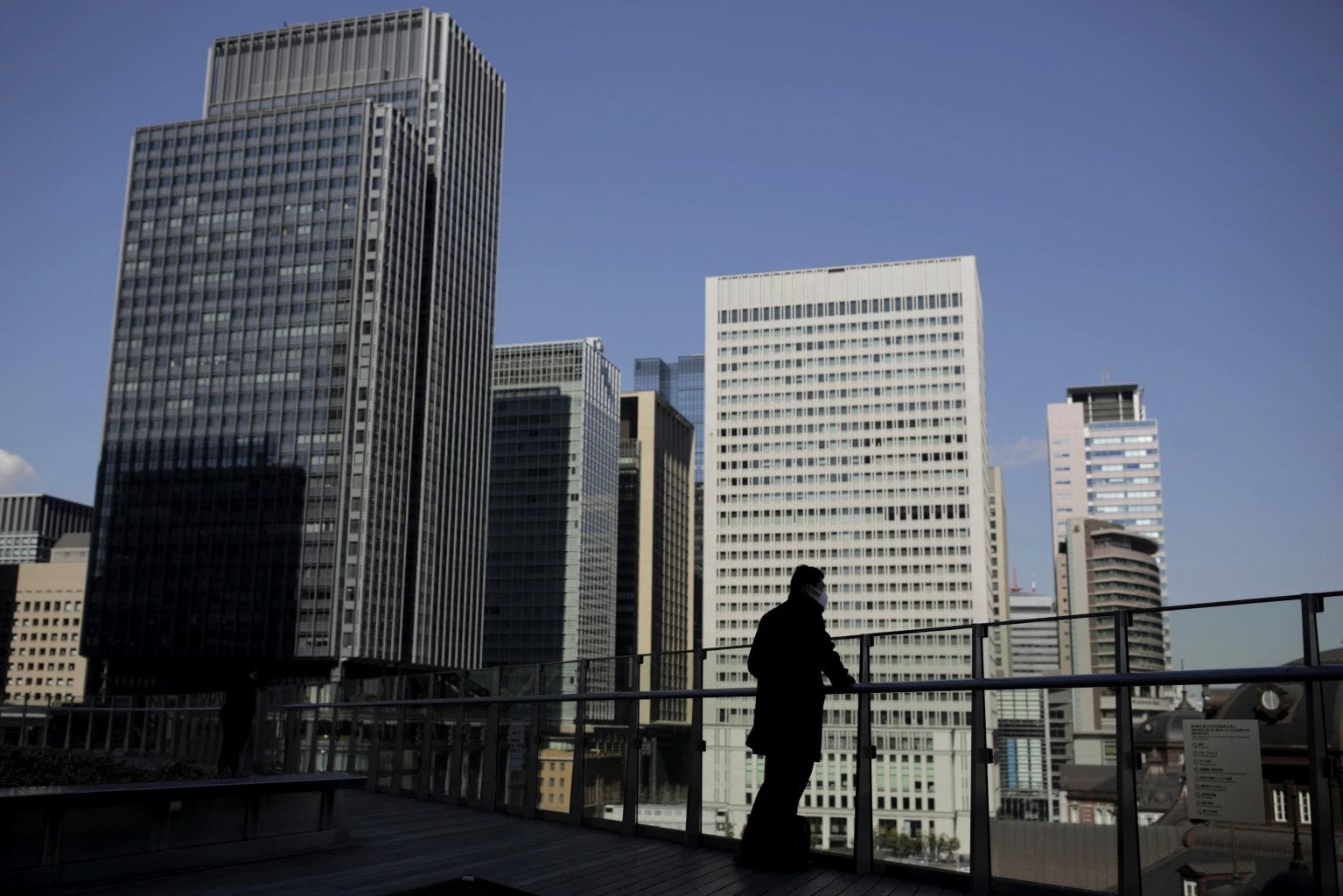
Average condo prices continue to rise due to increasing construction costs and labor shortages.
The average price of new condominiums in Japan reached a record high for the eighth consecutive year in 2024, driven by rising construction material costs and labor shortages, according to data from the Real Estate Economic Institute.
The national average price increased by 2.9 percent from the previous year to 60.82 million yen per unit.
In Tokyo and its three neighboring prefectures, the average price declined by 3.5 percent to 78.2 million yen following an influx of high-priced units in 2023.
In contrast, condominium prices surged in Osaka and surrounding areas, where the average price rose by 14.8 percent to 53.57 million yen.
Regional cities also saw significant increases, with Fukuoka recording a 40.1 percent jump to 55.98 million yen, Hiroshima rising by 31.8 percent to 53.72 million yen, and Sendai increasing by 27.2 percent to 58.9 million yen.
Despite the price surge, the number of new condominiums available for sale nationwide declined by 8.6 percent to 59,467 units, marking the first time in four years that supply fell below 60,000 units.
An official from the Real Estate Economic Institute attributed the decline in supply to labor shortages, particularly in regional areas, following the introduction of stricter overtime regulations for construction workers in April 2024.
The institute predicts that the nationwide average price of new condominiums will continue to rise in 2025, particularly in downtown areas where high-end developments remain in demand.
The national average price increased by 2.9 percent from the previous year to 60.82 million yen per unit.
In Tokyo and its three neighboring prefectures, the average price declined by 3.5 percent to 78.2 million yen following an influx of high-priced units in 2023.
In contrast, condominium prices surged in Osaka and surrounding areas, where the average price rose by 14.8 percent to 53.57 million yen.
Regional cities also saw significant increases, with Fukuoka recording a 40.1 percent jump to 55.98 million yen, Hiroshima rising by 31.8 percent to 53.72 million yen, and Sendai increasing by 27.2 percent to 58.9 million yen.
Despite the price surge, the number of new condominiums available for sale nationwide declined by 8.6 percent to 59,467 units, marking the first time in four years that supply fell below 60,000 units.
An official from the Real Estate Economic Institute attributed the decline in supply to labor shortages, particularly in regional areas, following the introduction of stricter overtime regulations for construction workers in April 2024.
The institute predicts that the nationwide average price of new condominiums will continue to rise in 2025, particularly in downtown areas where high-end developments remain in demand.