President Prabowo Subianto and Indian Prime Minister Narendra Modi agreed to accelerate cross-border digital payment systems and expand cooperation in technology, energy, and supply chains, reinforcing economic ties between Southeast Asia and South Asia.
Record-breaking temperatures and rising mortality rates are forcing a debate over the necessity of cooling in a changing climate.
As heatwaves become an annual fixture across the European continent, a profound cultural and political debate is emerging regarding the use of air conditioning.
For decades, much of Europe relied on traditional architecture designed to retain warmth during winter, but as temperatures now frequently exceed 40 degrees Celsius, many residents find themselves trapped in buildings that function more like ovens than shelters.
The scale of the recent heatwave was unprecedented, with record-breaking temperatures reported from the United Kingdom and Sweden to Spain and the Czech Republic.
The human cost has been significant; estimates suggest over 200,000 deaths across the continent in the last four years, primarily among the elderly and homeless populations.
In just three nations—France, Belgium, and the Netherlands—more than 3,700 deaths were recorded during the late June heatwave alone.
Despite this, widespread air conditioning remains rare in Western Europe, with only about 20 percent of households equipped with cooling units, compared to 90 percent in the United States and Japan.
The resistance to cooling is driven by several complex factors.
Economically, high energy prices and a persistent energy crisis make the cost of running AC units a heavy burden for many families.
Environmentally, there is a recognized paradox: while air conditioning provides relief, the gases emitted by these units can accelerate global warming.
Furthermore, the bureaucratic hurdles of installing modern infrastructure in historic European buildings—often involving strict preservation committees—can be as daunting as the heat itself.
However, the market is shifting rapidly under the pressure of extreme weather.
Retailers like Carrefour have reported selling approximately 30,000 air conditioning units per day during peak heat, and manufacturers such as Samsung and LG are seeing sales increases of hundreds of percent.
In some regions, the demand has led to visible social friction, with videos surfacing of heated disputes in electronics stores.
The debate has also become deeply political.
In France, candidates have offered opposing visions: far-right candidate Marine Le Pen has promised air conditioning reform, while far-left candidate Jean-Luc Mélenchon has argued against further installations due to environmental harm.
While Italy and Spain have seen higher adoption rates—with 50 percent and over 40 percent of households respectively—even cooler nations like Germany and England are seeing a slow rise in demand.
As the continent adapts, the impact is being felt in architecture and labor productivity.
Many businesses are now adjusting working hours to avoid the midday heat, and architects are increasingly focused on providing natural shade.
As projections suggest that the number of AC units in European homes could double by 2050, the continent stands at a crossroads between preserving its environmental values and ensuring public safety in an era of rising temperatures.
For decades, much of Europe relied on traditional architecture designed to retain warmth during winter, but as temperatures now frequently exceed 40 degrees Celsius, many residents find themselves trapped in buildings that function more like ovens than shelters.
The scale of the recent heatwave was unprecedented, with record-breaking temperatures reported from the United Kingdom and Sweden to Spain and the Czech Republic.
The human cost has been significant; estimates suggest over 200,000 deaths across the continent in the last four years, primarily among the elderly and homeless populations.
In just three nations—France, Belgium, and the Netherlands—more than 3,700 deaths were recorded during the late June heatwave alone.
Despite this, widespread air conditioning remains rare in Western Europe, with only about 20 percent of households equipped with cooling units, compared to 90 percent in the United States and Japan.
The resistance to cooling is driven by several complex factors.
Economically, high energy prices and a persistent energy crisis make the cost of running AC units a heavy burden for many families.
Environmentally, there is a recognized paradox: while air conditioning provides relief, the gases emitted by these units can accelerate global warming.
Furthermore, the bureaucratic hurdles of installing modern infrastructure in historic European buildings—often involving strict preservation committees—can be as daunting as the heat itself.
However, the market is shifting rapidly under the pressure of extreme weather.
Retailers like Carrefour have reported selling approximately 30,000 air conditioning units per day during peak heat, and manufacturers such as Samsung and LG are seeing sales increases of hundreds of percent.
In some regions, the demand has led to visible social friction, with videos surfacing of heated disputes in electronics stores.
The debate has also become deeply political.
In France, candidates have offered opposing visions: far-right candidate Marine Le Pen has promised air conditioning reform, while far-left candidate Jean-Luc Mélenchon has argued against further installations due to environmental harm.
While Italy and Spain have seen higher adoption rates—with 50 percent and over 40 percent of households respectively—even cooler nations like Germany and England are seeing a slow rise in demand.
As the continent adapts, the impact is being felt in architecture and labor productivity.
Many businesses are now adjusting working hours to avoid the midday heat, and architects are increasingly focused on providing natural shade.
As projections suggest that the number of AC units in European homes could double by 2050, the continent stands at a crossroads between preserving its environmental values and ensuring public safety in an era of rising temperatures.
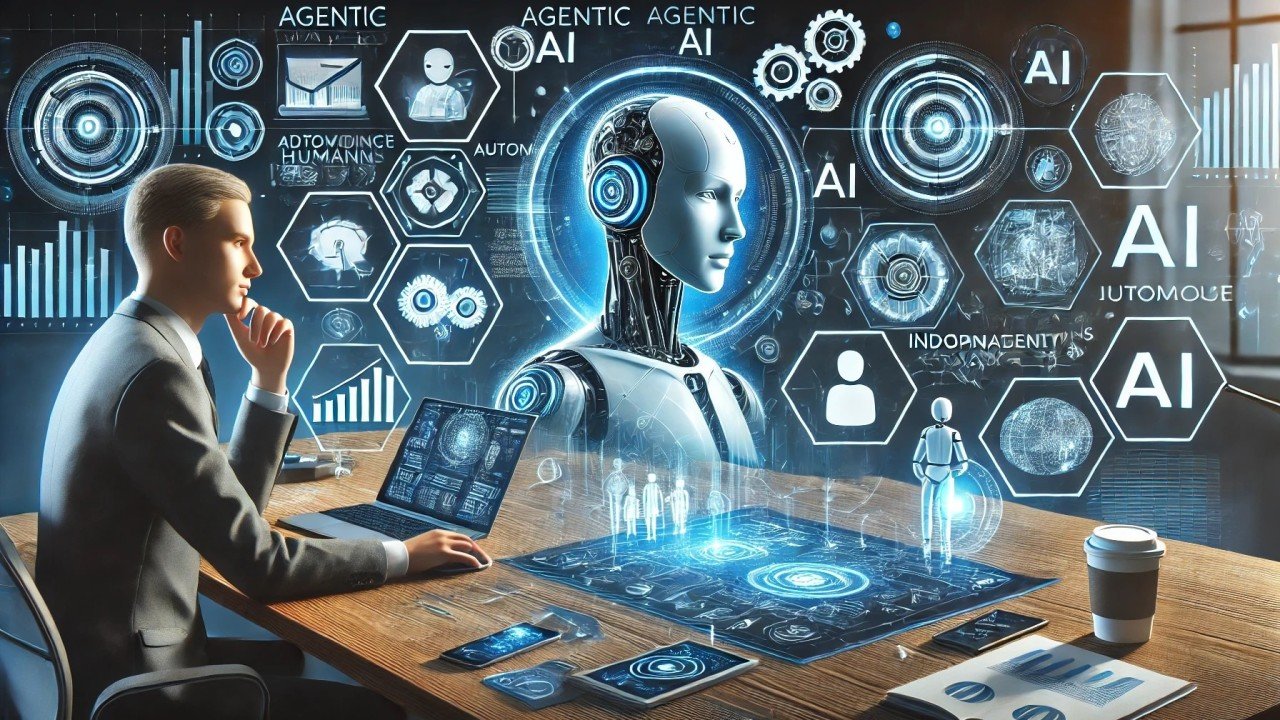
The expansion of Claude Cowork to web and mobile platforms transitions computing demands away from local hardware, intensifying the enterprise software market race
Anthropic has fundamentally altered the operational structure of its enterprise automation ecosystem by deploying Claude Cowork across web browsers and mobile applications.
The update marks a critical transition from local-machine processing to a cloud-based infrastructure layer designed for distributed corporate environments.
Claude Cowork, which functions as an autonomous agent capable of managing multi-step knowledge-work tasks, was previously constrained entirely to the company’s native desktop application, restricting its utility to a single stationary machine.
By relocating the agent's core execution loop to the cloud, the platform allows automation sessions to persist continuously even when a user's physical hardware is powered down or disconnected from the internet.
What is confirmed is that the platform's architectural shift is engineered to target mainstream corporate workflows rather than software engineering tasks.
Corporate telemetry compiled by the developer indicates that over ninety percent of active engagement with the software occurs outside of programming environments, with business operations and structured content creation accounting for roughly half of all total utility.
The agent operates by ingesting high-level, multi-step directives from a user, autonomously navigating linked enterprise files, calendars, electronic mail, and corporate communication platforms, and synthesizing the accumulated data into structured deliverables.
Under the newly implemented cloud architecture, users can initiate an intensive data-mining task or financial reconciliation process from a laptop, close the device, and monitor real-time execution or receive automated approval alerts directly through a mobile phone interface.
The strategic realignment intensifies an escalating platform race among major artificial intelligence developers seeking to capture the non-technical workplace automation sector.
Unlike conventional conversational chatbots that demand continuous prompt-and-response interaction, agentic tools compete by executing prolonged, independent operational loops that require human intervention only when navigating highly ambiguous edge cases or requiring final output validation.
Moving these complex background pipelines to remote servers mitigates the high local compute overhead and aggressive battery drain that previously burdened consumer hardware during long tasks.
However, this transition forces a operational trade-off, as the newly launched web and mobile iterations lack direct access to local machine directories, meaning the desktop application remains necessary for workflows tied strictly to on-premise hardware storage.
To manage server capacity and accelerate market adoption during the initial rollout phase, the developer has restructured its software subscription limits.
Beta access to the cloud-enabled web and mobile interfaces is deploying immediately to top-tier enterprise and consumer subscribers, with a phased distribution slated for lower paid tiers over the subsequent weeks.
To incentivize corporate teams to embed the autonomous workflow layer into their daily operations, the company is doubling standard message and processing limits for its premium tiers through August fifth.
This expansion sets the stage for wider deployment across standard consumer tiers as the technology transitions out of its research preview phase.
The update marks a critical transition from local-machine processing to a cloud-based infrastructure layer designed for distributed corporate environments.
Claude Cowork, which functions as an autonomous agent capable of managing multi-step knowledge-work tasks, was previously constrained entirely to the company’s native desktop application, restricting its utility to a single stationary machine.
By relocating the agent's core execution loop to the cloud, the platform allows automation sessions to persist continuously even when a user's physical hardware is powered down or disconnected from the internet.
What is confirmed is that the platform's architectural shift is engineered to target mainstream corporate workflows rather than software engineering tasks.
Corporate telemetry compiled by the developer indicates that over ninety percent of active engagement with the software occurs outside of programming environments, with business operations and structured content creation accounting for roughly half of all total utility.
The agent operates by ingesting high-level, multi-step directives from a user, autonomously navigating linked enterprise files, calendars, electronic mail, and corporate communication platforms, and synthesizing the accumulated data into structured deliverables.
Under the newly implemented cloud architecture, users can initiate an intensive data-mining task or financial reconciliation process from a laptop, close the device, and monitor real-time execution or receive automated approval alerts directly through a mobile phone interface.
The strategic realignment intensifies an escalating platform race among major artificial intelligence developers seeking to capture the non-technical workplace automation sector.
Unlike conventional conversational chatbots that demand continuous prompt-and-response interaction, agentic tools compete by executing prolonged, independent operational loops that require human intervention only when navigating highly ambiguous edge cases or requiring final output validation.
Moving these complex background pipelines to remote servers mitigates the high local compute overhead and aggressive battery drain that previously burdened consumer hardware during long tasks.
However, this transition forces a operational trade-off, as the newly launched web and mobile iterations lack direct access to local machine directories, meaning the desktop application remains necessary for workflows tied strictly to on-premise hardware storage.
To manage server capacity and accelerate market adoption during the initial rollout phase, the developer has restructured its software subscription limits.
Beta access to the cloud-enabled web and mobile interfaces is deploying immediately to top-tier enterprise and consumer subscribers, with a phased distribution slated for lower paid tiers over the subsequent weeks.
To incentivize corporate teams to embed the autonomous workflow layer into their daily operations, the company is doubling standard message and processing limits for its premium tiers through August fifth.
This expansion sets the stage for wider deployment across standard consumer tiers as the technology transitions out of its research preview phase.

The tech giant rolls out minor maintenance updates for current platforms while simultaneously accelerating next-generation AI software testing
Apple has distributed the fourth developer and public preview versions of its current-generation operating systems, signaling the final phase of its annual software maintenance cycle.
The updates span the company’s primary ecosystem, encompassing iOS twenty-six point six, iPadOS twenty-six point six, macOS Tahoe twenty-six point six, watchOS twenty-six point six, and tvOS twenty-six point six.
Arriving roughly one week after the previous testing iteration, these builds represent the refinement of existing software platforms before they are locked into stable public configurations later this month.
What is confirmed is that this specific testing phase prioritizes stabilization and security over structural innovation.
Because the company allocates the vast majority of its engineering resources toward its next major software generation, the current revisions deliver minimal user-facing modifications.
Code analysis within the mobile preview has exposed a few minor operational adjustments, such as system alerts that notify a user if they have exceeded thousands of blocked contacts, alongside foundational traces of an upcoming anti-snatching mechanism engineered to lock an iPhone instantly if it is forcefully taken from a user's hand.
This deliberate focus on minor optimization underscores a rigid dual-track development strategy.
While these maintenance updates undergo final polishing for an anticipated public release in late July, Apple is running concurrent, far more aggressive testing cycles for its next major platforms, including iOS twenty-seven and macOS Golden Gate.
The upcoming autumn updates carry immense strategic weight for the consumer electronics firm, introduces complex generative artificial intelligence features, system-wide architectural overhauls, and a completely rebuilt virtual assistant framework.
For enterprise users and the broader consumer base, the deployment of these late-stage revisions ensures that current hardware remains stable and secure through the impending platform transition.
System administrators and developers can install the preview builds directly through standard system setting panels on enrolled devices.
Following the completion of this final evaluation cycle, Apple will shift entirely to its next-generation software suite to prepare for its traditional autumn hardware deployment schedule.
The updates span the company’s primary ecosystem, encompassing iOS twenty-six point six, iPadOS twenty-six point six, macOS Tahoe twenty-six point six, watchOS twenty-six point six, and tvOS twenty-six point six.
Arriving roughly one week after the previous testing iteration, these builds represent the refinement of existing software platforms before they are locked into stable public configurations later this month.
What is confirmed is that this specific testing phase prioritizes stabilization and security over structural innovation.
Because the company allocates the vast majority of its engineering resources toward its next major software generation, the current revisions deliver minimal user-facing modifications.
Code analysis within the mobile preview has exposed a few minor operational adjustments, such as system alerts that notify a user if they have exceeded thousands of blocked contacts, alongside foundational traces of an upcoming anti-snatching mechanism engineered to lock an iPhone instantly if it is forcefully taken from a user's hand.
This deliberate focus on minor optimization underscores a rigid dual-track development strategy.
While these maintenance updates undergo final polishing for an anticipated public release in late July, Apple is running concurrent, far more aggressive testing cycles for its next major platforms, including iOS twenty-seven and macOS Golden Gate.
The upcoming autumn updates carry immense strategic weight for the consumer electronics firm, introduces complex generative artificial intelligence features, system-wide architectural overhauls, and a completely rebuilt virtual assistant framework.
For enterprise users and the broader consumer base, the deployment of these late-stage revisions ensures that current hardware remains stable and secure through the impending platform transition.
System administrators and developers can install the preview builds directly through standard system setting panels on enrolled devices.
Following the completion of this final evaluation cycle, Apple will shift entirely to its next-generation software suite to prepare for its traditional autumn hardware deployment schedule.

US-Iran military exchanges, Trump’s NATO summit arrival, and the resignation of UK Prime Minister Keir Starmer dominate world headlines.
The global political landscape is facing unprecedented volatility today as military tensions between the United States and Iran reach a breaking point.
Following recent attacks on commercial shipping, the US has launched strikes against Iran and reimposed heavy sanctions.
In retaliation, Iran has struck three vessels near the Strait of Hormuz, even as President Trump arrives for the NATO summit.
Amidst this high-stakes diplomacy, an agreement signed between the two nations has ignited intense political backlash in Washington, with critics labeling it a catastrophic failure.
In Europe, the United Kingdom is reeling from the sudden resignation of Prime Minister Keir Starmer, leaving the nation in a state of leadership uncertainty.
Meanwhile, in France, Marine Le Pen has announced her candidacy for the presidency despite recent legal setbacks.
Tensions also rise in Eastern Europe as Russian strikes continue to hammer Kyiv, even as reports emerge of a 90-minute 'businesslike' call between Vladimir Putin and Donald Trump.
Across the Americas, political shifts are equally dramatic.
In Colombia, the far-right populist de la Espriella is leading the race for the presidency following a preliminary count in a razor-tight runoff.
Meanwhile, Cuba faces a nationwide blackout as US pressure campaigns continue to impact the island's tourism and infrastructure.
In Asia and the Pacific, China has sparked alarm among neighboring nations with a rare test launch of a submarine-launched ballistic missile.
In the Pacific territories, Super Typhoon Bavi is battering US military bases in Guam, while in Thailand, a tragic accident involving an eleven-year-old driver has claimed the lives of eight monks.
From humanitarian crises in Gaza to archaeological discoveries in Egypt, the world remains in a state of profound transition.
Following recent attacks on commercial shipping, the US has launched strikes against Iran and reimposed heavy sanctions.
In retaliation, Iran has struck three vessels near the Strait of Hormuz, even as President Trump arrives for the NATO summit.
Amidst this high-stakes diplomacy, an agreement signed between the two nations has ignited intense political backlash in Washington, with critics labeling it a catastrophic failure.
In Europe, the United Kingdom is reeling from the sudden resignation of Prime Minister Keir Starmer, leaving the nation in a state of leadership uncertainty.
Meanwhile, in France, Marine Le Pen has announced her candidacy for the presidency despite recent legal setbacks.
Tensions also rise in Eastern Europe as Russian strikes continue to hammer Kyiv, even as reports emerge of a 90-minute 'businesslike' call between Vladimir Putin and Donald Trump.
Across the Americas, political shifts are equally dramatic.
In Colombia, the far-right populist de la Espriella is leading the race for the presidency following a preliminary count in a razor-tight runoff.
Meanwhile, Cuba faces a nationwide blackout as US pressure campaigns continue to impact the island's tourism and infrastructure.
In Asia and the Pacific, China has sparked alarm among neighboring nations with a rare test launch of a submarine-launched ballistic missile.
In the Pacific territories, Super Typhoon Bavi is battering US military bases in Guam, while in Thailand, a tragic accident involving an eleven-year-old driver has claimed the lives of eight monks.
From humanitarian crises in Gaza to archaeological discoveries in Egypt, the world remains in a state of profound transition.
Vietnam's General Statistics Office reported that realized foreign direct investment reached thirteen billion United States dollars in the first half of the year, driven largely by Singaporean and South Korean investment in electronics manufacturing, industrial processing and real estate.
Thailand's Board of Investment confirmed more than one hundred and thirty-seven billion baht in investment across one hundred and ninety-eight projects, expanding the country's automotive industry beyond vehicle assembly into battery production, key components and nationwide charging infrastructure.
Europe's Growing Struggle with Extreme Heat and Air Conditioning
Anthropic Reengineers Agentic Architecture to Shift Autonomous Workplace Automation to the Cloud
Apple Advances Late-Stage Operating Systems with Fourth Beta Deployments
Global Crisis Alert: Escalating Middle East Tensions and UK Political Upheaval
"A New Era of Testing": The Rare Launch of a Missile from a Chinese Nuclear Submarine - That Could Reach U.S. Soil
Japanese Technology Firm Fujitsu Launches Advanced Artificial Intelligence Tool for Corporate Disclosures
South Africa Officially Launches Nationwide Campaign for Highly Contested Local Government Elections
United Kingdom Commits Additional Funding for Unexploded Ordnance Clearance in Laos
Singapore Announces Stringent New Greenhouse Gas Regulations for Commercial Cooling Systems
Cambodia and Thailand Hold High-Level Border Security Talks at United Nations Headquarters
Myanmar Military Government and China Sign Major Agreement to Upgrade Media and Cultural Cooperation
Knife Attack at Swiss Train Station Leaves Three Injured in Suspected Act of Domestic Terrorism
Transnational Extortion Gang Threatens Canadian Police With Army of One Thousand Armed Operatives
Australia Imposes Forty-Two-Day Quarantine on Cruise Ship Passengers Following Deadly Hantavirus Outbreak
International Monetary Fund Unlocks Seven Hundred Million United States Dollars for Sri Lanka Following Economic Reforms
China and Canada Foreign Ministers Meet in Ottawa in Effort to Stabilize Strained Diplomatic Ties
Indonesia Demands Urgent United Nations Security Council Reform Amid Escalating Global Conflicts
Extreme Weather Patterns Trigger Severe Drought in Madagascar and Destructive Flooding in East Africa
Indian State of Karnataka Faces Political Upheaval as Chief Minister Siddaramaiah Abruptly Resigns
Philippines and Japan Reaffirm Defense Ties as Crucial for Indo-Pacific Regional Stability
Norway Joins French Nuclear Deterrence Initiative in Major Shift for European Security Architecture
Global Critical Mineral Alliances Expand as Western Nations Move to Counter Chinese Supply Dominance
United States Imposes Fifty Percent Tariffs on Mexican Steel and Aluminum Ahead of Trade Pact Review
European Union and China Head Toward Major Trade Conflict Over Clean Technology Exports
United States Economic Growth Severely Downgraded to One Point Six Percent as Stagflation Fears Mount
World Health Organization Warns Central African Ebola Epidemic is Outpacing Containment Efforts
United States Treasury Department Conditions Sanctions Relief on Reopening of the Strait of Hormuz
Iranian Air Defenses Intercept and Destroy United States Military Drone Over Bushehr Province
Iranian Armed Forces Launch Ballistic Missiles Toward Unspecified Targets Prompting Regional Condemnation
United Nations Secretary-General Warns Global Order Facing Highest Level of Conflict Since 1945
Israel Issues Sweeping Evacuation Orders in Southern Lebanon Amid Intensified Hezbollah Conflict
Russia Announces Systemic Military Strikes Targeting Ukrainian Defense and Energy Infrastructure
United States and Iranian Negotiators Reach Draft Agreement to Extend Ceasefire and Resume Nuclear Talks
United Nations Security Council Deeply Divided Over United States Capture of Venezuelan President
US and Iran Exchange Direct Military Strikes Amid Fragile Gulf Ceasefire
World Health Organization Warns of Catastrophic Ebola Outbreak in DR Congo
Russia Threatens New Wave of Strikes on Ukrainian Infrastructure and Embassies
Scientists Warn Atlantic Ocean Currents Could Collapse Faster Than Projected
Anthropic Reaches $900 Billion Valuation in Historic AI Funding Round
Washington Imposes Crippling Sanctions on Iranian Maritime Authority
Japan and the Philippines Initiate Strategic Intelligence-Sharing Pact
Microsoft Deploys Autonomous Computer-Using AI Agents to Global Markets
Anthropic Secures $45 Billion Compute Infrastructure Agreement With SpaceX
U.S. Director of National Intelligence Resigns Amid Administration Shakeup
Micron Technology Crosses Trillion-Dollar Valuation Amid Unprecedented Hardware Demand
Canada and Germany Finalize Historic Long-Term LNG Export Agreement
China Expands International Travel Restrictions on Domestic AI Researchers
Japan Approves Sweeping Overhaul of National Intelligence Apparatus
Global Airlines Scramble Logistics as Middle East Airspace Remains Fractured
Japan's Naphtha Imports Plunge 47 Percent Amid Strait of Hormuz Closure