Legislative Council votes 71 to 14 against limited legal recognition for same-sex couples, leaving the government under pressure to meet a court deadline
Hong Kong’s Legislative Council has voted down a government-proposed bill that would have offered limited legal recognition for same-sex couples, marking a significant setback for LGBTQ rights in the city.
The legislation, rejected by 71 votes to 14 with one abstention, was introduced in response to a 2023 Court of Final Appeal ruling that required the government to create a framework for recognizing same-sex partnerships by October 2025.
The proposed Registration of Same-Sex Partnerships Bill sought to grant couples certain civil rights, including hospital visitation, access to medical information, authority over organ donation, and decision-making in funeral arrangements.
The measure would not have legalized same-sex marriage but was intended to bring Hong Kong into compliance with the court’s directive.
Opponents, including pro-Beijing legislators and conservative religious figures, argued that the bill undermined traditional Chinese family values and that society lacked consensus on the issue.
Some lawmakers warned it could open the door to full marriage equality, which the government has said is not currently under consideration.
Following the vote, the government expressed disappointment but said it would respect the outcome and explore alternative administrative options to fulfill its obligations under the court order.
Rights advocates described the veto as a “missed opportunity” for Hong Kong to demonstrate inclusivity and align with global standards of equality.
Surveys from the Chinese University of Hong Kong have found that around 60 percent of residents support same-sex marriage, indicating growing acceptance among the public despite political resistance.
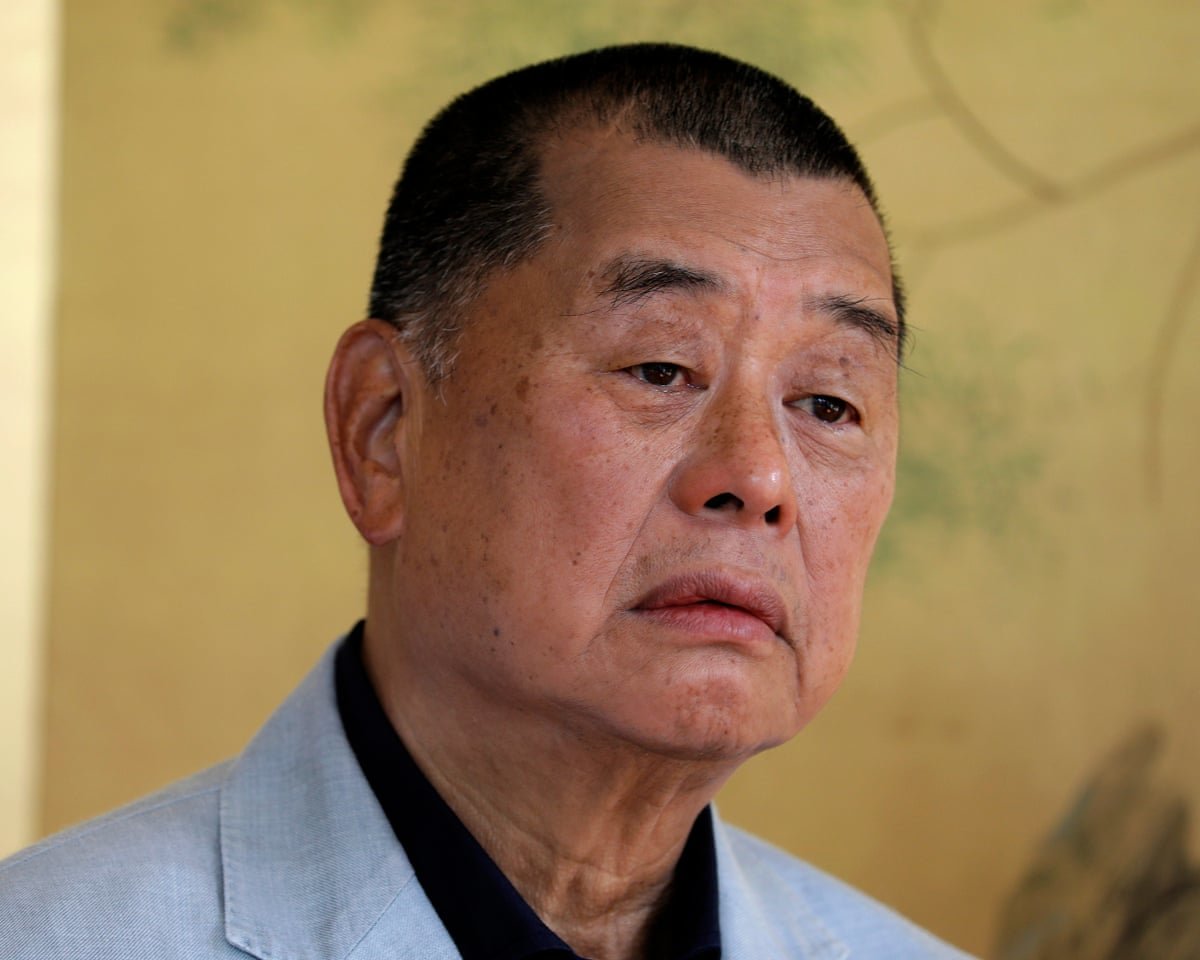
Activist Jimmy Sham, whose legal case prompted the original ruling, said the rejection was regrettable but vowed to continue pressing for change.
Legal analysts warned that the government must still comply with the court’s timeline, raising the possibility of renewed judicial intervention if no viable framework is introduced.
The legislation, rejected by 71 votes to 14 with one abstention, was introduced in response to a 2023 Court of Final Appeal ruling that required the government to create a framework for recognizing same-sex partnerships by October 2025.
The proposed Registration of Same-Sex Partnerships Bill sought to grant couples certain civil rights, including hospital visitation, access to medical information, authority over organ donation, and decision-making in funeral arrangements.
The measure would not have legalized same-sex marriage but was intended to bring Hong Kong into compliance with the court’s directive.
Opponents, including pro-Beijing legislators and conservative religious figures, argued that the bill undermined traditional Chinese family values and that society lacked consensus on the issue.
Some lawmakers warned it could open the door to full marriage equality, which the government has said is not currently under consideration.
Following the vote, the government expressed disappointment but said it would respect the outcome and explore alternative administrative options to fulfill its obligations under the court order.
Rights advocates described the veto as a “missed opportunity” for Hong Kong to demonstrate inclusivity and align with global standards of equality.
Surveys from the Chinese University of Hong Kong have found that around 60 percent of residents support same-sex marriage, indicating growing acceptance among the public despite political resistance.
Activist Jimmy Sham, whose legal case prompted the original ruling, said the rejection was regrettable but vowed to continue pressing for change.
Legal analysts warned that the government must still comply with the court’s timeline, raising the possibility of renewed judicial intervention if no viable framework is introduced.