Chinese leaders publicly vow support for Hong Kong’s status as an international financial hub at the Global Financial Leaders’ Investment Summit
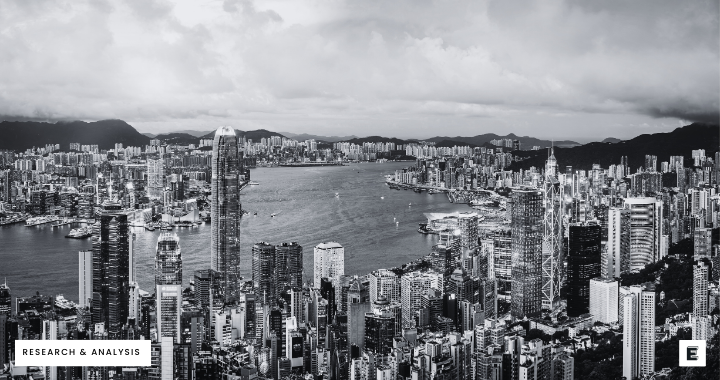
Chinese Vice-Premier He Lifeng delivered a strong endorsement of Hong Kong’s role as a global financial centre during the Global Financial Leaders’ Investment Summit, held in the city under the aegis of the Hong Kong Monetary Authority.
He urged Hong Kong to seize openings created in China’s current five-year plan and reaffirmed the central government’s backing of the “one country, two systems” framework as a foundation for the city’s ongoing international financial integration.
At the event, Hong Kong Chief Executive John Lee Ka‑chiu emphasised that the city offers global investors and businesses “certainty and clarity” — enabling reach to mainland China markets while maintaining international connectivity.
He described the city as a bridge between global finance and the Chinese economy and highlighted its potential to provide diversified asset exposure in a volatile geopolitical environment.
The summit gathered approximately three hundred financial-industry leaders, including more than one hundred chairmen or chief executives of major institutions.
Beijing underscored its commitment by dispatching top financial regulators, who pledged to expand mainland-Hong Kong cooperation in areas such as overseas listings, bond issuance and stock-connect channels.
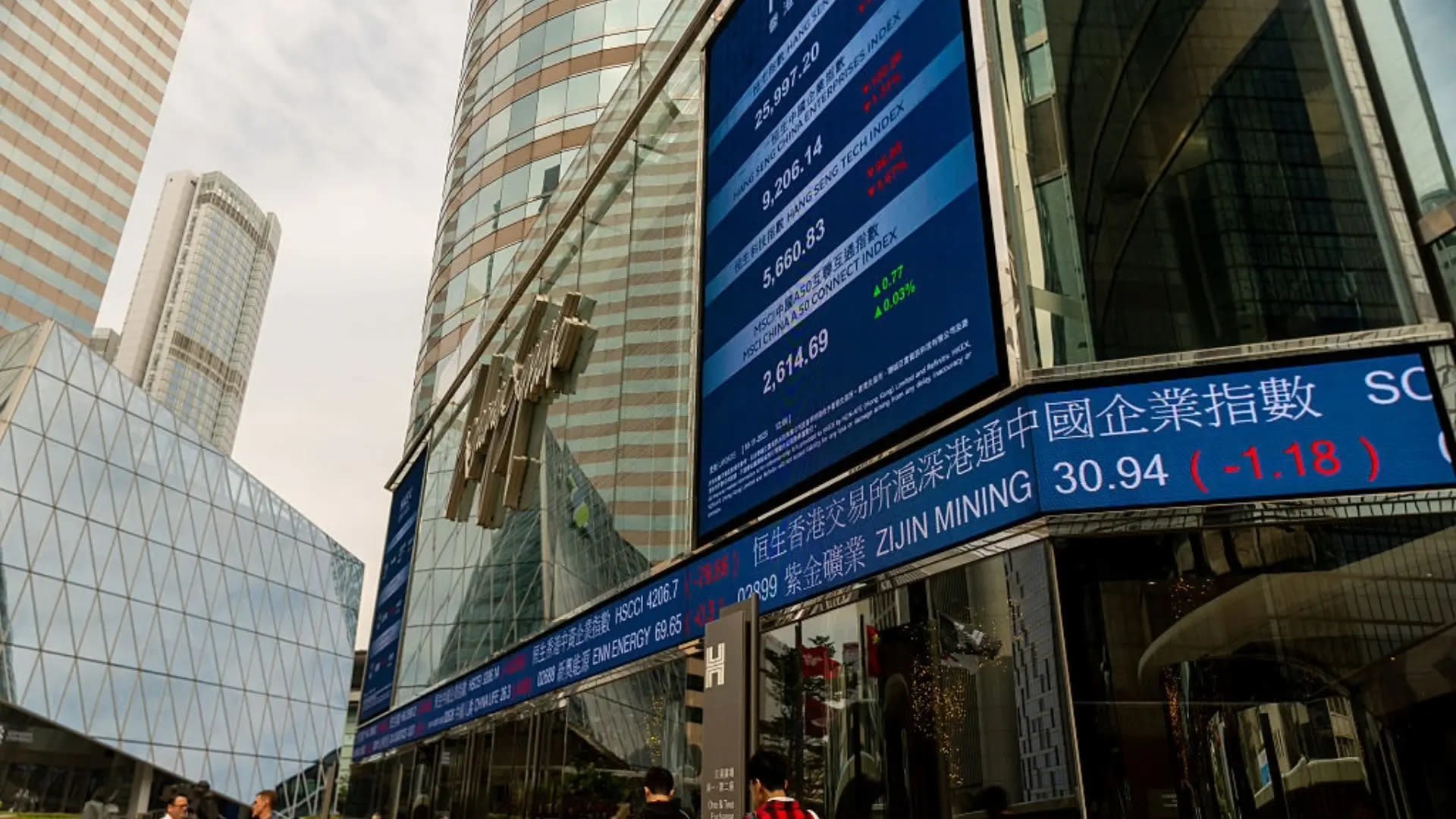
In a notable move, the China Securities Regulatory Commission signalled support for a renminbi-denominated counter under the mainland-Hong Kong Stock Connect programme, strengthening offshore yuan infrastructure and enhancing Hong Kong’s role in the international financial system.
With China’s economic statecraft increasingly entwined with Hong Kong’s positioning, the summit showed the city navigating competitive global banking landscapes while drawing on Beijing’s institutional backing.
Investors will now watch how this political resolve translates into tangible reforms, market access and the leveraging of Hong Kong’s unique gateway status between East and West.
He urged Hong Kong to seize openings created in China’s current five-year plan and reaffirmed the central government’s backing of the “one country, two systems” framework as a foundation for the city’s ongoing international financial integration.
At the event, Hong Kong Chief Executive John Lee Ka‑chiu emphasised that the city offers global investors and businesses “certainty and clarity” — enabling reach to mainland China markets while maintaining international connectivity.
He described the city as a bridge between global finance and the Chinese economy and highlighted its potential to provide diversified asset exposure in a volatile geopolitical environment.
The summit gathered approximately three hundred financial-industry leaders, including more than one hundred chairmen or chief executives of major institutions.
Beijing underscored its commitment by dispatching top financial regulators, who pledged to expand mainland-Hong Kong cooperation in areas such as overseas listings, bond issuance and stock-connect channels.
In a notable move, the China Securities Regulatory Commission signalled support for a renminbi-denominated counter under the mainland-Hong Kong Stock Connect programme, strengthening offshore yuan infrastructure and enhancing Hong Kong’s role in the international financial system.
With China’s economic statecraft increasingly entwined with Hong Kong’s positioning, the summit showed the city navigating competitive global banking landscapes while drawing on Beijing’s institutional backing.
Investors will now watch how this political resolve translates into tangible reforms, market access and the leveraging of Hong Kong’s unique gateway status between East and West.