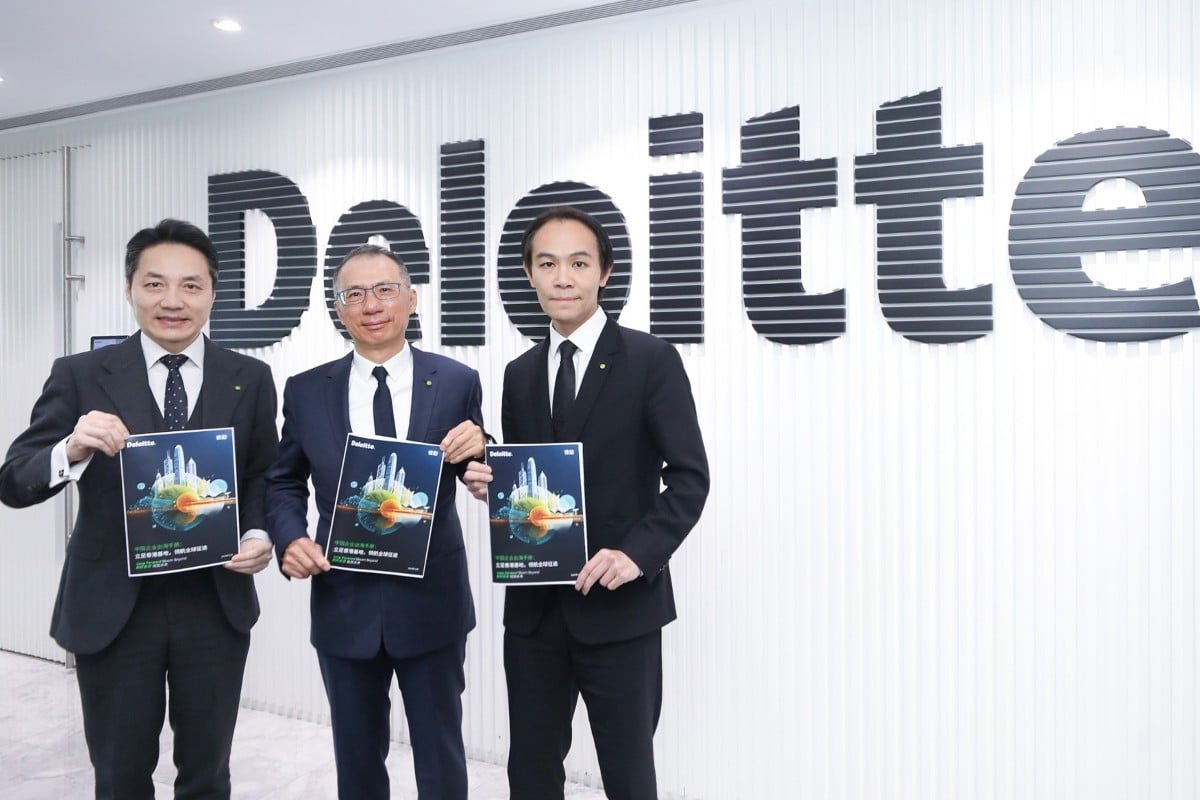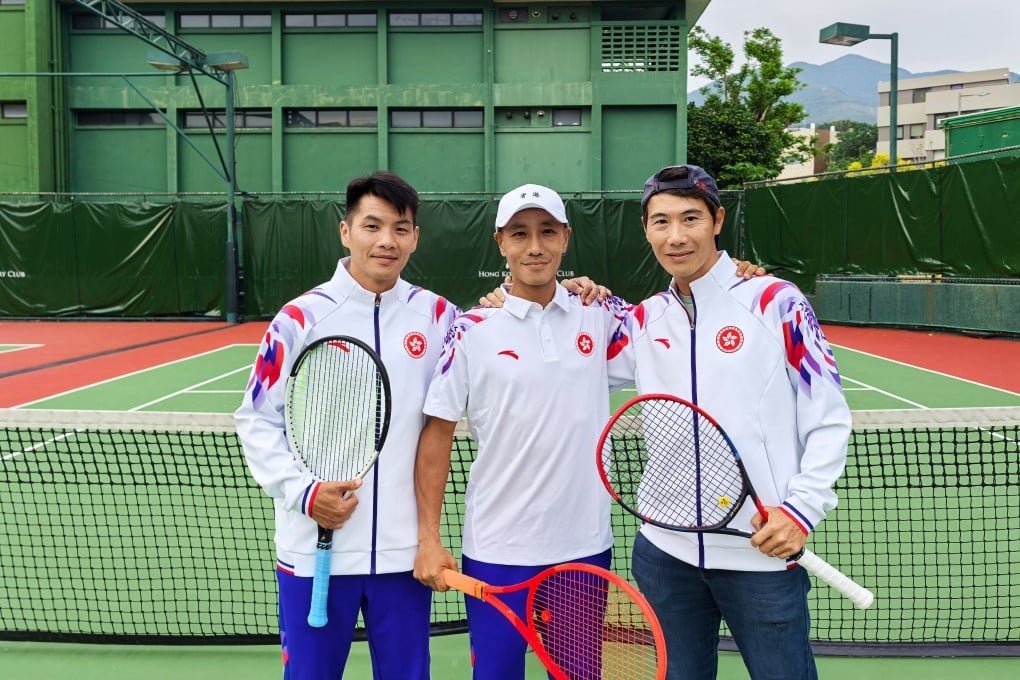
Late-bloomers David Wong, Johnny Wong and Andy Cheng will represent Hong Kong in mass-participation tennis event
David Wong Ka-chuen, Johnny Wong Koon-wah and Andy Cheng Man-nam are set to represent Hong Kong in the men’s tennis team draw of the 15th National Games of the People’s Republic of China, under the category of mass-participation events.
Their selection highlights a pathway for non-professional athletes to compete on a national stage.
Both Johnny Wong and Andy Cheng only picked up competitive tennis in their late thirties and forties.
Cheng, the eldest of the trio at 53, exemplifies the late-starter model, while Johnny Wong, previously a recreational volleyball player, began training after discovering his aptitude.
David Wong had played in his teens but paused for more than thirty years before returning to the sport.
“The reason I play now is for health,” Johnny Wong explained.
“I cannot handle the big jumps volleyball demands with age.” He added that performance fluctuates: “Maybe I had a really good week and kept winning, but this week I just cannot get into that state.” David Wong stressed the additional effort required: “Before, I did not stretch at all.
Now I have to stretch as soon as I wake up and again before going to bed just to keep my body ready for tennis, especially matches.”
The mass-participation events of the Games cover nineteen sports and are designed to offer everyday athletes the opportunity to experience national competition without preliminary rounds.
Hong Kong’s delegation to the Games will be exempted from preliminary rounds in these events.
While most media attention focuses on elite stars such as tennis prodigy Coleman Wong and Olympic fencing champion Cheung Ka-long, this trio’s trajectory offers a different narrative: one of perseverance and regional representation beyond professional rank.
Their inclusion underscores the Games’ message of “benefit ordinary people, make a healthy China.”
Hong Kong’s mass-participation athletes say they hope their participation will inspire broader public engagement in sport, and show that competitive experience is accessible even in mid-life.
Their event will take place alongside the main competition events in the Guangdong–Hong Kong–Macao Greater Bay Area from November 9–21 2025.
Their selection highlights a pathway for non-professional athletes to compete on a national stage.
Both Johnny Wong and Andy Cheng only picked up competitive tennis in their late thirties and forties.
Cheng, the eldest of the trio at 53, exemplifies the late-starter model, while Johnny Wong, previously a recreational volleyball player, began training after discovering his aptitude.
David Wong had played in his teens but paused for more than thirty years before returning to the sport.
“The reason I play now is for health,” Johnny Wong explained.
“I cannot handle the big jumps volleyball demands with age.” He added that performance fluctuates: “Maybe I had a really good week and kept winning, but this week I just cannot get into that state.” David Wong stressed the additional effort required: “Before, I did not stretch at all.
Now I have to stretch as soon as I wake up and again before going to bed just to keep my body ready for tennis, especially matches.”
The mass-participation events of the Games cover nineteen sports and are designed to offer everyday athletes the opportunity to experience national competition without preliminary rounds.
Hong Kong’s delegation to the Games will be exempted from preliminary rounds in these events.
While most media attention focuses on elite stars such as tennis prodigy Coleman Wong and Olympic fencing champion Cheung Ka-long, this trio’s trajectory offers a different narrative: one of perseverance and regional representation beyond professional rank.
Their inclusion underscores the Games’ message of “benefit ordinary people, make a healthy China.”
Hong Kong’s mass-participation athletes say they hope their participation will inspire broader public engagement in sport, and show that competitive experience is accessible even in mid-life.
Their event will take place alongside the main competition events in the Guangdong–Hong Kong–Macao Greater Bay Area from November 9–21 2025.